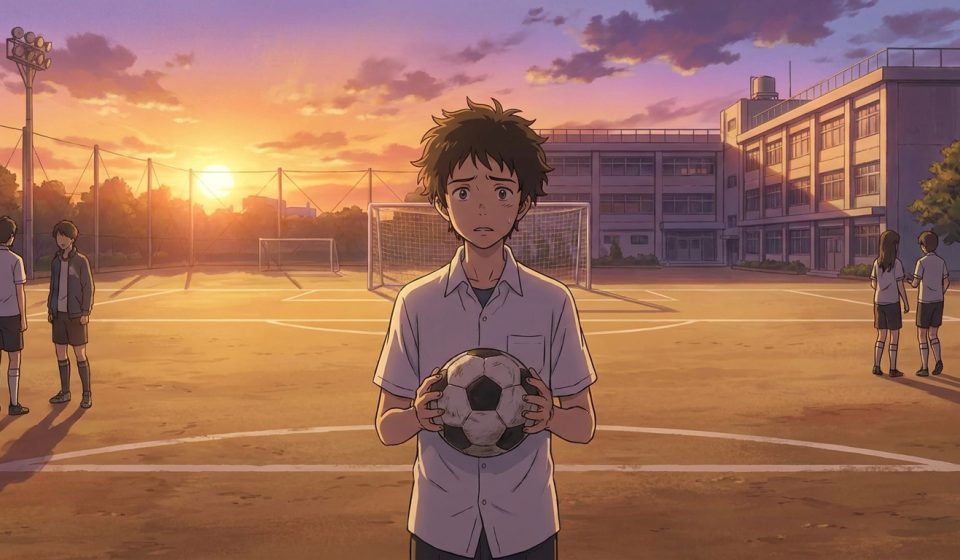

Synopsis: Blaze on the Pitch: Ogi’s Awakening
Ogi Haneda doesn’t want to be the star. He hardly talks at practice, eyes always moving past anyone who might greet him. The second-year student figures he’s safest as a “back-up” for the school’s soccer team—until fate corners him. Okay, pause here. Who hasn’t ever wanted to just hide at the back in P.E.? Yeah, that’s Ogi at the start.
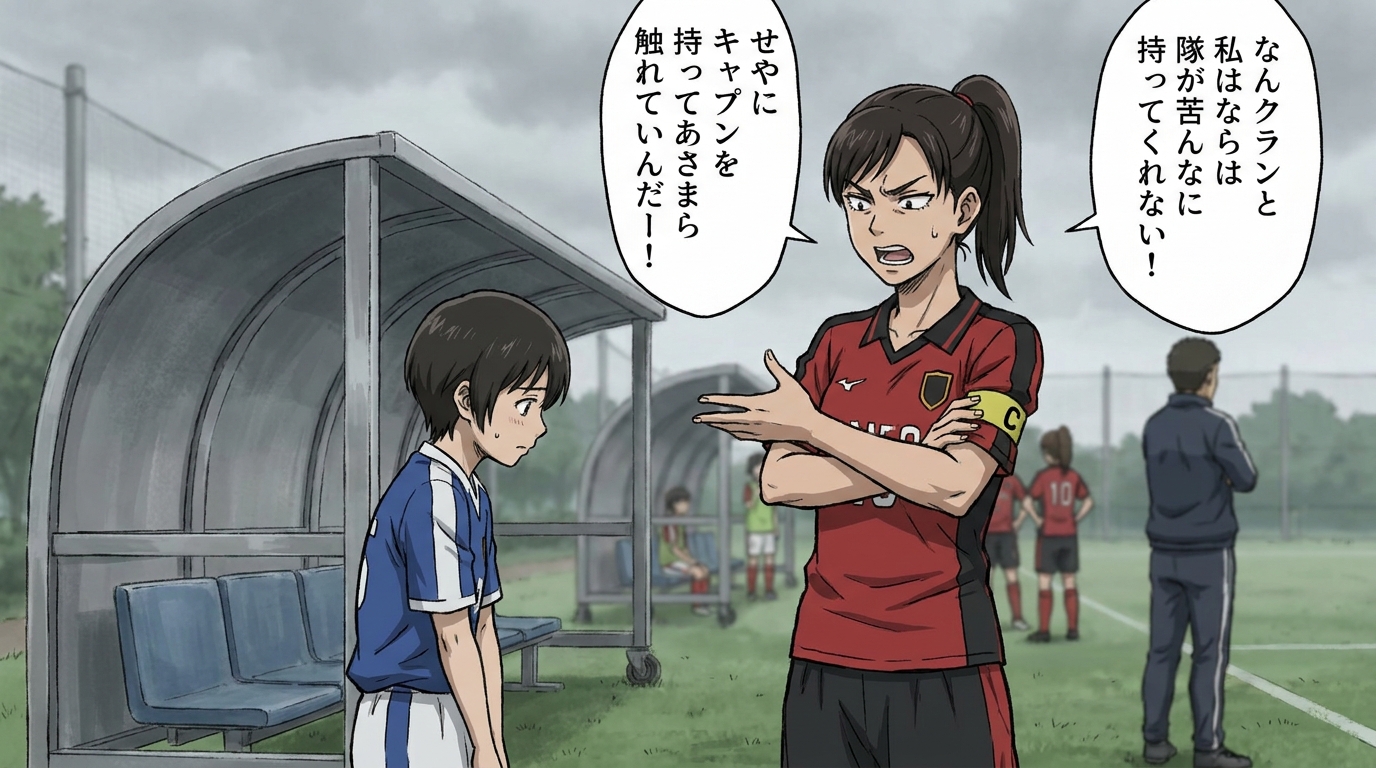
Spring finally melts the southern fields of Aorisaka High. Coach Yamada reads off his usual lines after the warm-up. “People! Don’t just drift! Commitment is the soil of victory.” Still, most of the team can’t look past tired mud beneath their feet. Only Ema, Aorisaka’s captain, phases all steam. “Reset passes only when you must,” she warns. Ema cares too much, but that’s her gift.
The story twists when Aorisaka’s ace, Tate, trips—his ankle splits under his own weight in quick scrimmage. It thunders across the field, hope cracking for everyone. Ogi finds the ball stopped at his shoe. Even he freezes. The next second, Ema stares right at him, and he feels the challenge in her words. “If you won’t shoot now, you’ll never shoot at all.” How would you hold up right then?
He stumbles and scuffs a poor kick. Everyone sees it. A tense hush lingers. That night, Ogi lies awake, replaying his miss. Next scene—it’s dusk, field empty except for Coach Yamada, and Ogi. “When you’re stuck,” says the coach, “Open your lungs. Listen to the game, then reply.” Ogi listens but feels there’s static in his head. Reader: Ever been stuck chasing what you can’t quite catch?
Ogi’s friend Minoru checks in. “Why stay so quiet? Don’t you care if we lose?” Ogi’s hands clench. He does. But what can he show with just words?
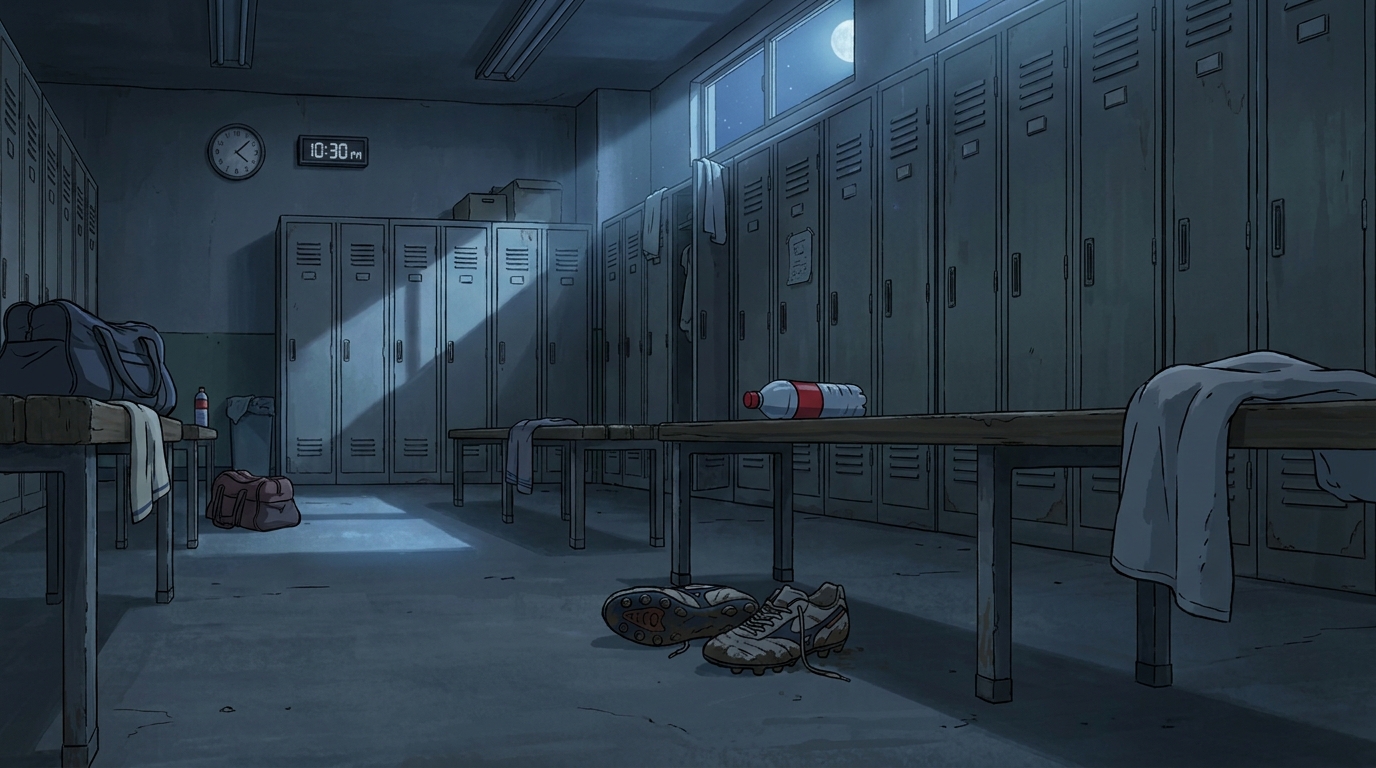
Midway, Ogi starts extra practice (you knew someone would, didn’t you?). There are montage scenes of late shadow drills, dirty cleats, empty locker rooms. His commitment grows, off-screen. Even Ema notices. She leaves a water bottle for him. There’s a small, tight smile.
Comes the first real game after Tate’s injury. No crowd to drown nervous hearts. Just sunlight leaning over, and sweat. “Remember,” Ema says in the huddle, “Trust yourselves. Trust the pass.” Is Ema scared herself? She hides it well. Ogi swallows fear. He knows he might break, or—maybe not.
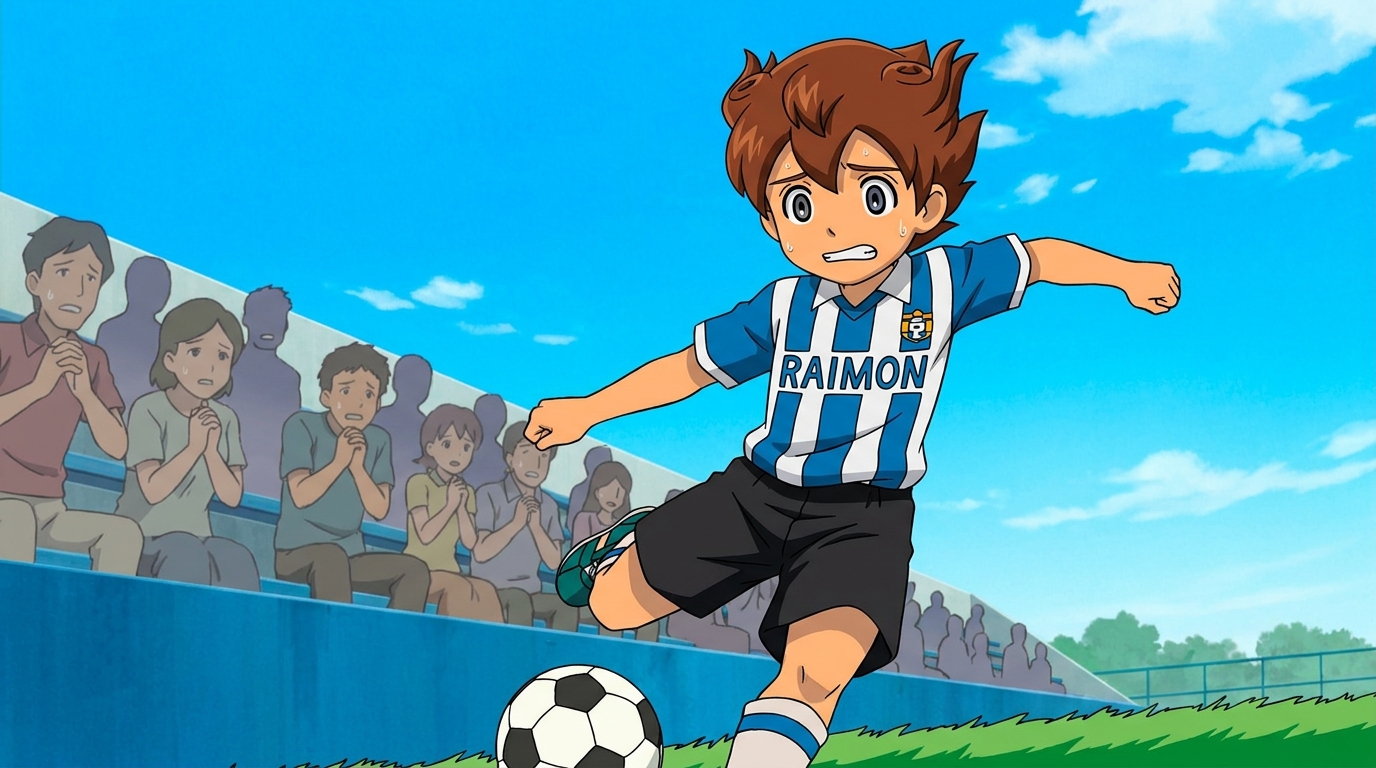
A team move: Minoru shifts left, drags two defenders, opens a gap. The pass lands at Ogi’s toes in the box. The shot won’t wait for him. Coach’s advice echoes. “Breathe. Listen. Reply.” Can you picture this pause in an empty stadium?
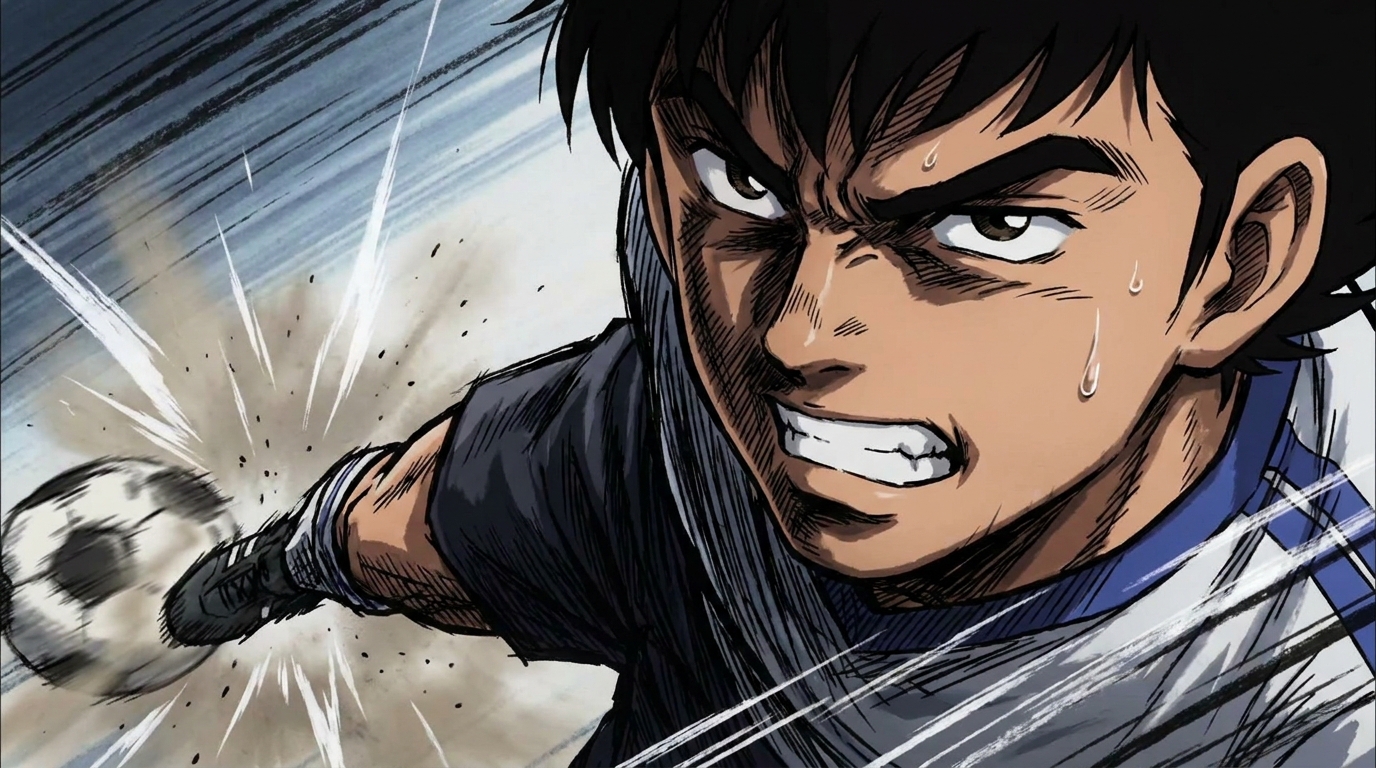
Ogi swings—time stretches. You sense the rolling grunt of grass. Panel zooms on his face, his brows, the streak of sun on his chin. He wraps his foot and fires. Narrative halts there. The ball arcs toward the net, but everything fades to black before we see the goal call. Will he make it? Or miss again? The cliffhanger’s tight but earned.
Monster arc insight: Strain on young players rises after top-line injury. Not all dodge doubt. Expert coach voices pepper scenes. “Tough runs reveal tough minds.” “Recovery lies in flow, not fight.” Fabian Rose (coach advisor): “Small steps trip big teams.” If you ran a sports group, where would you focus first after star dropout?
Ema ends her clipboard notes with a single word: “Listen.” The story dials back from rush. Recovery’s not endless, but it starts someplace quiet, in a moment like this. See yourself bearing that call?
This arc moves in slice of life pace with shonen energy—fast kicks, short chats, odd nights spent steeling up. We see Ogi not just “change” but strain under pressure. Tate’s future hangs over every practice bench. Will Ogi fill that gap, or walk off the pitch for good? Resolution waits with the return whistle.