
Where Moonflowers Weep
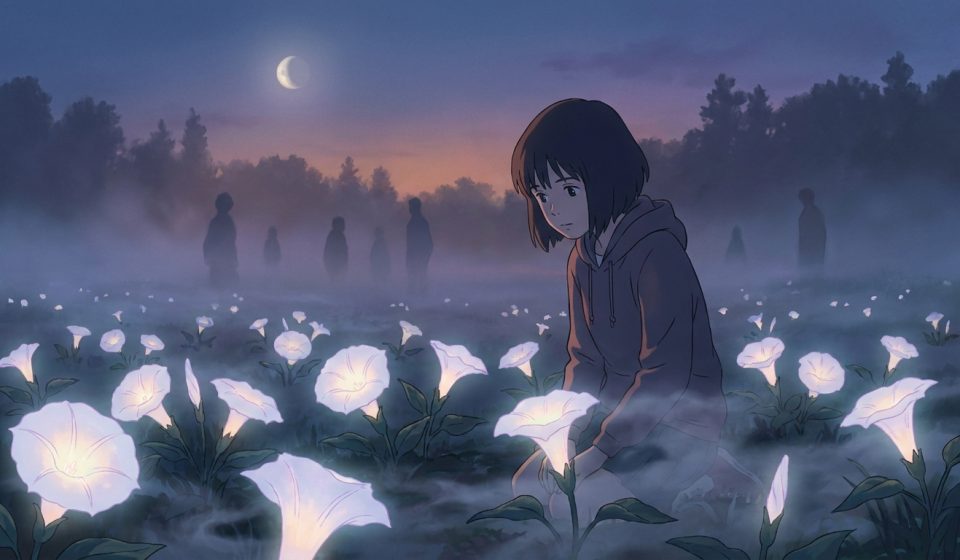
Silen is a sixteen-year-old girl with soft eyes the color of dusk and a spirit that aches for answers. Every night at the edges of Mist Vale, she visits fields of white moonflowers. The petals hide soft lights that hum when touched. Lately, their glow has faded. Locals whisper that spirits and old curses haunt this land, but Silen doesn’t think old stories can explain the sadness she feels now, or why she hears whispers in the dark. Have you ever felt like something is calling from an empty room?
Silen’s only trusted friend, Mio, keeps notes on odd things across the Vale. He’s shy, practical. People trust him to keep secrets they want forgotten. There’s another ally, Fenn—a sort of older brother—once a wandering bard, now their shadow, watching as Silen picks apart this mystery. But it’s Silen who first learns about the altar deep in the midnight woods. The altar’s covered in petals that never seem to rot, glinting blue and silver, even in full dark. Mio warns, “If there is a curse, you shouldn’t touch it.” Silen shakes her head. “Nothing here outlasts pain this deep unless someone makes it stay.”
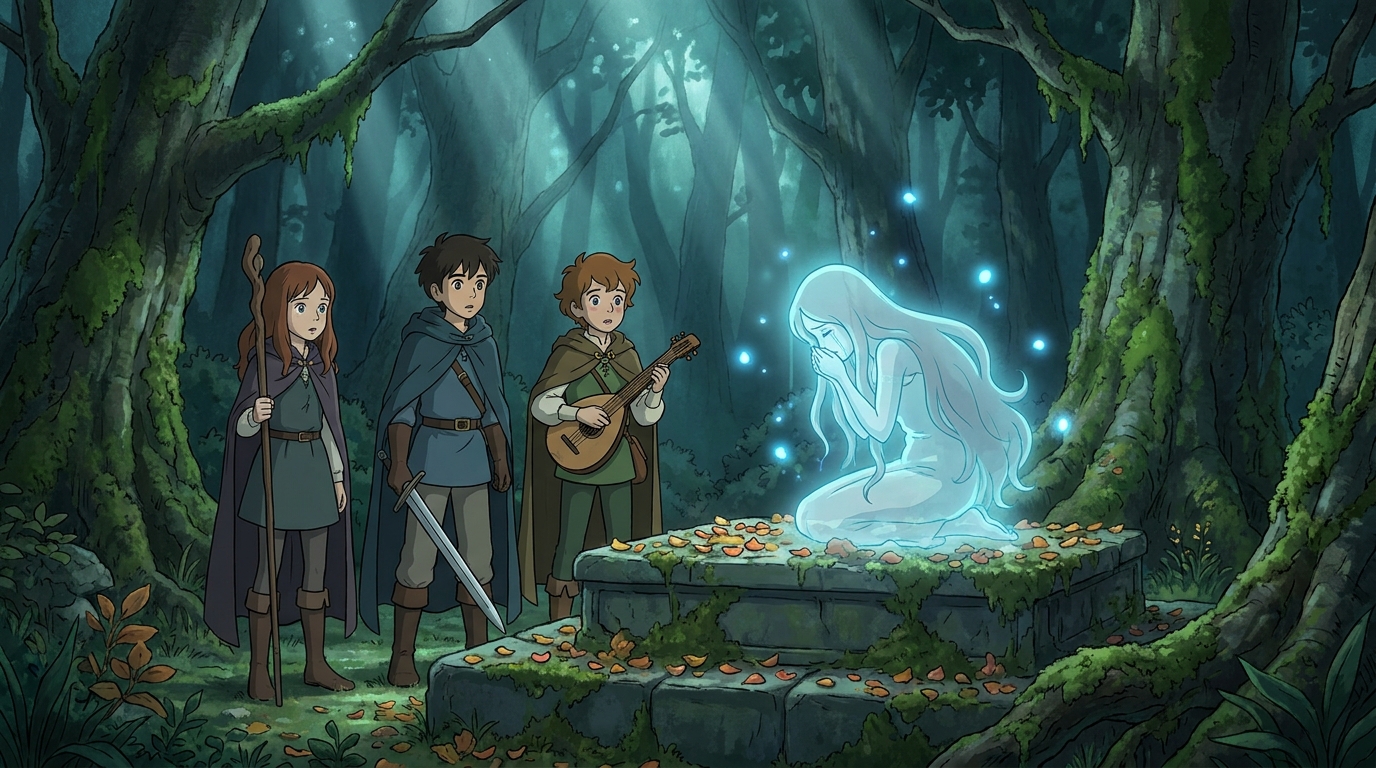
They set out before sunrise as mist hangs low. The moonflowers coil shut against the chill. Your heart ever pound in your throat even when all’s silent? That’s how it is as old trees arch above, roots tangled around standing stones and relics. They hear it: a song, quiet as a child’s hum—a language none of them knows but Silen tries to match it. “It’s lonely. It’s not trying to scare us,” she whispers. Fenn places himself in front and mutters, so low even birds don’t flinch.
Sunlight never breaks through the leaves as they reach the altar. Rotten roots clutch the stones, but moonflowers open here, faces lifted. When they advance, a shape forms—a specter almost human, weeping shadows that pool at their feet. Mio readies salt. Powerless fear sinks in. Silen stands before the spirit, voice steady. “Why do you mourn our fields? What’s keeping you?” The ghost stirs and begins a tale, but its words slip, fragments strung on sighs: “Loss…gift…curse… Keeper…time…”
That night, Silen listens to the moonflowers outside her home. She presses her hands in the air, as though their song might answer. Fenn sets aside sarcasm. Mio sketches the altar and tries to order the clues, arrows and old runes scattered. They try to guess if the curse means they’re strong enough to endure or just too weak to leave pain behind. Does grief always need solving? What if magic comes from those who grieve, as much as those who wish?
Two days later, villagers start acting strange. Strange song drifts over rooftops, dogs bark at nothing, wells bubble unintelligible voices. Fenn points at Silen. “It started when you pressed the altar, didn’t it? What did you take?” She shudders. “I just listened.” But there’s old guilt blooming in her chest. Old pain from stories people don’t tell ends up lost in empty corners. They make plans to meet Isheru, a secretive woman in the woods who knows more about buried grief than she wants to admit.
Isheru’s shack sighs in the vine-thick dark. She answers the door with fingers blue from old dye, not age. “Moonflowers only weep when watched,” she says. “You didn’t break anything; you gave it a name.” In a fevered half-sleep that night, Silen walks in spring grass while ghost-forms pass through her in utter silence. It isn’t cruel, or sad—it’s seeking, as lost as she is. She sits, hands opened to the dark, while sighs steal through leaves. She asks, “Do you want to leave, or do you want someone to remember you?”
She wakes and tells Mio and Fenn. They argue: is the spirit now free and stirring others because it’s grateful, or because it’s enraged? Destinies tangle like roots, choices made quiet or aloud. It’s hard to judge. Silen finds new names for their pain, carves little charms from moonflower stems. All the while, moonflowers by her window weep drops of soft blue, pooling in her palm when no-one else looks.
The episode closes in deep twilight—a shadow at Silen’s window, forming the shape of a hand pressed gently to the glass. It waits. Is this the last call for help? Or an opening to a fate stranger than she’s dared?