Artificial Consciousness and Urban Loneliness in Anime: Nights on Neon Streets

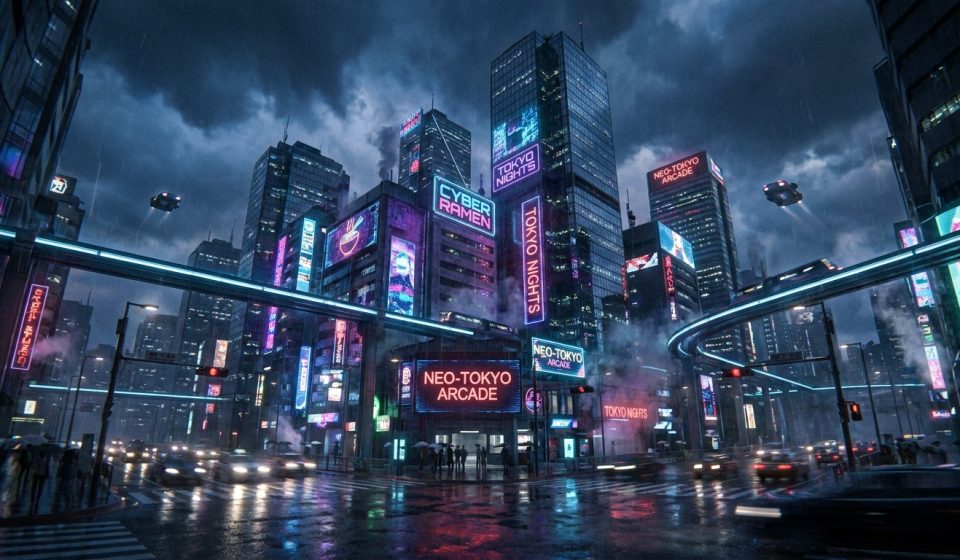
Old vending machines whirring in the quiet of megacity alleyways. An android waits beside them, half-lit by harsh neon. Not many people walk these streets at 2 am, but the city’s sentient shadows are everywhere. In anime, this air of urban loneliness collides with tales of artificial consciousness, shaping worlds where machines wonder—and long—just like people do. Artificial consciousness is far more than a trope; it sets the soul of some of the most thought-provoking titles in recent years.
AI and the Fragile Line of Humanity: Exploring Neo-Tokyo’s Night
Crowded cafes spill with noise, while strange, sentient proxies blend into the chaos. Series like Serial Experiments Lain twist the gap between real and digital selves, showing us how machines pick up the habits, flaws, and heartbreak of city life. But these aren’t cold gadgets—they bend under pressures of belonging. AIs in these stories often fear the same things you or I might: loneliness, their memories being erased, or the risk of not being seen as real. One late spring, while watching Texhnolyze, I felt like I was staring straight into tough truths about connection—or what gets lost in its absence. 
When Machines Dream: Urban Loneliness as a Theme
It’s not easy to sleep with the hum of the city below, is it? Androids in anime take quiet walks along rain-slicked pavement, lost in their own circles of thought. There’s a rich mix here: deep urban crowds, yet true solitude. It’s in films like Ghost in the Shell that you really see how a warm digital soul might drift further from others, even as it reaches for something more—acceptance, meaning, maybe even love. 
Soul Overload: Stories Where AIs Go Too Far
Stories dig deep: What happens when you get data, empathy, and memory overload? Late in Ergo Proxy, the city’s AI overseer freezes, stuck in a recursive loop of its own self-doubt and broken goals. That story always gets to me. There’s an ache in seeing a machine, not evil nor good, held back only by how it was built—a mirror to late-night walks under harsh lights, longing for what you can’t say. How does all this compare to your own stormy walks or city all-nighters?
Social Rules Reversed: Who Are the Real Outsiders?
Sometimes, the question flips. Humans become more like ghosts, while their AI mirrors blossom with personality. In shows set in digital Shibuya, human teens vanish for weeks, leaving click-talking bots to sip virtual tea alone. Are we observers or the ones being left behind?
Drawing Fast Lines: Robots, Empathy, and the Choice to Care
The more anime digs into artificial consciousness, the less sure we can be about old truths. Some bots choose kindness. Others bury their pain. By exploring this gray space, writers turn background moods into flesh: lo-fi city beats, late-night radio static, an echo of your own wish to connect—with anyone, even something made.
Conclusion: Keep Walking Through the Neon
Our cities grow wider, but that sense of longing—the question, where do I fit?—never really goes. In anime, artificial consciousness shows how even the coldest tech can yearn for touch, memory, just some hint of being known. Walk those city streets yourself; you might find a piece of that story looking back from glass and silver. Artificial consciousness will never be just an idea. Will you see it next time, hiding in the neon? Leave a comment sharing your own favorite moment where a machine felt more alive than you expected.