
Episode Arc: Shadows Behind the Neon
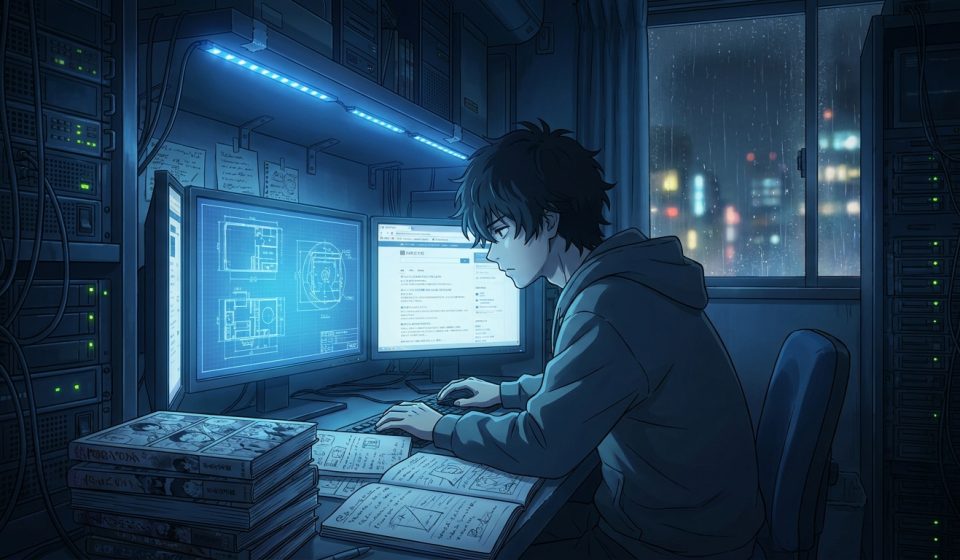
Meet Kaito Hanabira, a second-year high schooler and part-time tech blogger in Tokyo. He’s obsessed with weird messages hidden in train schedules and neon signs. He’s never believed everything he’s told—not by school, or news, or even anime forums. Every day after classes he searches forums full of deep rabbit holes about encrypted broadcasts, street patterns, and graffiti language. His goal: prove his deceased brother wasn’t just ‘paranoid’ about the city’s mind-control theory, and he can’t let it go.
Kaito’s best friend, Emi Wakamatsu, is practical—a judo club ace tired of Kaito’s ‘secret cypher’ rambles. Still, she’s loyal. After Kaito finds a plain cassette in his brother’s old box, she says, “Play it downstairs, or don’t at all. Our wiring’s old.” Not that he listens.
They play the tape. It’s numbers, static, and an address hidden in a pattern. Not far—Shinjuku, under the big blue clock near the language school. Kaito: “He’s leaving breadcrumbs for me. We have to go now.” Emi groans but follows.
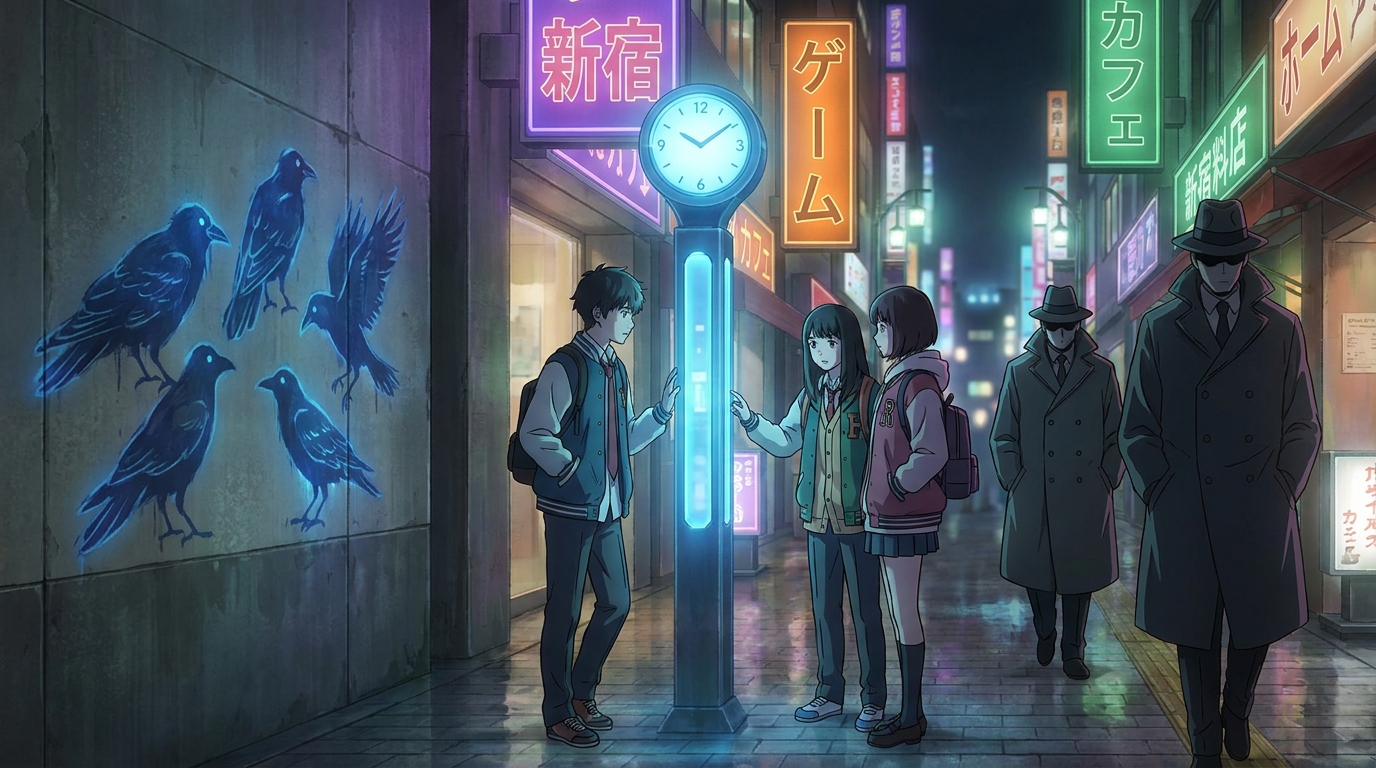
On the street, they’re followed by a classmate named Shun. Shun’s into conspiracy hour, too—his dad once hacked traffic-sign firmware ‘for justice.’ He’s sure Kaito’s clues are real. He says, “Tall blue clock, huh? You know the rumors? It vanishes sometimes… People around there act like they’ve just woken up.” Emi scoffs, but quietly types the symptom into her phone.
They reach the blue clock at dusk. Its face flickers between 19:05 and 00:13. There’s graffiti: five blue crows in a pattern. Shun says, “That’s a symbol in those urban mind-theories—” Suddenly, the clock buzzes loud, streetlights flicker, and every phone in pockets dies. There’s a rising sense in the gut that something in this block of Tokyo hides old power—and someone feels their eyes on them.
Moments later, strangers in trench coats ground out near the clock, all blinking slowly and whispering, “They’re watching. Mark today’s noon in your journals.” Cameras click. EMI shouts, “Are you part of this trick? Stop the play!” Kaito feels sweat on his neck. He pulls Emi and Shun into a run, counting crows as they go. Are you starting to sense the tension too?
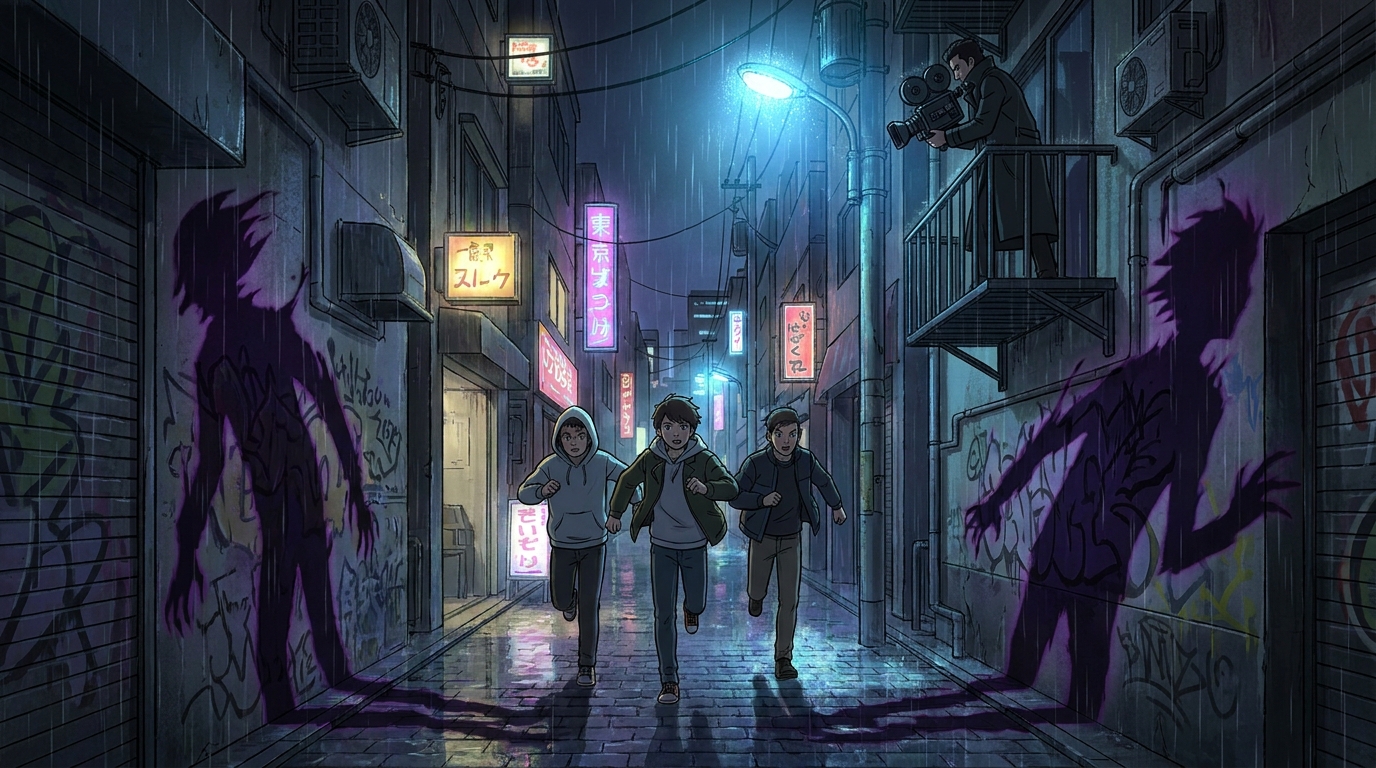
Kaito leads them down an alley and into a back parking lot. Faded posters warn, URBAN NETWORK ACTIVE. Emi asks, “Now what?” Kaito finds a notebook dropped minutes earlier—was it his brother’s? Three songs clipped on the first page, all by artists with numbers in their names. “I swear the next clue’s a busker track hidden in pixels again,” he mutters.
From a rooftop, electrons tangling the air, a hooded figure points a camera at them. Shun whispers, “That’s Kubota. He’s trending on urbaneverywhere.jp again! His pics always drop two weeks before a weird event.” In a flurry of paper cranes, a coded pamphlet lands at their feet. Each part seems random, wild, yet adds up: random phone numbers, a beat frequency, bus CCTV image, all linking to one looming logo—a foggy eye watching snippets of the city. Who runs this show?
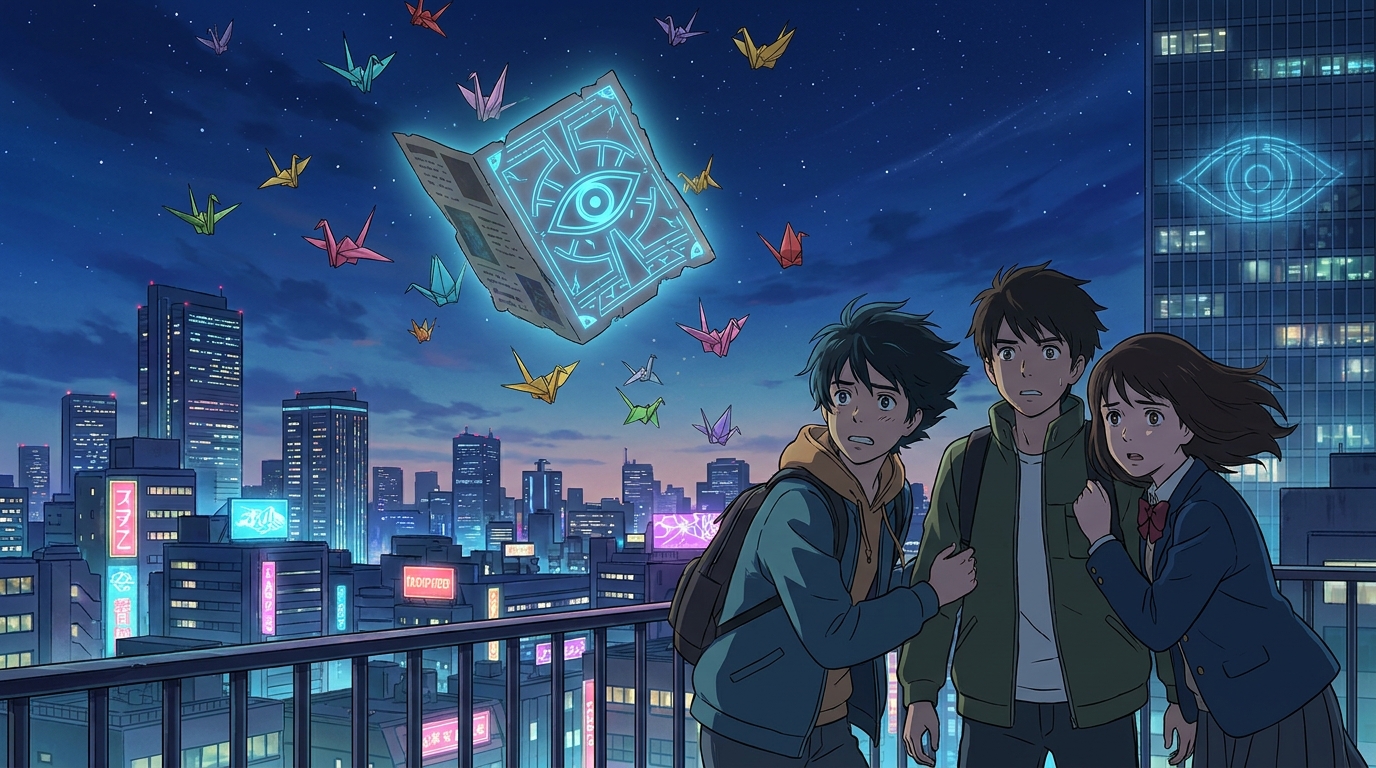
Kaito realizes these cryptic moves tie together like an old code: each new clue a part of a centuries-long city conspiracy to herd city folk, to keep them from noticing the real shape of the world. The three dip into old library books, forum screenshots, even signals from ham radios. Pure detective fever grips them—finding lost subway lines, hidden switchboards, numbers in postings about power outages from 1988. The dates seem too neat, the codes too perfect. Would you trust your senses now?
Every new clue comes just as their gear dies. Night deepens as city sounds grow thinner—almost as if someone edits out a layer of noise each hour. The group is wary even of reflected faces in glass—they turn away faster. At 2:23 am, one final step sends them down into tunnels closed three decades ago.
Below Shinjuku, someone—or something—awaits. The storyline splits: Emi faces her own version of the urban watcher in a half-lit corridor, while Kaito listens as impossibly old intercoms croak his brother’s voice, looped. Round the bend, Shun walks into a full grid of forgotten clocks, each showing 12:01 but ticking backward. Are you bracing for what’s past the door?
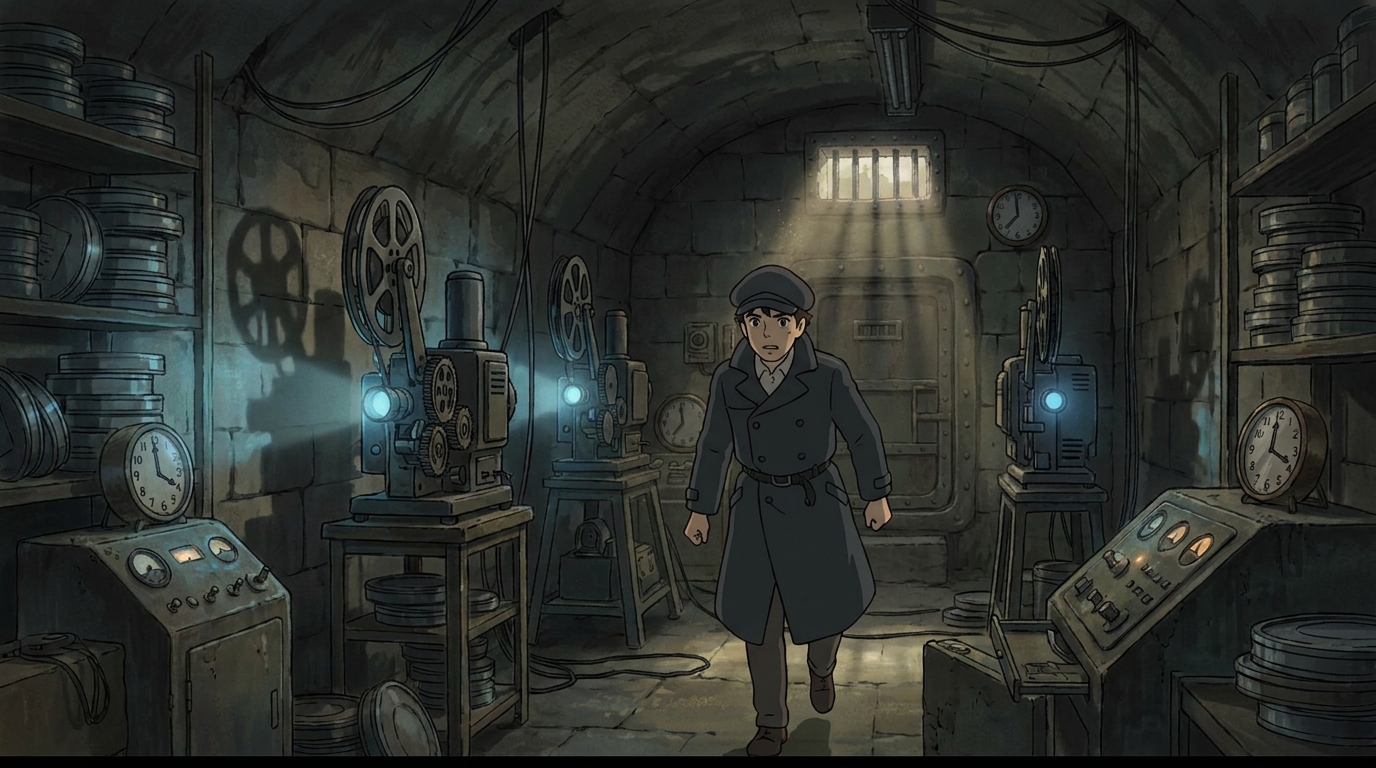
This arc closes on Kaito, reaching for a wall-panel with his brother’s name hard-carved. At hinge’s edge, light shines. Inside: walls of reels, data-tape, blinking symbols—a control room tied to every streetlight, screen, and camera in town since 1963. Static grows loud. Clocks slow. Episode ends mid-hiss, just as words start playing—”Kaito, for truth, don’t close your eyes tonight…”
What would you do if your world twisted like that? Who watches the watchers?