
Reflections in the White Room
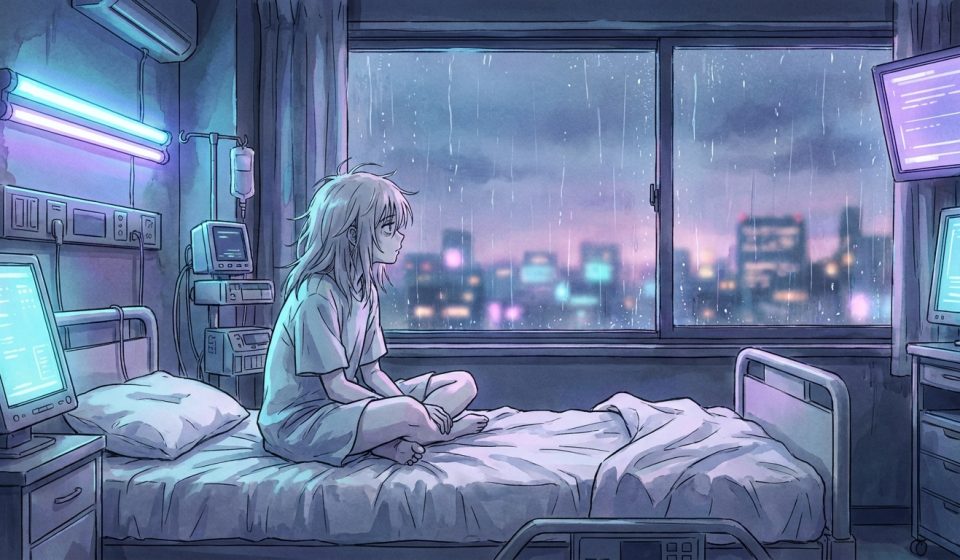
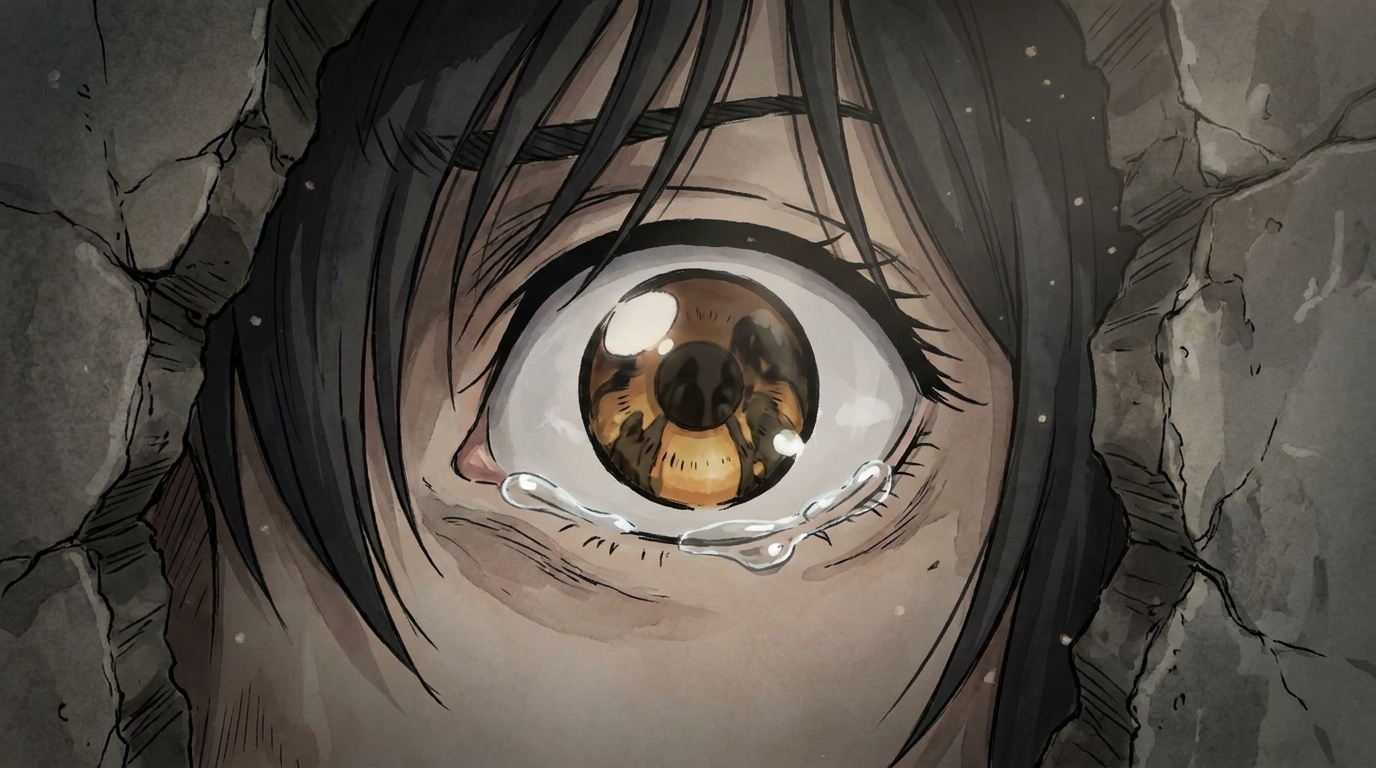
Kureha Nanami sits by the window all night, her breath fogging the glass. Outside, the ward seems normal. Inside these walls, the harsh clean glow makes her skin crawl. Room 217 was supposed to be a safe place—a place to get better. Night after night, it grinds away at her thoughts, stripping out all sense of time. Is it Tuesday? Or still Sunday? What does it matter if sleep never comes?
Her goal is simple: remember her last week before waking here. But each time she tries to thread the pieces together, a fresh hole opens up. Did her mother call last Thursday, or was that some other voice on the phone? When Dr. Mihara appears with his careful half-smile, his words are gentle, almost too careful.
“Kureha, how are you feeling today?” he asks, his pen perfectly still in his shirt pocket. She scans his face for pity or any sign of a lie. She gets nothing. “They keep moving my pills around,” she answers. “And last night, I heard something under my bed.” She doesn’t tell him what she saw—not this time. Would you?
The patient chart on his tablet flickers. She tries to glimpse some sense, maybe a purpose. The words slip away from her. Outside in the hall, an alarm blares, shrill as a choking scream. The nurse with the green pin in her lapel pushes a gurney past. Kureha squeezes her fist under the blanket, feeling the pain bloom in her palm. “I want to call home,” she asks. Mihara hesitates with a pause too long to be kind. “Bed rest. You know the rules right now.”
A new face came in three hours ago, hunched and silent. Masaki Ishida, they told her. Young, hair cropped short, scars blooming at his wrists like odd flowers. He can’t look at anyone for long. By noon, she watches as the nurses walk Masaki away yet again, always into the Red Door room. It’s off limits. Has she been in there? The rules say no, but someone in her mind says yes, whispers hints she can’t explain.
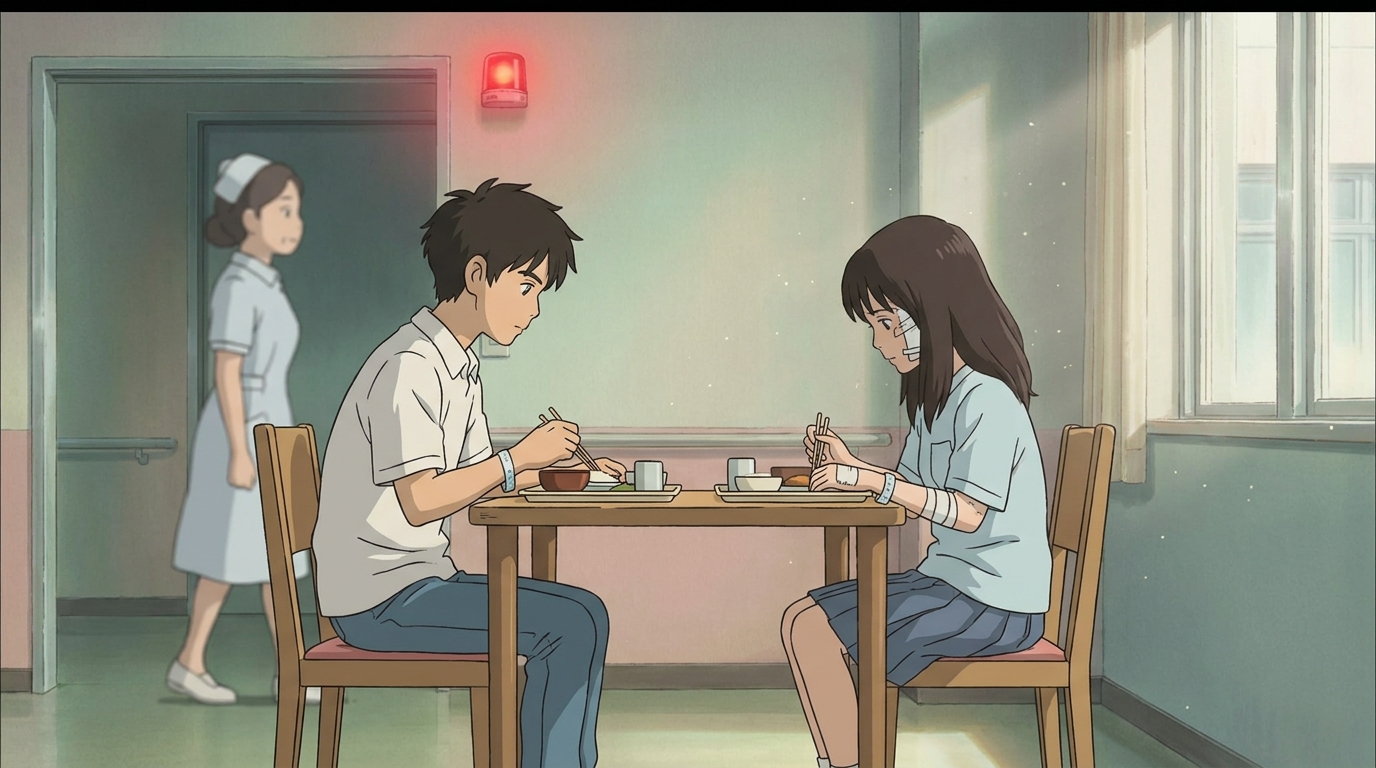
Kureha and Masaki cross glances at lunch. He drags his fork across his plate, carving lines in the mashed food.
“You get any sleep?” she offers, voice flat. He wavers. “Walls here are too thin. You can hear all the ghosts.”
He bites his tongue in silence. Who’d want to stay for second helpings? Would you eat if you couldn’t be sure who was at the table with you?
Late evening, Kureha explores the far end of the ward. She finds a smeared handprint on the restroom mirror. Not hers. Not Masaki’s. She points it out to Yume, the oldest patient, a grim woman with greying hair tied tight. “Don’t ask questions at night. They’re listening through the wires here,” Yume whispers, tapping her forehead. Is she crazy, or do they both feel the static in the plaster?
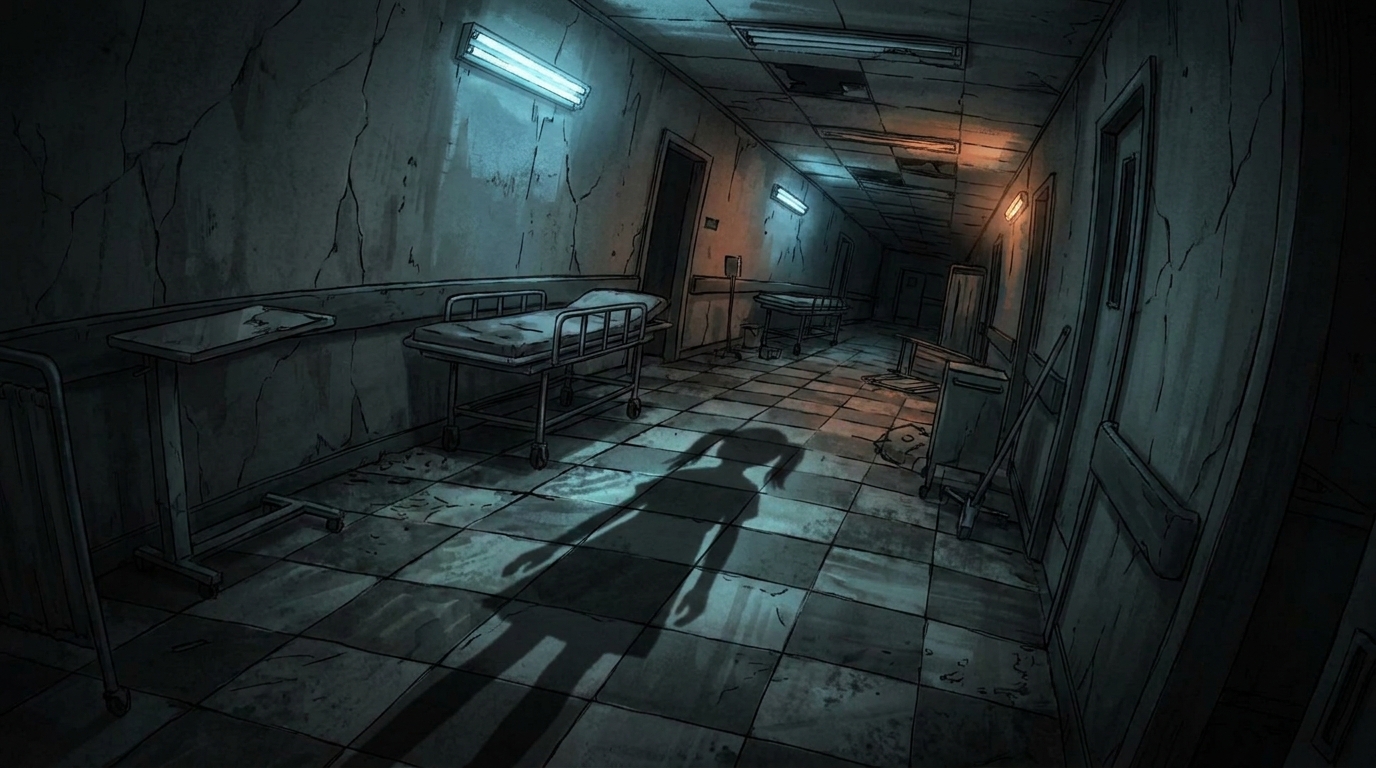
Here comes the strange part. Past 11 o’clock, Kureha hears her own voice echo down the vents—a sob and then: “Why’d you do it?” No answer. Not hers. Can’t be. She’s alone but not alone. Her shadow ripples the cold floor. The room begins to pulse, the seams warping at the edges. She shoves her pillow to her mouth and screams but only the ticking clock listens.
Time jumps then. Pages go missing in her daily notebook. The nurses ask questions she doesn’t remember answering. Is this all some test? She plots escape. Masaki, changed by guilt or terror, writes codes on old tissues he leaves at her door:
“Watch the clocks. They only move when someone isn’t counting.”
“Red Door open: 3:12 – 3:17.”
No sleep tonight. None tomorrow. The ward shrinks, the white walls pulse. Yume stops talking after two more days but her eyes follow every nurse. Nobody keeps the right silence here. Every surface, every shadow, tries to tell Kureha a different story about how she got here. But none feels true for long.
Episode two closes with Kureha gripping the baseboard, yanking it away to find…the rest you’ll see yourself. Sometimes you’re the patient. Sometimes you’re the one behind the glass. Which side do you think you’re really on?
You want to hear what’s under Room 217. You want to know about the Red Door. So do they.