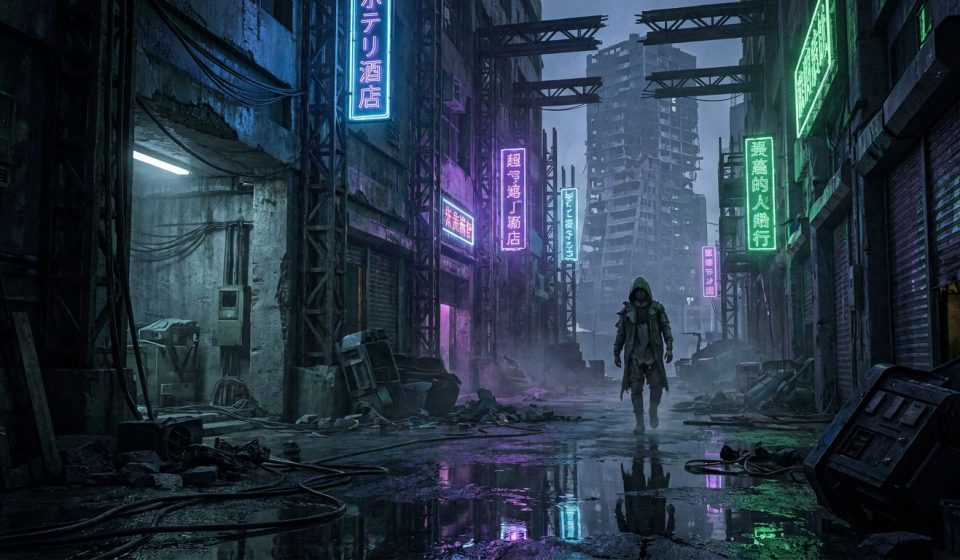

The rain hit the city in thin, cold sheets, washing neon off broken tiles. Deep inside Zone S-9, two mecha clashed. Their steel frames glowed with warning lights. By dawn, only one pilot would call this district home. Across bombed towers and hollow subways, this was no skirmish. It felt personal.
Sakane Kaori gripped her console at 02:14, Commander Strix model stuttering as sensors fed new data. Someone matched her every move, broadcast-jamming Defense codes and slicing street cams. Who haunts a city that’s long lost its faith in heroes?
AI Pilots or Human Instincts? The Fight for Control
Since 2117, the debate hasn’t cooled: should elite mecha units lead with pilots, or surrender to algorithms? An Osaka Mars build won in single combat last summer—fully automated. But Kaori’s hand still outpaces her craft’s cold logic most nights.
You might ask, does a machine known hunger for risk? Circuit versus pulse, each responds different when the shell cracks and heat scorches armor plates.
Urban Battles: Using Ruins and Shadows
Most anime show giant robots in open plains or over bright water. Yet here, alleyways matter. Fault-damaged walkways become traps. A toppled holo-sign camouflages a crouched Mark 7 Sabre, turning block F into an ambush zone.
On Saturday, July 6, Kaori rerouted drives through a half-flooded metro shaft to corner her foe right below 80 West Tower. That kind of gut call saves circuits. Did you ever plot a route in a ruined map, then hope for grip as cracks swallowed your shadow? 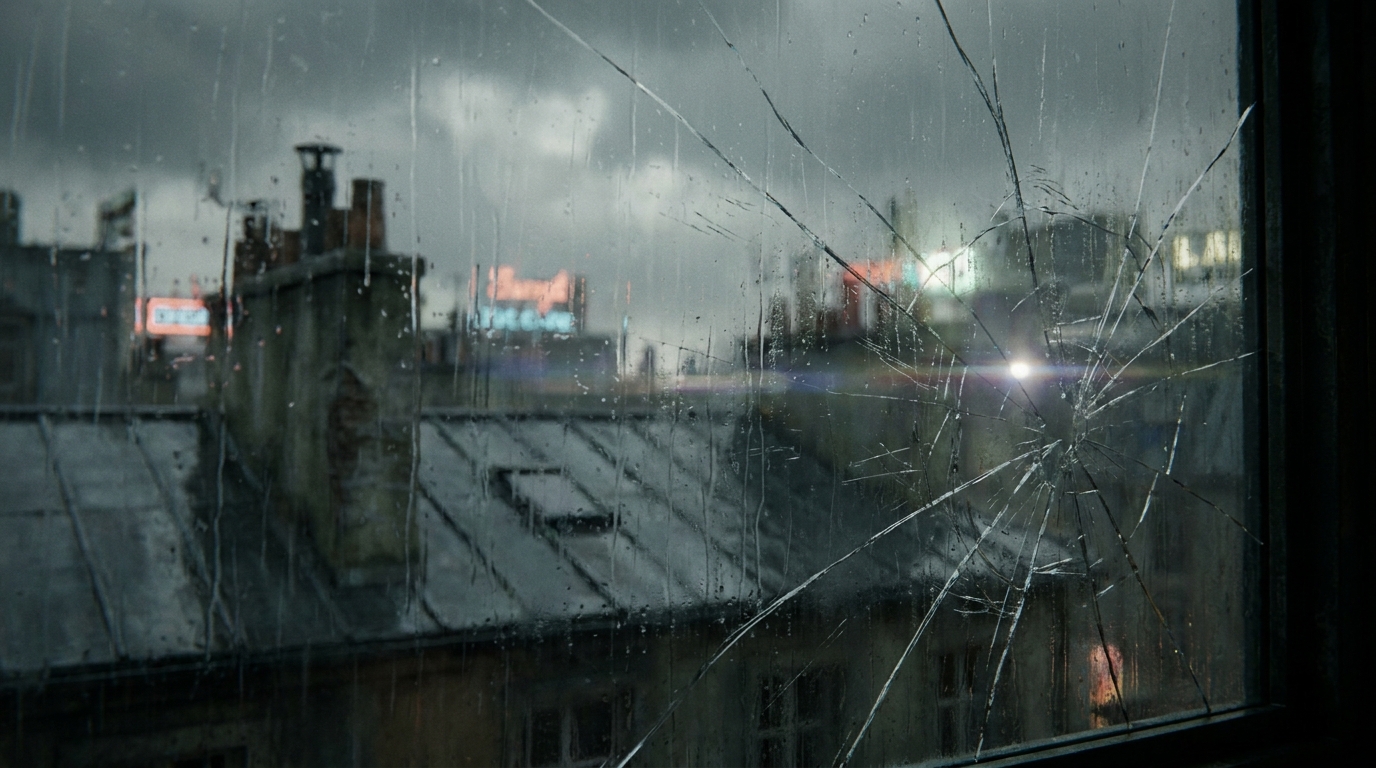
Ghost Runner: The Unseen Challenger
Rumors in the pilot net speak of a ‘ghost runner’—a pilotless rig that leaks phantom blade clouds into forced melee, stays off tracking systems, flickers out just before being marked. The Council calls it a security drill. Pilots swap horror logs: glitch-text orders, sudden losses in closed systems, voice clips repeated in your own voice.
Kaori’s first ghost runner fight, April 28, left her side thruster cold for weeks. She marked three spectral hits through fogged glass, all gone by the time backup lit the scene. Win or lose, these enemies leave scars. 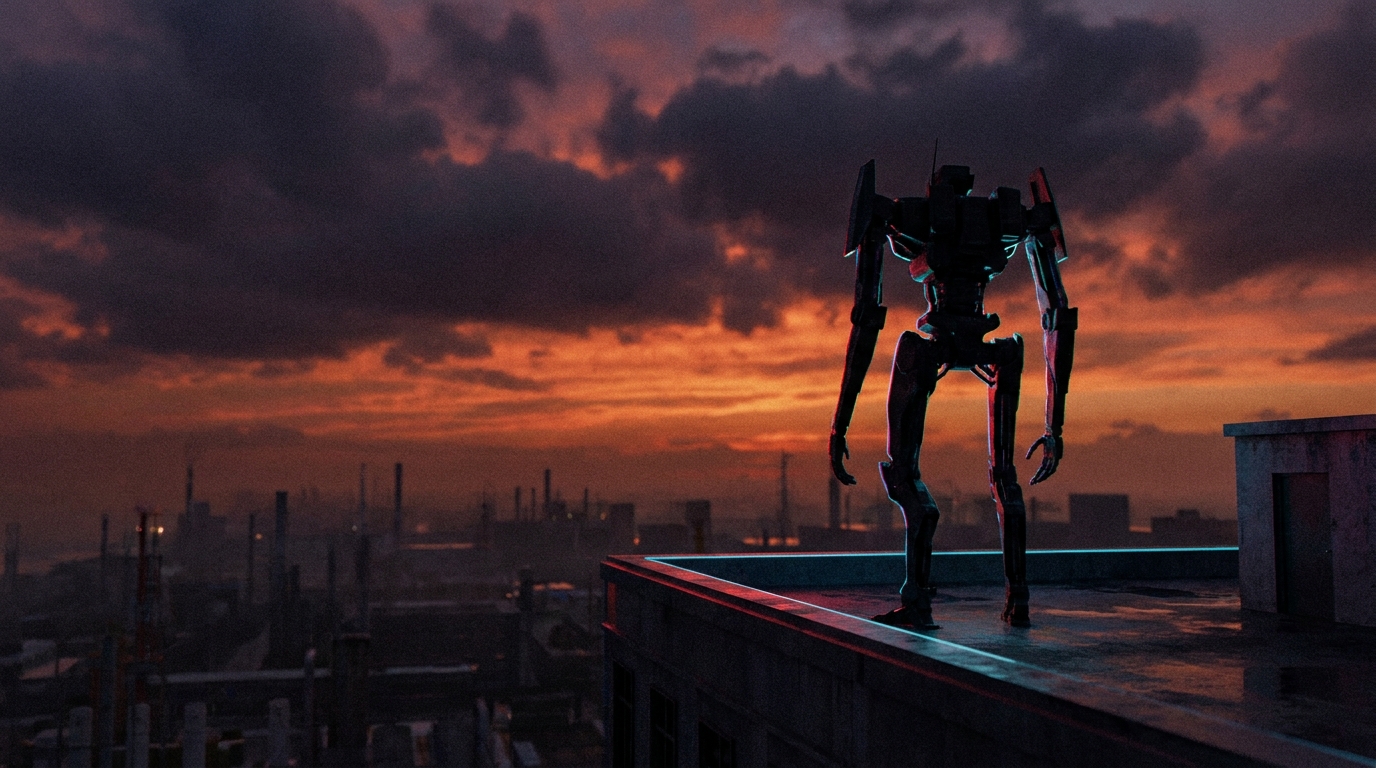
Tactical Upgrades: Surviving Night Pursuits
Pilots who last in these midnight mecha battles run lightweight reaction wheels, layered optic jammers, and can reroute power in two moves. Hardpoint swaps let crews claw back minutes lost in the confusion. Overclock settings peak at 80%—past that, even veteran hands can’t predict system drift.
Your rig must manage both sight and silence. That’s why elite units spend hours inside gray-walled simulators, bodies tense against feedback shocks. You feel the machine learning your tells and, sometimes, hiding your tracks just as well. 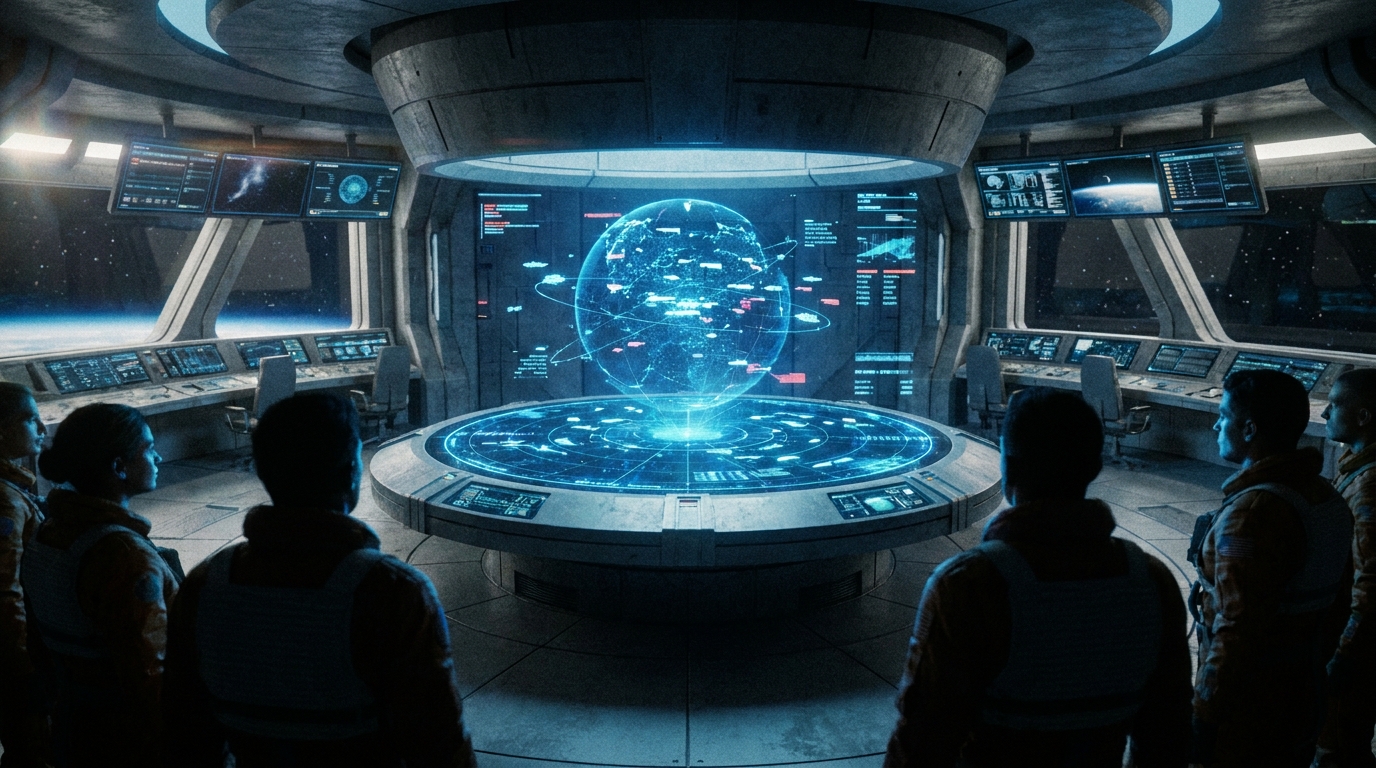
Forged on the Edge: Why Risk the City at Night?
High-tech duels remain the real magnet. Prestige follows the pilot who stands last in these forbidden dead zones. The best upgrades, the rare Aegis mod, hacker favors in trade—all flow to proven survivors. Yet ask any field ace and they’ll say: the city itself changes you faster than new gear ever does.
If you could join a chase where every corner hides both a trap and a chance, would you? After each battle—win or loss—you’ll walk out with slimmer trust, sharper reflexes, deeper war stories.
Shadow duels keep the city’s heart cold but strangely alive. Want to share your own zone battle or theory on the ghost runner? Drop your account in the zone comments. The next story might just be yours.