
Ako Suda is sixteen. She keeps a journal of things that ache, down to the oddest detail—a muscle twinge in gym, skin that crawls late at night, small aches in her fingers. She thinks most people drift through the pain.
The story starts in May. Ako finds small, rough patches under her hairline. She brushes her fingers over them and recoils. “It just scabbed, right?” her friend Naoya asks. Ako shrugs but can’t stop thinking about it.
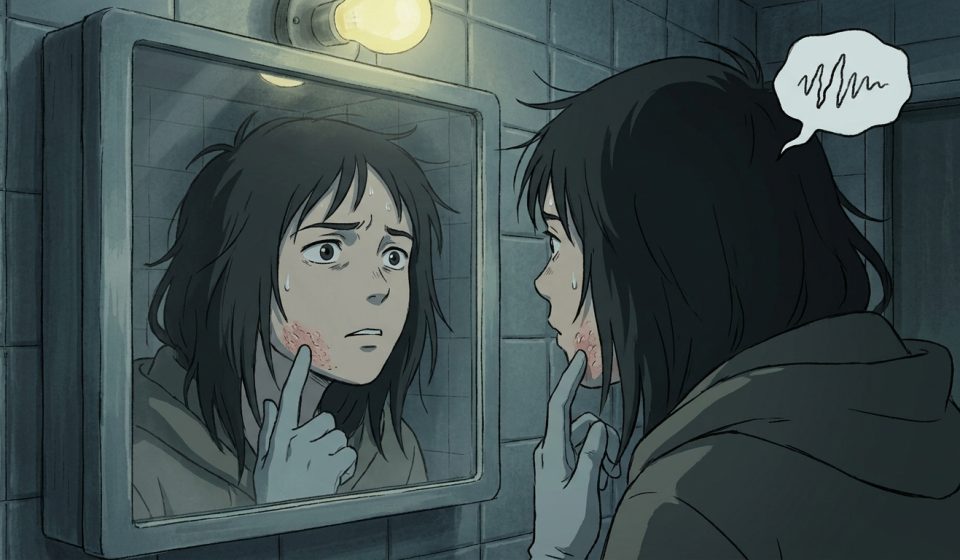
She loses sleep. One night, distracted, her hand catches a chunk along her jaw. It lifts—like a thin shell—filaments stretched, sticky grease-thread, barely holding her skin to her face. She shuts her mouth tight. Could you ignore something wrong, even if it scared you?
Next day, Ako is in a world so sharp it stabs at every sense. Students talk, windows clink, chairs scrape, the salt rank taste of her own sweat. She watches a fly go in circles around a half-eaten piece of bread. Her arm itches now—the inside, not on top. “Can sores move beneath the flesh?” she whispers.
Naoya walks her home, his bag slung carelessly. He teases her for spacing out. “Ako-chan, look here. Are you even listening?” She doesn’t answer, too busy willing her bones to hold, her muscle to stay put. 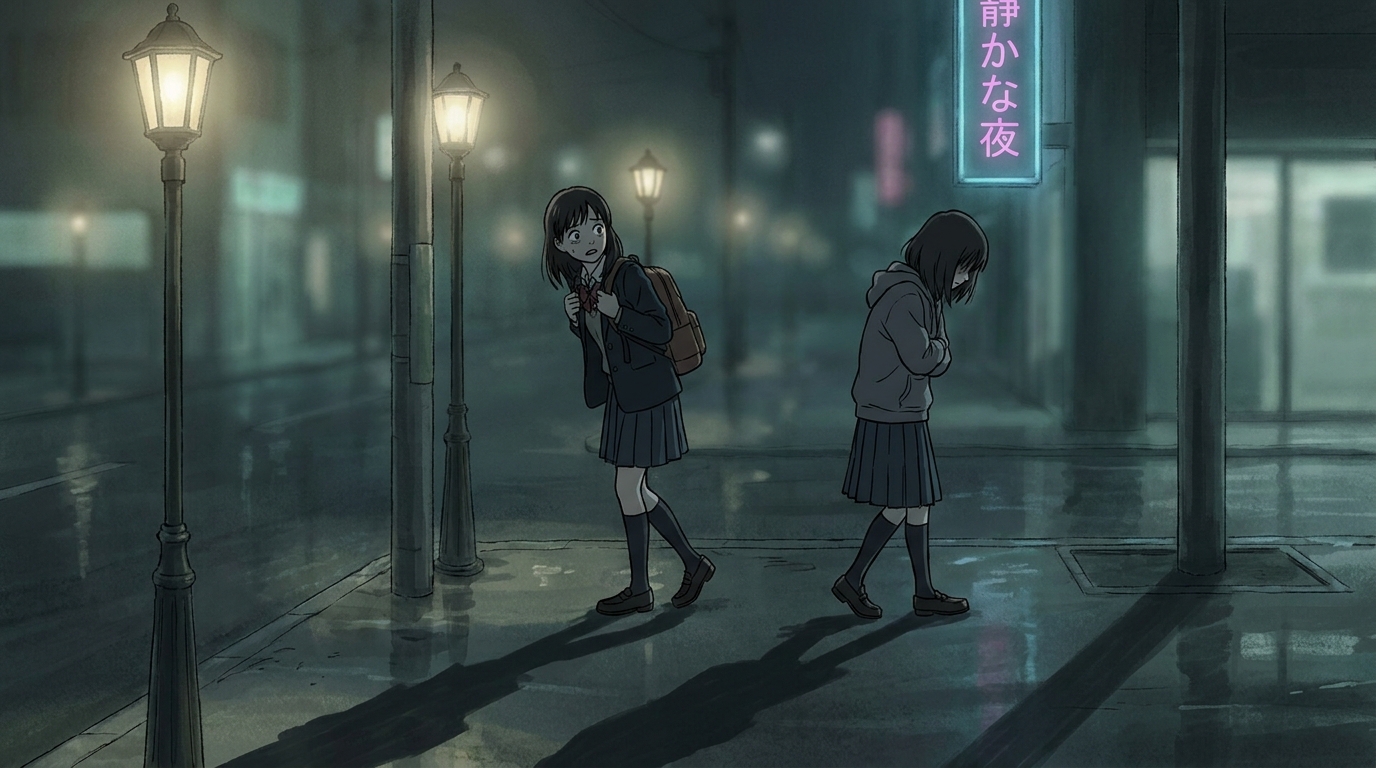
Over days, the patches spread. Ako breaks a fever. She claws her jaw raw in the dark, scraping away a thin, colorless stratum to find, just underneath, little bud shapes. “Maybe it’s all fake,” she tells herself. Why would her very own face feel so foreign?
She reads medical logs online. Husk-face, peeling syndrome, dancing filaments. Descriptions clash: some say burning, some numb, some say fear itself forces the change. Ako writes in her journal: “If my face falls off, will my smile look the same below?”
The fear ramps up after gym. She scrapes a knuckle and finds strange, webby lines running through the wound. She can’t tell if she wants to burst out crying or just pluck strips and see what would happen if she shed it all off at once.
The arc approaches its midpoint when Ako’s sense of her body reels. Each time she lifts a lid, tucks her shirt, clears her throat, she’s sure—wrong flesh is lurking under the top. She knits her hands tight, finding fibrous tissue slipping as if bored of her own shape.
Naoya catches her staring at her hand. “It’s all right,” he tries. “You are still Ako.” He doesn’t see the lines, the way the patterns slide under her thin, translucent layer. Does she?
In a feverish flip, images dance in her mind—faces splitting like fruit, skin sliding off to reveal small, huddled imps humming beneath people’s jawlines. Small clusters—like second faces—growing right below the bones. Does the body hide more than the mind can bear?
When Ako tears away a wider swath at her left cheek, she almost sees an eye looking back from the pulp. No, just nerves, just blood. The eye matches hers for one frantic blink. Is she the only one seeing these things?
She closes her notebook. She needs answers. She corners Mr. Nemoto, their aloof biology teacher, at dusk near the sports field. “Do you know,” she stammers, “if bodies… can break open, but not the bleeding kind? Just peel back?” He frowns. “Fungal infections sometimes look like veils under skin. It’s rare. If you see things—like strings or… faces—that’s a trick of the nerves.” Is it?
That night, Naoya calls. The voice on the end quivers. “Ako, my arm—look, there’s something under—” Before he finishes, a humming static ends the call. 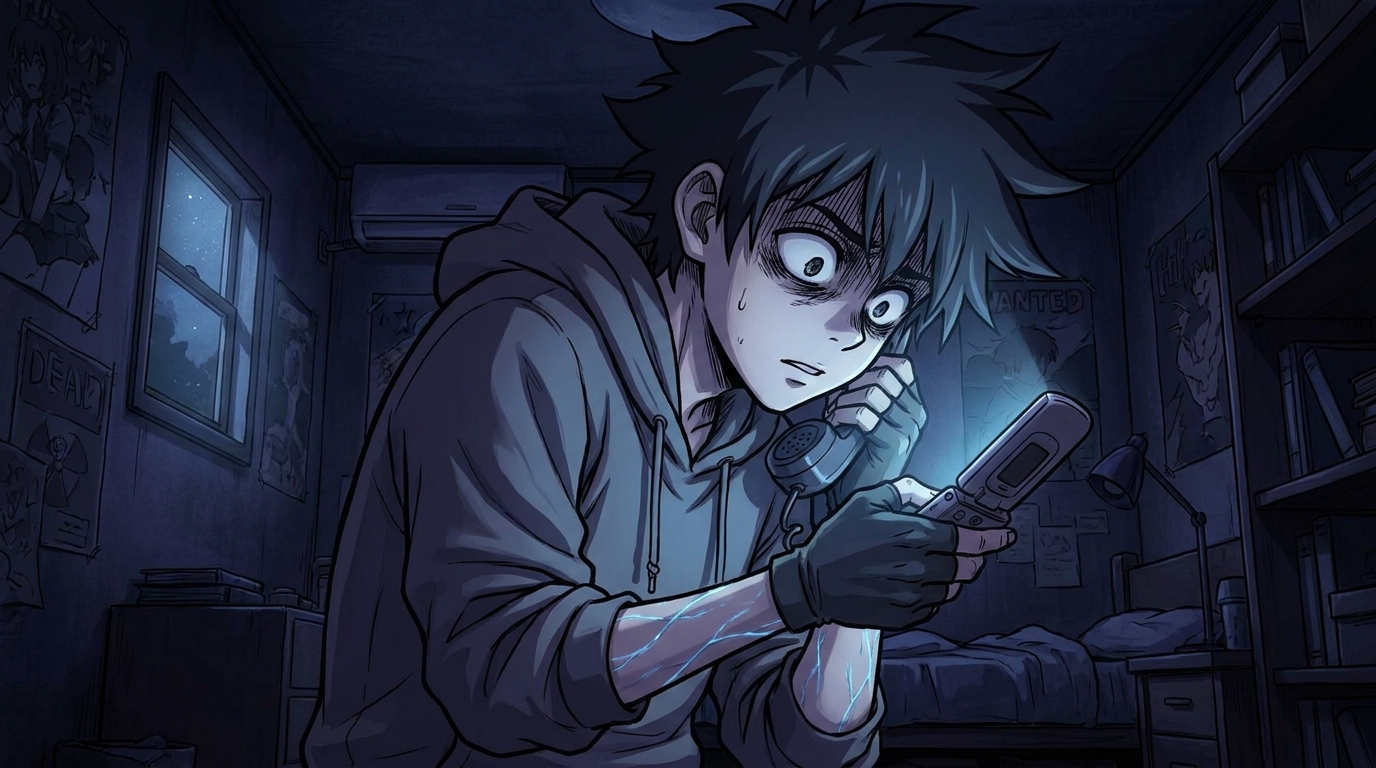
From then on, the town isn’t the same. Three classmates miss school. Mushy bits found on stairs. Bags forgotten. Teachers swap long glances. One student peels off what looks like rubber, only to find his hand webbed and tinted green where light hits his veins.
The more Ako examines her own flaking skin, the more she realizes her peeling is in patterns—twin lines following the creases of her fingers, swirls at her elbows, eyeless sockets along her jaw—almost as if something underneath wants to climb out. How would you react if your own body felt staged for a stranger’s escape?
She asks her mother about the missing kids. Gets only tight lips. Her theater club writes a play about insects molting flesh, not realizing how close they’ve come.
A restless thirst drives Ako deeper. She sketches layer upon layer—a map of hands below the hands, jaws stretched inside her own. Some scuttle, some teeth-stick through webbing. Just before dawn, she’s sure her left index splits open and grows a short, pink-stained face. She screams. Someone in the next room moves but doesn’t answer.
Things spill over at school the day they discuss Rembrandt. As the room darkens, someone’s cheek cracks, thin purple pith blossoming along their skull. Ako meets the mirror and sees rows of eyes, dead but curious, pressed right under the flap of her own skin. 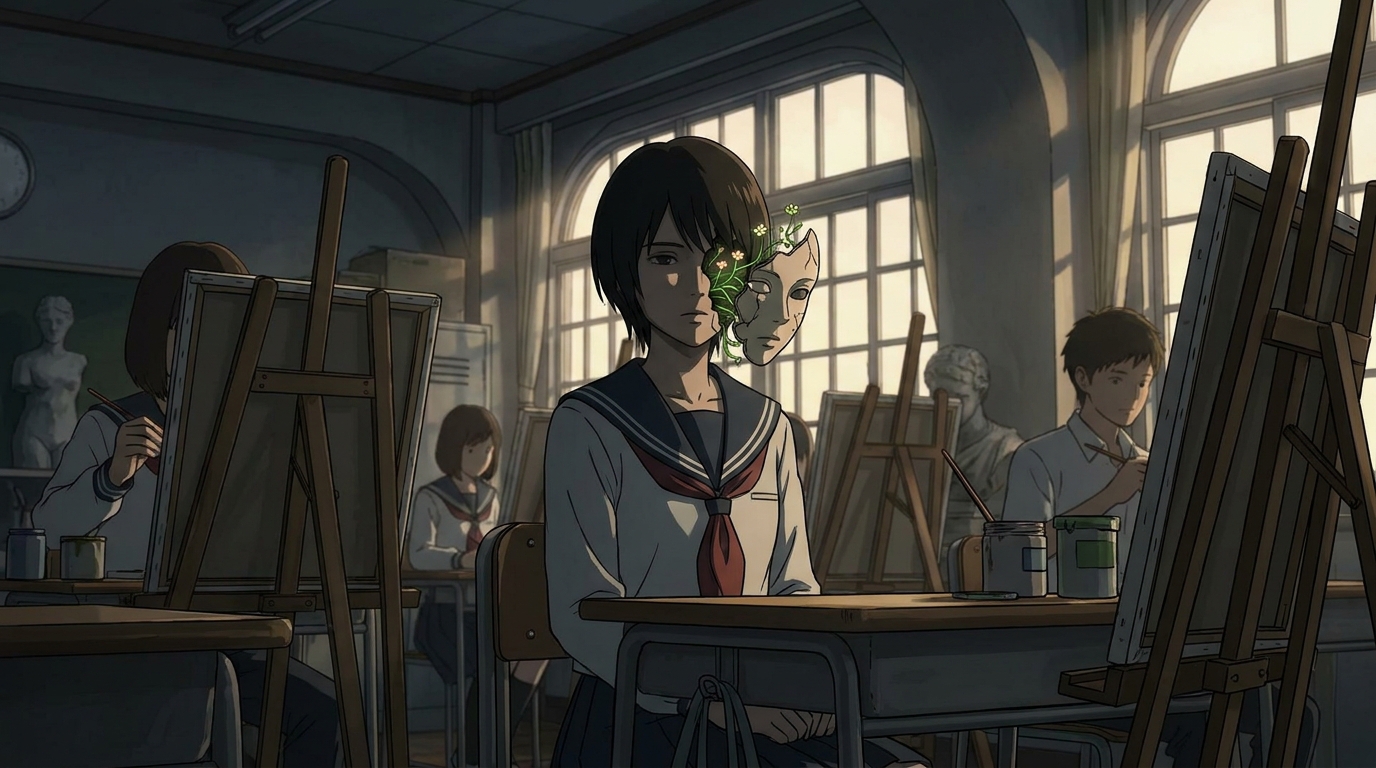
In the last act: the cycle takes Naoya. He bursts in. “Only you—it’s true,. I see them,” he gasps. His left elbow droops away, sprouting pale threads in strange geometries. They look at each other in terror and a tinge of awe.
She asks, “What if we’re artifacts—made to unravel?” Naoya says nothing, jaw ajar, as webs slough from his face, thin, slippery strands that linger in the silence.
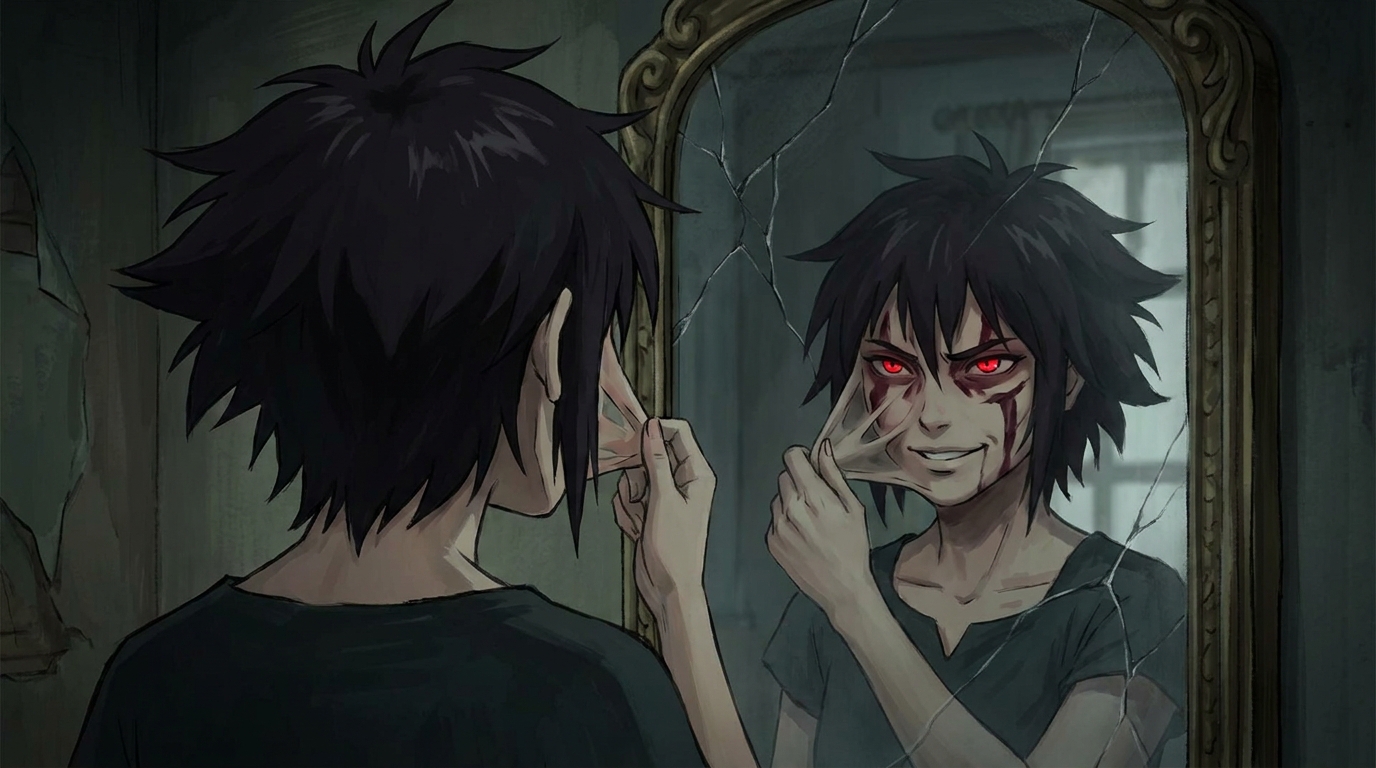
The episode snaps to black as Ako, voice steady now, opens her face in the mirror again. Someone—or something—smirks back, its new lips pulling wide, waiting for a turn in living. Crickets drone. Will she let the layers beneath walk free? Will you keep peeling?