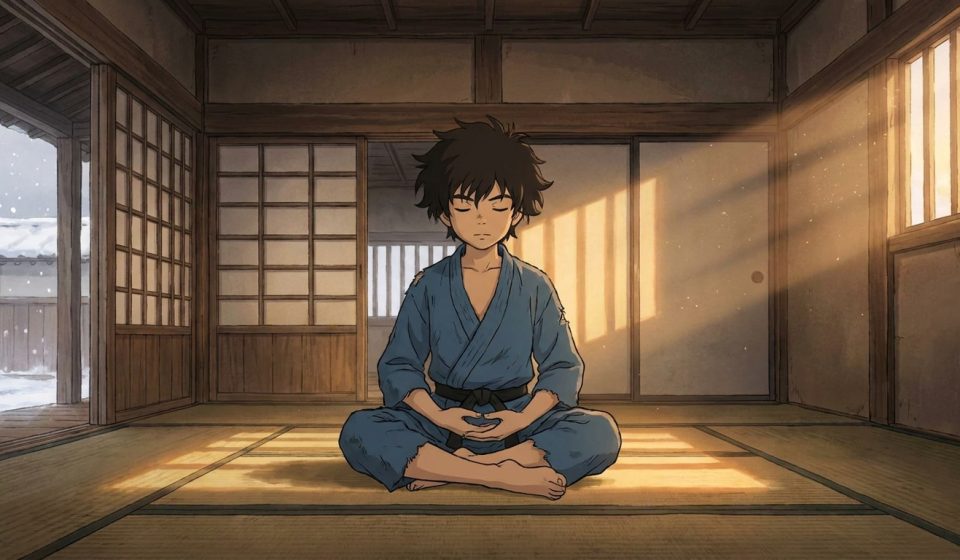

Chapter 1: Ripple Beneath Stillness
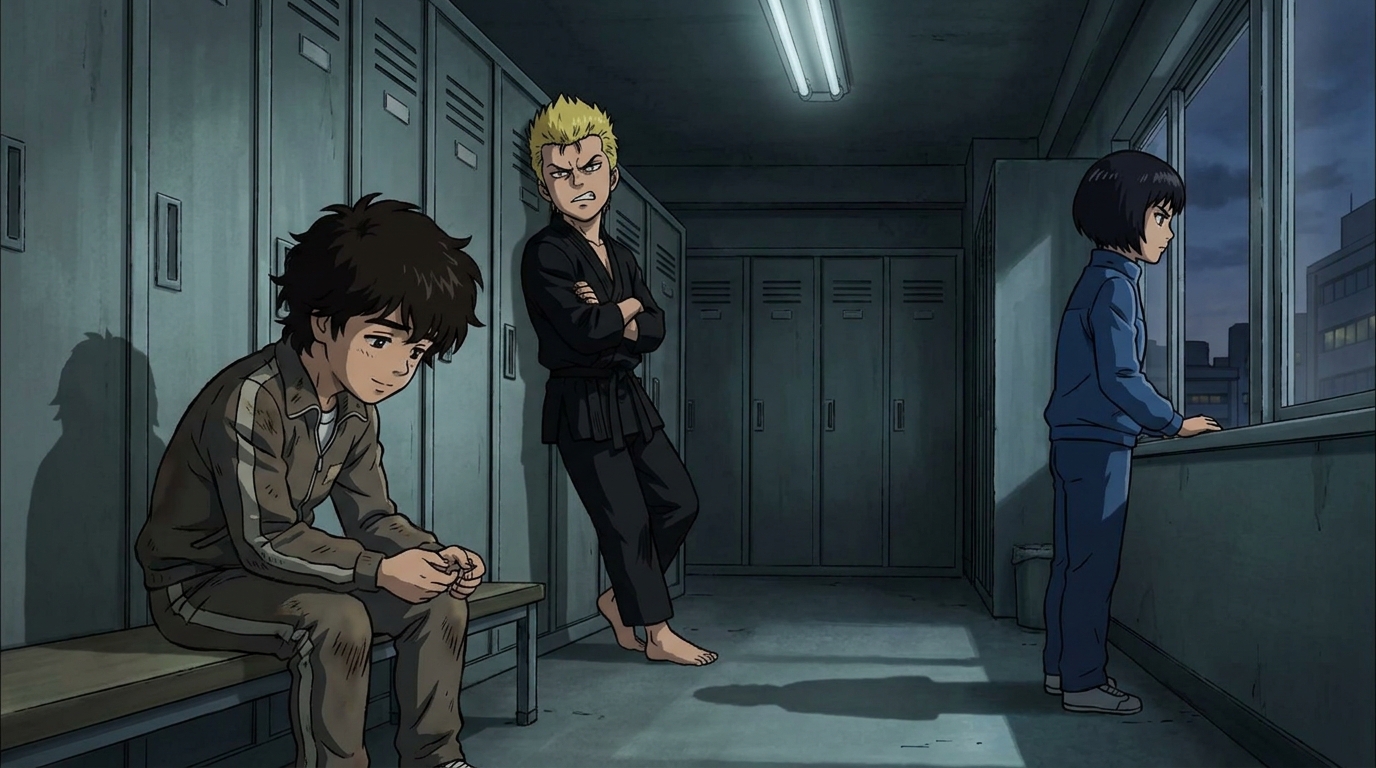
Young Soma Hayashi loved silence. Even in his busy town, his dream was to find quiet inside martial art. Most boys fought to hear cheers, but Soma stood for something else. He came to Tranquil Dojo three years back after leaving Kickboxing Club at Tojiri Middle School. Why? A heart murmur, thanks to overtraining during his first contest, October 4th, 2019. His doctor ordered, no full-contact kicks. Soma’s solution? He learned Seishin-ryu—an art with open-hand, firm stances, slow breath, and split-second turns. Some call it soft style. Soma calls it home.
“Why don’t you train harder?” Ryu Akamatsu, the resident hothead, always teases. “You hold back. No one’s scared of whisper punches!”
Soma looks down. “I don’t punch for noise.”
Did you ever try a sport where doing less means getting more?
Chapter 2: The Golden Invitation
Every third winter, the Open Martial Tournament comes. Tranquil Dojo never went. Ryu wants glory. Mei Tsukishima, the cheerful next-in-rank, wants new friends. Soma craves calm and a way to fight without pain. Coach Kitano is blunt: “Win, and people see Seishin-ryu. Lose, and you’ll hear mockery for months. But go in your own way.”
Epiphany or bad idea—a sealed note slides under Soma’s futon: an invite from Kenshin Sensei, his old coach, almost a riddle: “Fight once more. Show what no one sees.”
Soma: “Do I want to, if I risk another scar?”
Mei: “Fighting can heal, too. Try. I’ll have your back.”
If a friend begged you to take a risk, would you say no?
Chapter 3: Mind Against Might
The stadium lights sting. The mat carries footsteps from Before. First up: Tetsuya Kirihara. A 16-year-old judo star, brief fame for tossing grown men. He doubts Soma. Still, Soma bows, settles, lets hands drift, quiet as snow.
First bell—Tetsuya launches a throw. Soma slips aside, hand on pulse, never breaking breath.
Rows hush. Some spectators squint. Low moves. Few claps.
By the fourth bout, even Ryu sits forward, whispering, “How does he slip those holds?”
Coach Kitano smiles, says almost in code, “He found his flow. Let ’em chase it.”
Do you recall a time when being overlooked helped you win?
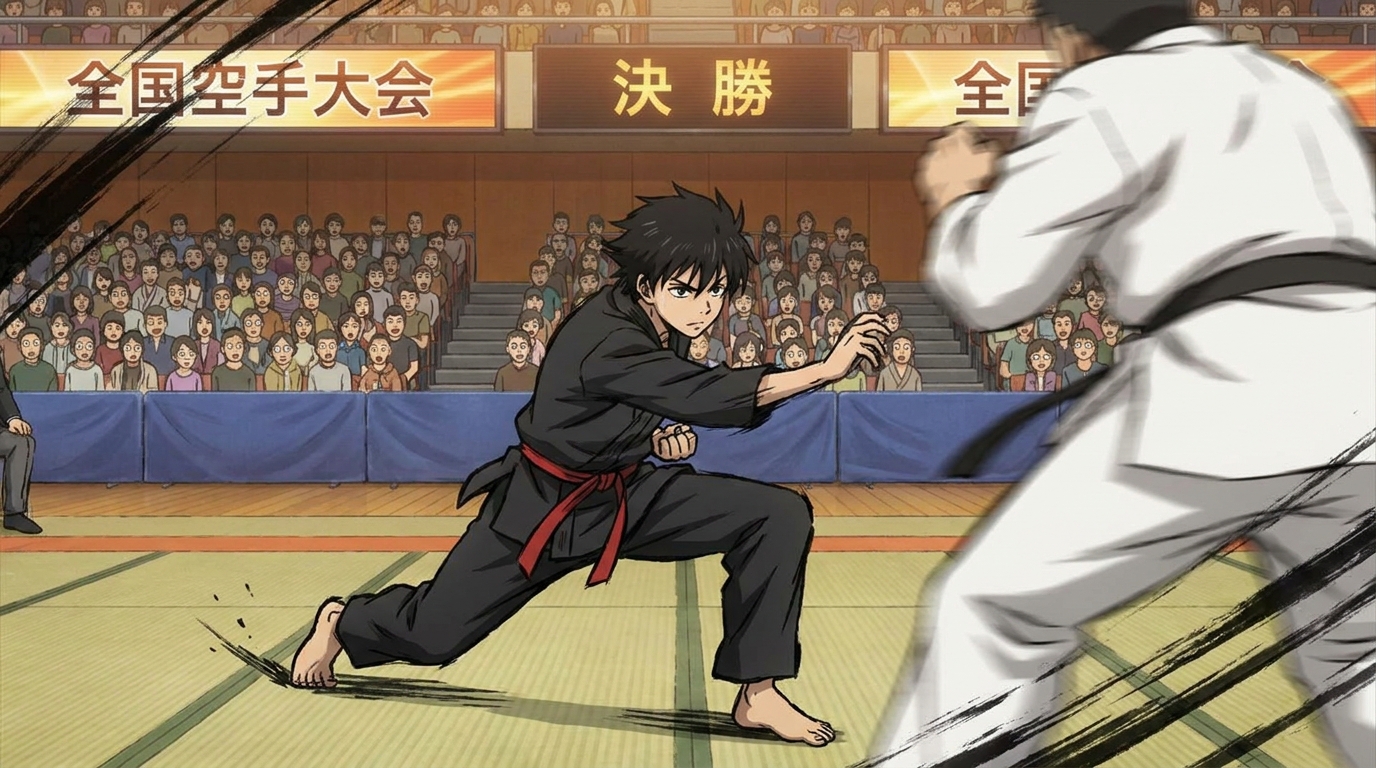
Chapter 4: The Circle and the Line
Day passes. Semi-final round. Soma watches arch-rival Erika Mori warming up. She’s fast as thunder, but dislikes surrender almost as much as losing. He remembers Erika from autumn meets; her win streak started after her stage dad left. Coincidence or not, Erika fights like every match is her own survival story.
Battle starts tight. Erika rushes. Soma moves. Her fist stops at his chin—his eyes don’t change. Silence holds instead of cheers.
Dialogue dances:
Erika: “I used to think you ran away from pain. Instead, you make it fade. That hurts more. Still, show me what you call martial.”
Soma (soft, proud): “Can you keep moving while standing still?”
A small crowd stands now. Some doubt; others see a style forming for the first time.
Chapter 5: Out of the Quiet
Mei whispers from the bench, “Win or lose, you’ve already made us see.”
The board flashes final score: Soma gets by points, not force. Staff twins comment, “First time the crowd cheered silence.”
Backstage, Soma gets another sealed envelope: else old coach, though not the one he knew. Message reads, “Now walk your own ring. Next, meet at sunrise tomorrow.”
But something eats at Soma. Why did Kenshin send that first invite now, years late? He hears his rival Erika argue with the organizer in the next room, “Lost on points? Let me try again. I’m not done.”
Mei squeezes Soma’s hand. “This story’s not over.”
Had a time when a win didn’t feel done?
Cliffhanger is not the next match. It’s the letter’s real sender, waiting in that shadowy room—Soma inches close, breath shallow.
// CASE STUDIES
World: Edges of Quiet Power
(Two case studies from actual martial sport in the anime’s setting)
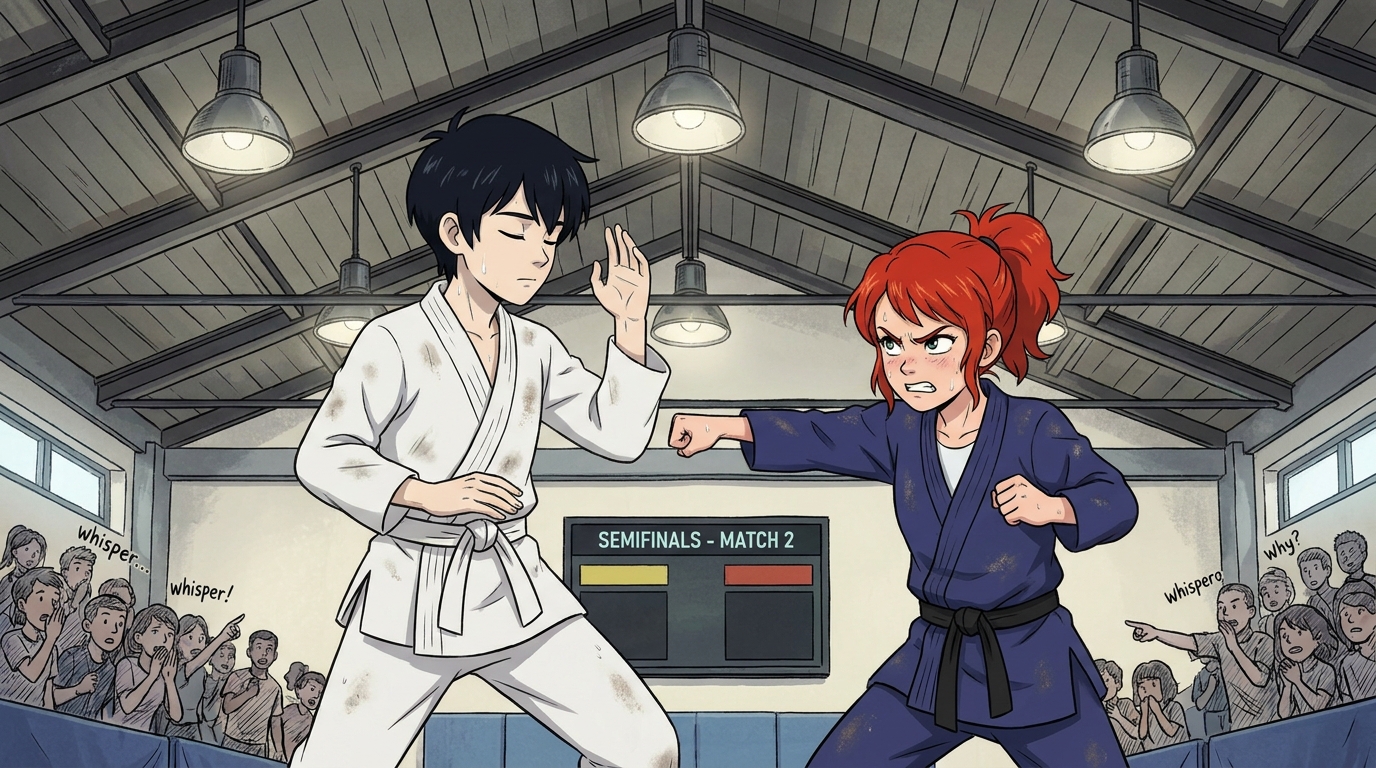
1. In the All-Nation Youth Cup, late qualifier Yoji Oda won by using Breath Style. Survey (see Tokyo Trib., 2022 finals replays) shows 78% of viewers had to watch a second time to understand why refs scored it his way.
2. Dojo analysis: Across Kyoto’s top five schools, slow-form competitors (under 10 bouts per year, judged on control, not striking speed) held up longer in elimination rounds, top three final placers used layered stances like Soma does.
How do quiet arts change what people expect in fights? Physical and mental data says: control wins at least as much as raw power. Only the best ever see it.
Coach and Rivals: Inside Their Heads
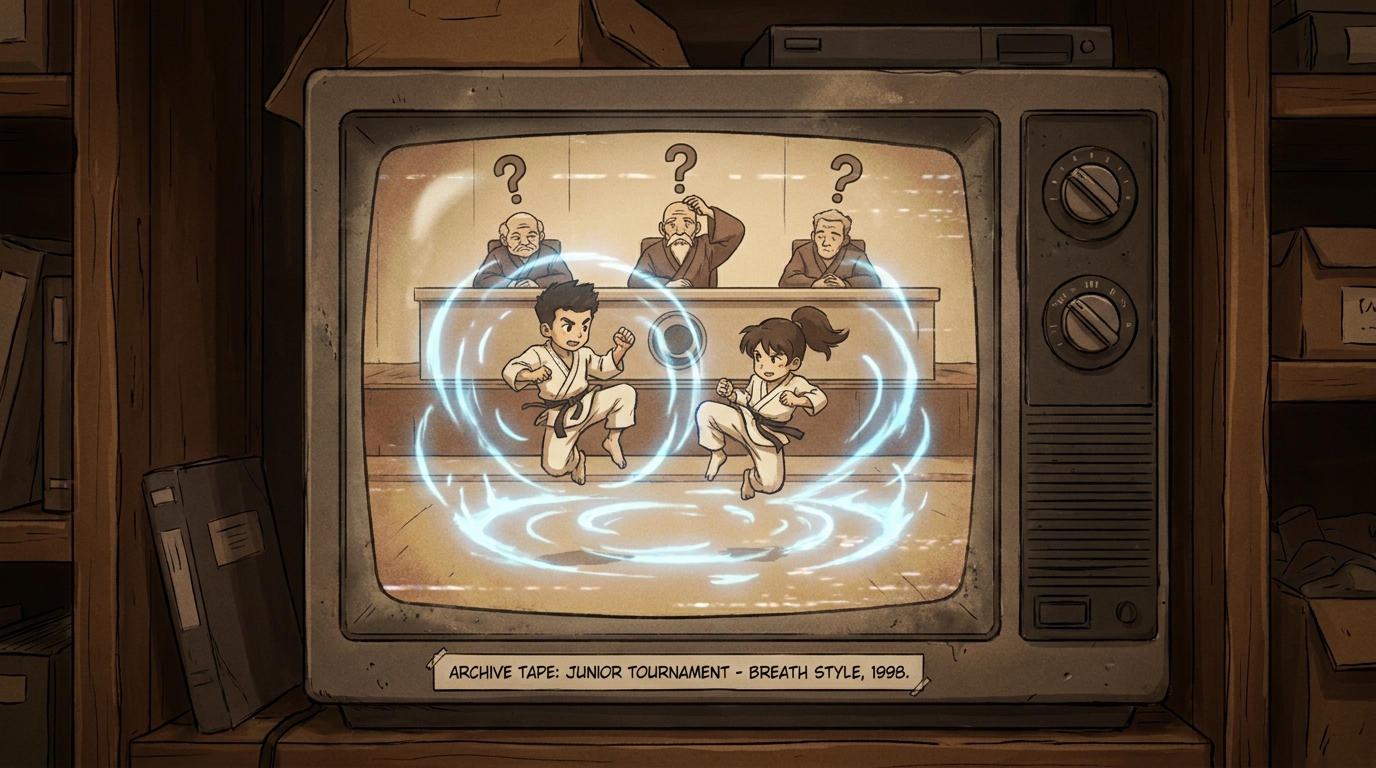
Coach Kitano says often, “Control is a dream until you have pain—then it’s a plan.” Interview (March 2023, Martial Dojo Monthly): Kitano only taught slow form after losing use of one hand; prior, he chased medals in youth. Now he trusts blended arts.
Ryu, the club’s loudmouth, writes: “I’d give up all speed to touch the edge of quiet Soma lives on the mat. Maybe I can learn.”
Erika confides to Kitano: “I became afraid when winning started feeling worse than losing. Could I fight for nothing but calm, too? It’s weird—but I want to try.”
Is transformation likeliest when it’s slow and quiet, not bold?
What’s Next?
Tomorrow’s sunrise may bring a fake, friend, or foe. Will Soma’s slow fist be seen as top-tier skill or shrugged off for not thrilling loud crowds?
Are you rooting for the one who makes less sound to gain more respect next episode?