
Have you ever wanted someone to see life through your eyes, not just hear about it? That’s the hook for this psychological mystery, “The Lottery of Lenses.”>
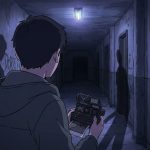
It’s set in late autumn, a hush across the old business side of Minatofuji, where fog traces vague ghosts along brick roads. Kiyoshi Ara, a quiet sophomore, has never much cared for rumors. But last Tuesday, he found a note in his shoe locker: “Claim your new view. Librarium, 7926.”
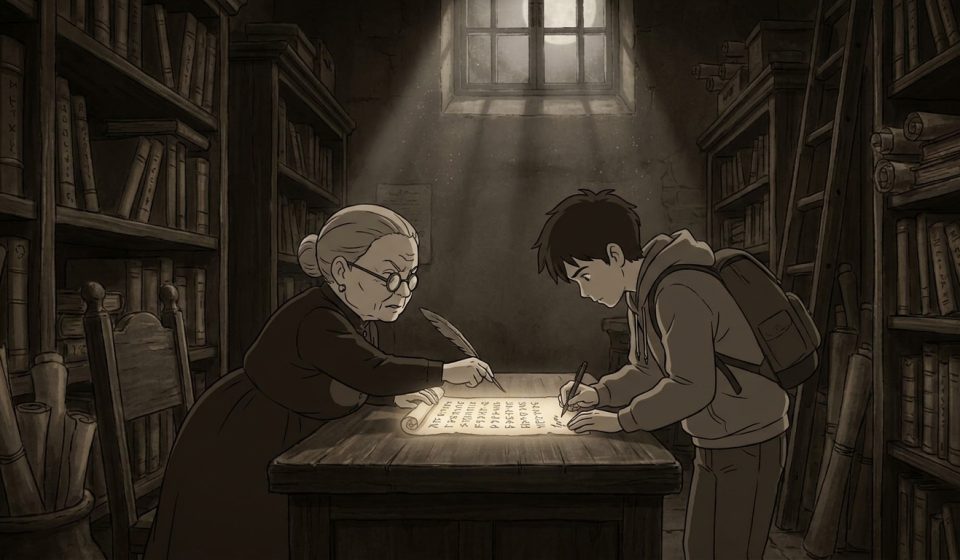
Kiyoshi can’t remember what he’s drawn into. He goes anyway, feeling almost pulled. The librarian, Miss Kakita, small like a crow and with odd round glasses, lets him in to a shadowed backroom. It smells of dust, old paper, and lemon acid. “Taking part, are you? Sign here.” She waves a form, marked ‘Lens Recital Project’.
He shrugs—I mean, everyone wants a bit of mystery, doesn’t hurt to try? That night, Kiyoshi’s dreams are dense, crowded by faces he doesn’t know, all talking at once. He wakes at four. Something’s stuck behind his left iris, prickly and cold.
Here’s where things ramp up. As he glances at mirrors, the vision isn’t his. Brighter noon, voices softer, and the faint outline of someone taller—Ryo Nasaki. The next day, Ryo mentions dreaming from inside someone else’s bed. Kiyoshi plays it cool. Who would admit it? You ever had those days where you wonder if you’re… borrowed?
The news: seven students, picked for the pilot, now experience each others’ senses for an hour at random each day. What’s the guiding rule? Nobody outside the circle ever knows—it resets at sunrise. But as they swap, it’s not emotions leaking. It’s fragments—bits of memory, wants, fears, habits—flashing through new minds, muddy at first, then sharp.
Mari Kisaragi welcomes the shock, claiming she likes relief from her strict home. Kiyoshi only wants peace. Through Chika Sugiura he feels a spike of panic on hearing a simple bell ring. From Rei Torada, there’s an odd concentration, almost burning—except Rei always seems bored in real life. “It’s like someone else steers when I sing,” Rei murmurs during lunch. Kiyoshi finds his own voice echoing that line, long after.
Mistrust sets in by episode three. Ryo pushes Kiyoshi one morning, accusing him: “Quit poking in my locker. My aunt—how do you know about her cry scar?” There’s no sharp answer. How could he? Is it fair if a life goal, or the scar of a deep regret, blooms in unfamiliar soil?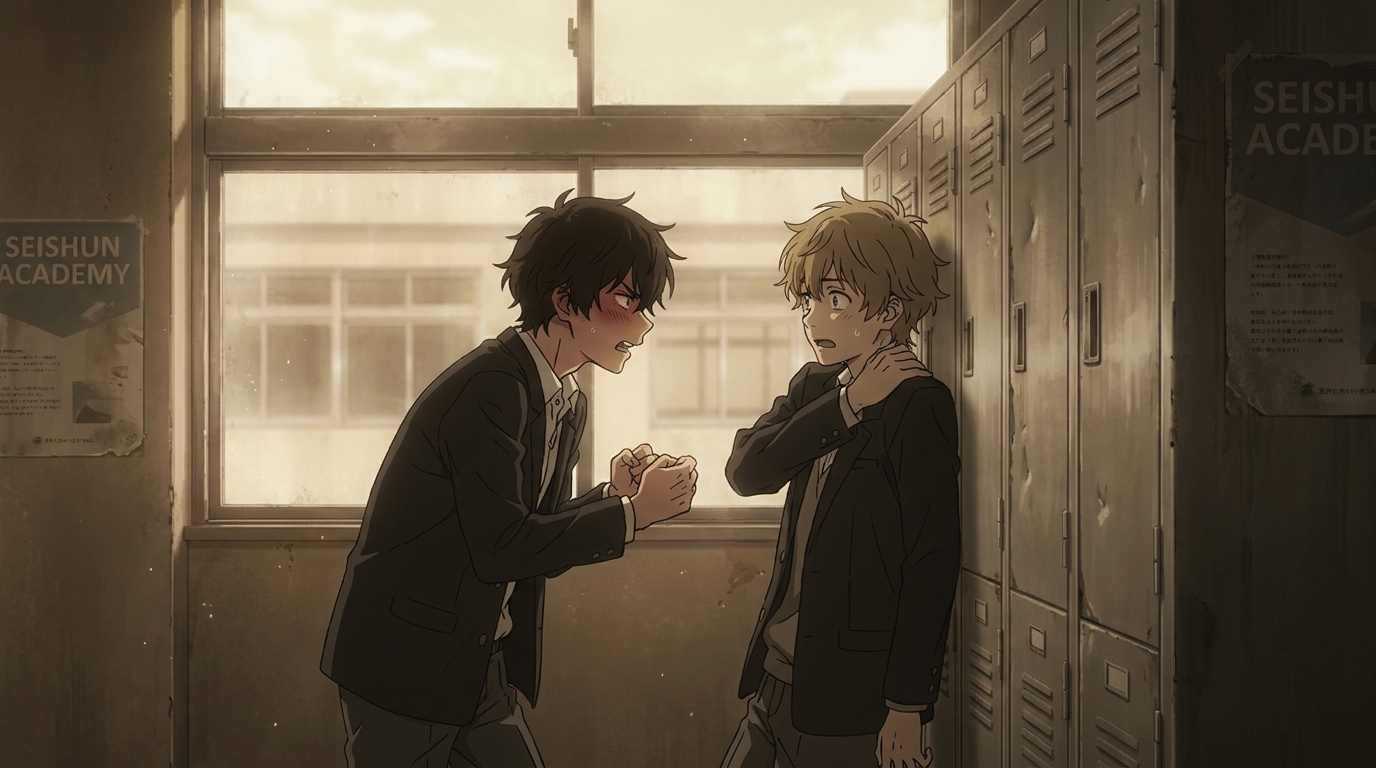
Bonds and resentments shift, acrid or tight. Mari and Chika pass notes—possible code—while Kiyoshi and Rei hold unspoken truce in gym hallways. Who is really saying what, or hearing which truth? From time to time, nobody is sure they’re still alone in their thoughts. One sharp question rises: Is identity safe, if bits can be taken—or gifted—by chance?
By mid-arc, the group tries rules: silence deals, journaling in secret, challenging each other with false memory seeds. They only wind up finding holes they can’t patch—the line between what they live and what they borrow blurs fast.
With each cycle, it’s more than quirks or images, it’s guilt, comfort, longing. Every time they pass a shop, Kiyoshi twitches toward music that isn’t his taste. In class, someone’s crush for the teacher suddenly surges—and nobody knows whose.
Week five arrives. There’s a get-together—first on the roof, then on the low covered court when the rain comes. They talk none of it straight. Chika snaps, quietly: “How did my brother’s fear of bridges boil up inside Ryo’s body? Or was it inside Mari first? Are we haunted, or hollowed out?” Lives feel scrambled, edges fraying fast.
Miss Kakita wanders the court. Ryo calls her out: “What ends this?” She raises one coin—its glass center glinting briefly. “Only when someone gives up all their truth—who they are—fast enough that nobody inside the Project can recall who they were.” The catch–no one knows what part of them goes, or where it lands. Kiyoshi sees all faces turn blank, afraid.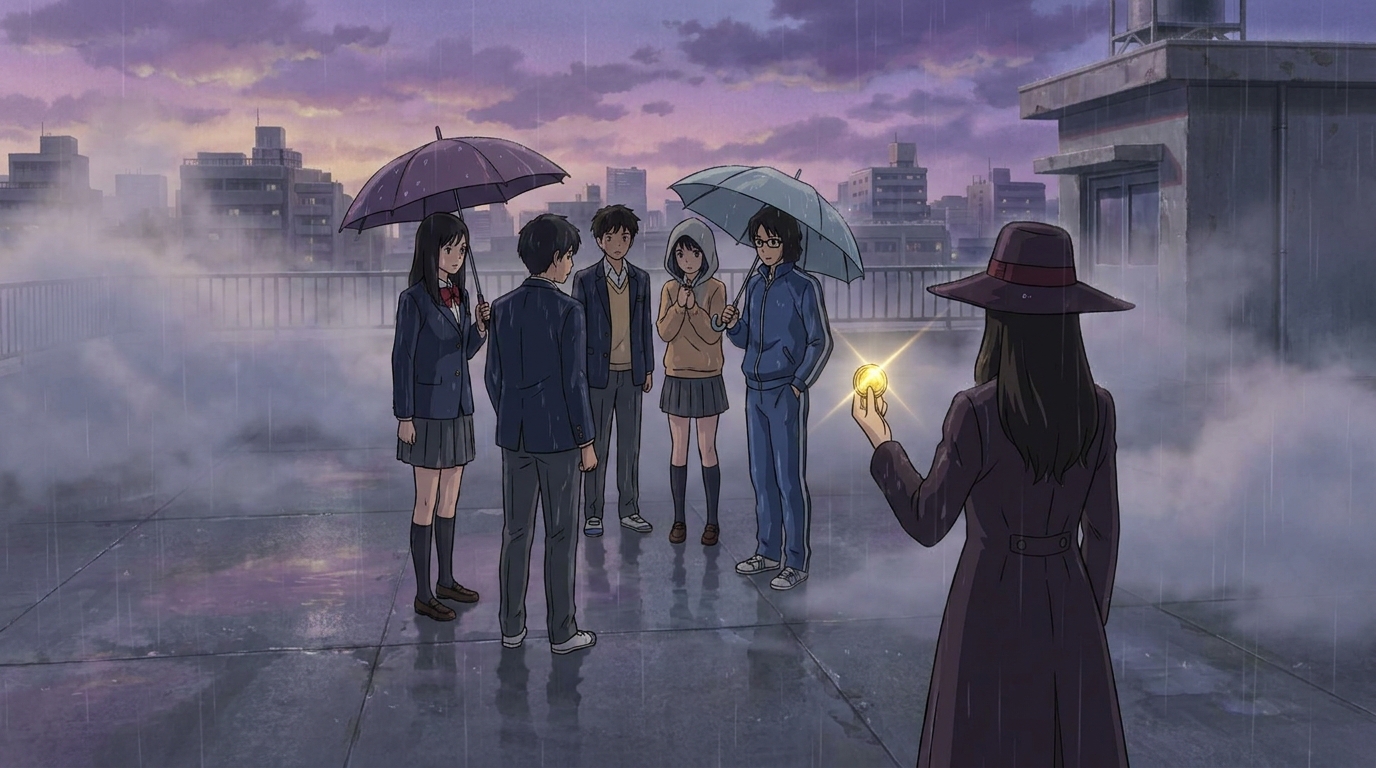
Where do we draw the line? Should anyone ever bear this much from another, willingly or not? Or is truly knowing people worth the slow fade of certainty?
Are you—right now—sure every box of memory, every odd shiver, comes from you alone?
The final beat: Kiyoshi falls asleep in Thursday’s last stanza listening to static in someone else’s mind. When he wakes, every name except his own dissolves, and behind his own eyes there’s a peculiar warmth—like someone else’s tears going dry.
Curtain. Black cutover, violins tense. You want to know: What part of themselves did Kiyoshi and the others lose in the dark? Who, if anyone, can name themselves now at all?