
Arc 1: Ghosts in the Data
Kai Tada doesn’t stand out at his city high school. But he’s not quite average. There’s his skill: he hacks, codes, fixes software in minutes. It’s more fun than most club meetings.
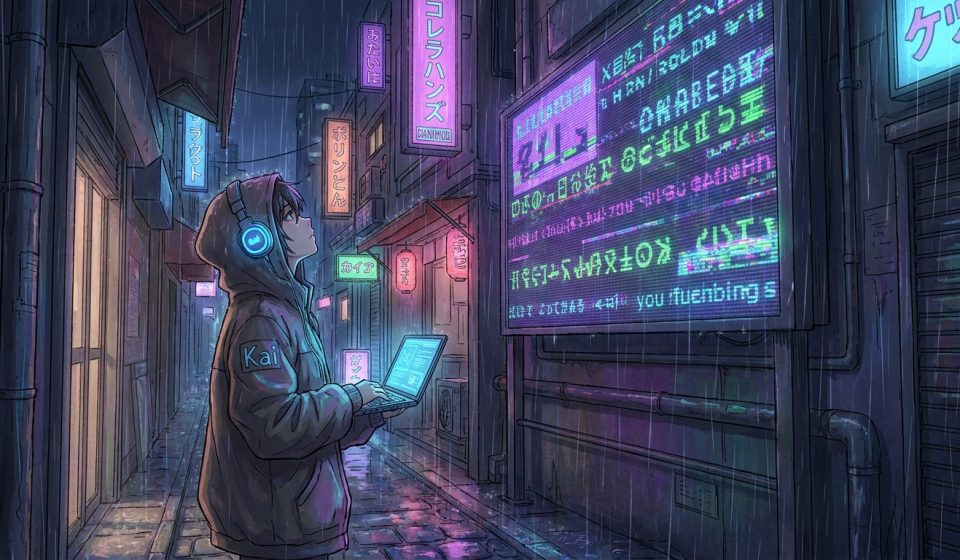
One heavy rain night, he gets a strange message: an ASCII raven, and a line— “FOLLOW THE THREAD IF YOU SEE.” Beside him, Nanami stares at his phone. “What’s that? Some glitchy ad again?” Kai shakes his head.
It’s not spam. It sets off an error no scanner knows how to flag.
He can’t sleep through the memory of the message. By morning, he sees number glitches in city billboards—patterns only he seems to notice. Do these hidden signs mean something, or is his mind making them up? Ever seen city glitches no one talks about?
That day, Sora—their tech club leader—reports all the security cams in the music hall broke last night for three strange minutes. Club advisor Shun only gives them a dismissive glare. No one’s solved it.
After school, they try to break down the problem. Sora’s got his laptop open and diagrams cover their table. “Every place hit by the blackout forms a map. See? Lines up with the route between City Hall and the rail site.” Nanami gasps: “Like… a path? But who’d… who could even do that?” Kai reads the times again and again.
Outside, the storm returns, making neon spills blur over the streets. Whatever this group is, they’re moving unseen—like ghosts on the edges. “Should we send a ping back to your hacker friend?” Nanami nudges.
Kai starts a reply, but his fingers freeze above the keyboard.
Arc 2: Beneath the Surface
The next message comes three days later: “FRACTAL KEY 004.” It’s just in his own source code log—no sender. That word matches city hall’s last access log. They talk it over as a club, too quiet. “What do they want us to do with this?” Sora asks.
Kai runs traces all night, fingers tapping and tapping. The logs point downtown, to tech beacons under neon roofs known only to some club runners and maybe those Ghosts.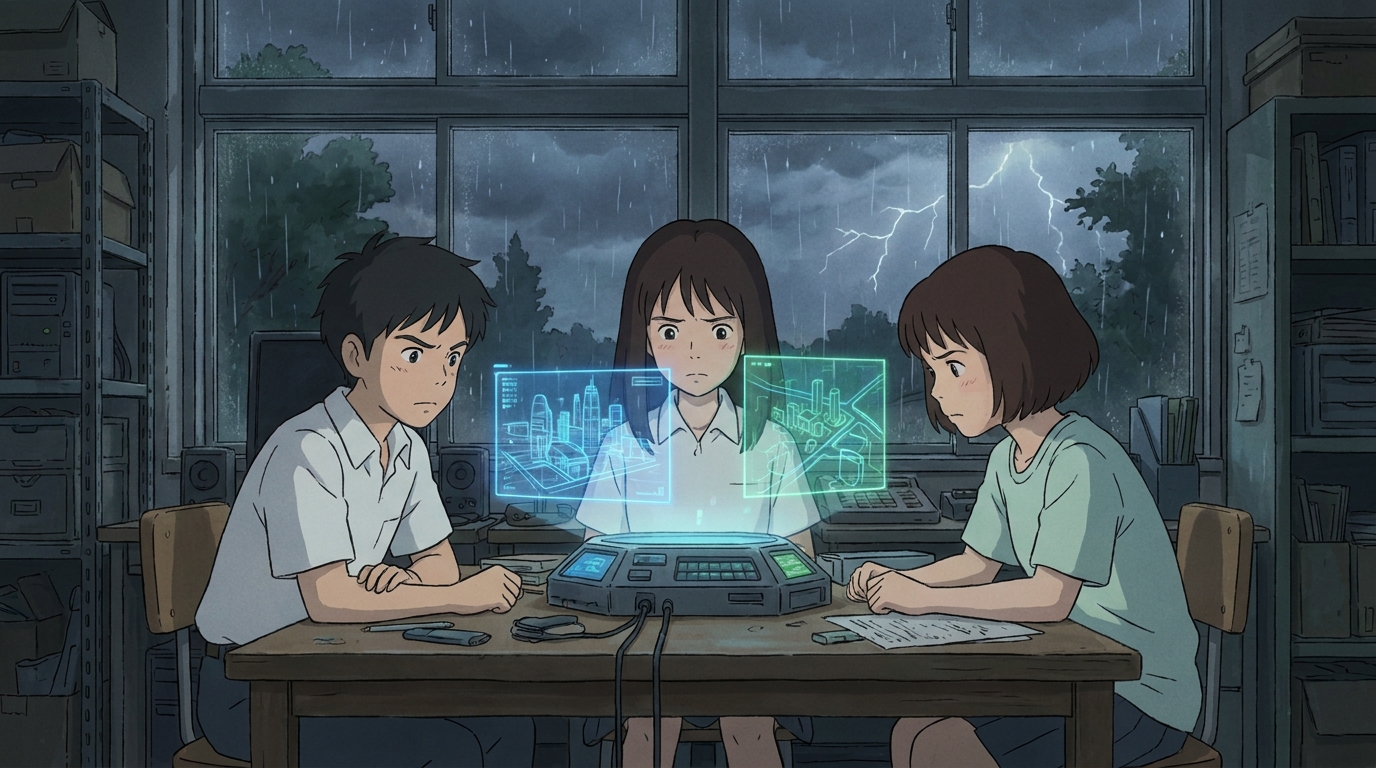
Their old teacher, Shun, offers one warning at his cold club room desk: “Sometimes knowing more draws neighbors who keep to shadows.” Nanami doesn’t hide her shiver. Kai only nods.
Curious and scared, they decide to see where it leads. Using public cams to follow patrol drones near City Hall, Sora guides. They meet a masked woman in the narrow underpass, as the spoken word from before echoes: “Why do you look where others don’t?” She flicks them a sticker engraved with the raven sigil.
At once, police pods wheel past, sensors sweeping old junk and empty soup trays. She’s gone. But the sticker has code-layer sandwiched under normal ink: Reverse it, and plans for disabled city cameras sweep across Nanami’s phone. “We didn’t get pulled into a game… someone’s war?” Sora punches the wall, quiet.
Arc 3: Unraveling the Threats
Now police start to guard more than before. Kai can’t slip through their security nets so easy. Still, nothing stops him searching deeper. Do you know how it feels to chase hidden doors while imagining what’s behind each one?
He connects clues with deep web forums, floats nicknames to draw tips, finds coded photos of real-time city weak spots. Nanami finds the group’s real legend: they call themselves the Veilbreakers, said to swap secrets with city council, business lords, sometimes gangs. All off-screen.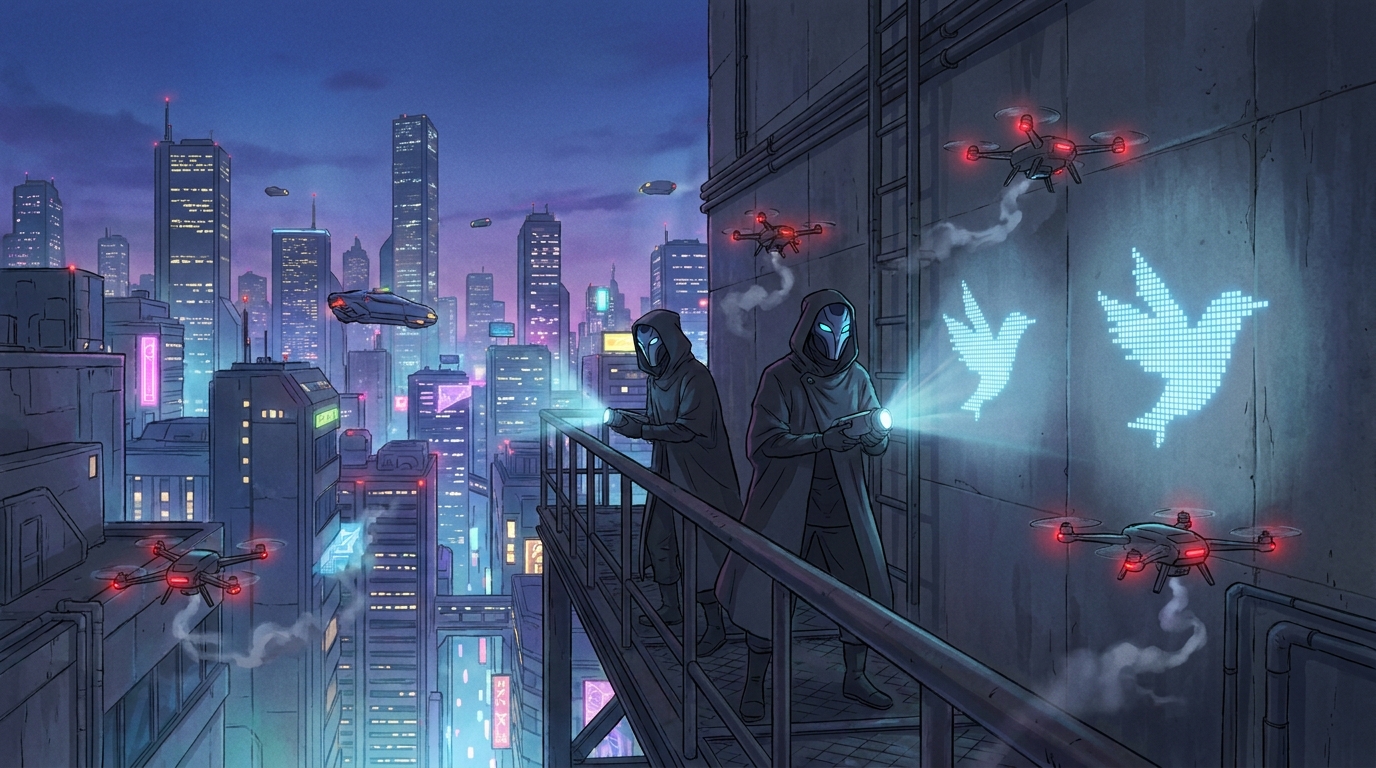
“Truth isn’t what’s spoken on news feeds,” Sora says, both hopeful and scared. Sections of the city lie in mapped zones of Unknown Intent. No leader is known. Faces switch; names switch. But each action leaves the digital bird some see and some miss.
New devious moves scare more than some random hack. School press gets threatening notes, footage gets cleaned in waves. Sora’s family’s net feed crashes if she tries journal sites. Nana’s father (he’s a city tech worker) stops speaking at dinner and patrols every night using his old, rugged drone kit.
“Who’s really running the game?” becomes Nanami’s new catchphrase. It keeps everyone up, nervous. Kai wants to find out, not just for sport—now he’s sure if they stop, no one else even knows to keep looking.
Arc 4: The Shadow Council
They finally track down a gathering spot—the shell of an abandoned data tower. They buffer jams with makeshift masks and fake heat signatures. Inside, shadowed figures debate tech plans to snap control bits on everyone’s home web. Documents flick light against raw brick. “Is that… every school login in the city?” Sora whispers to Kai.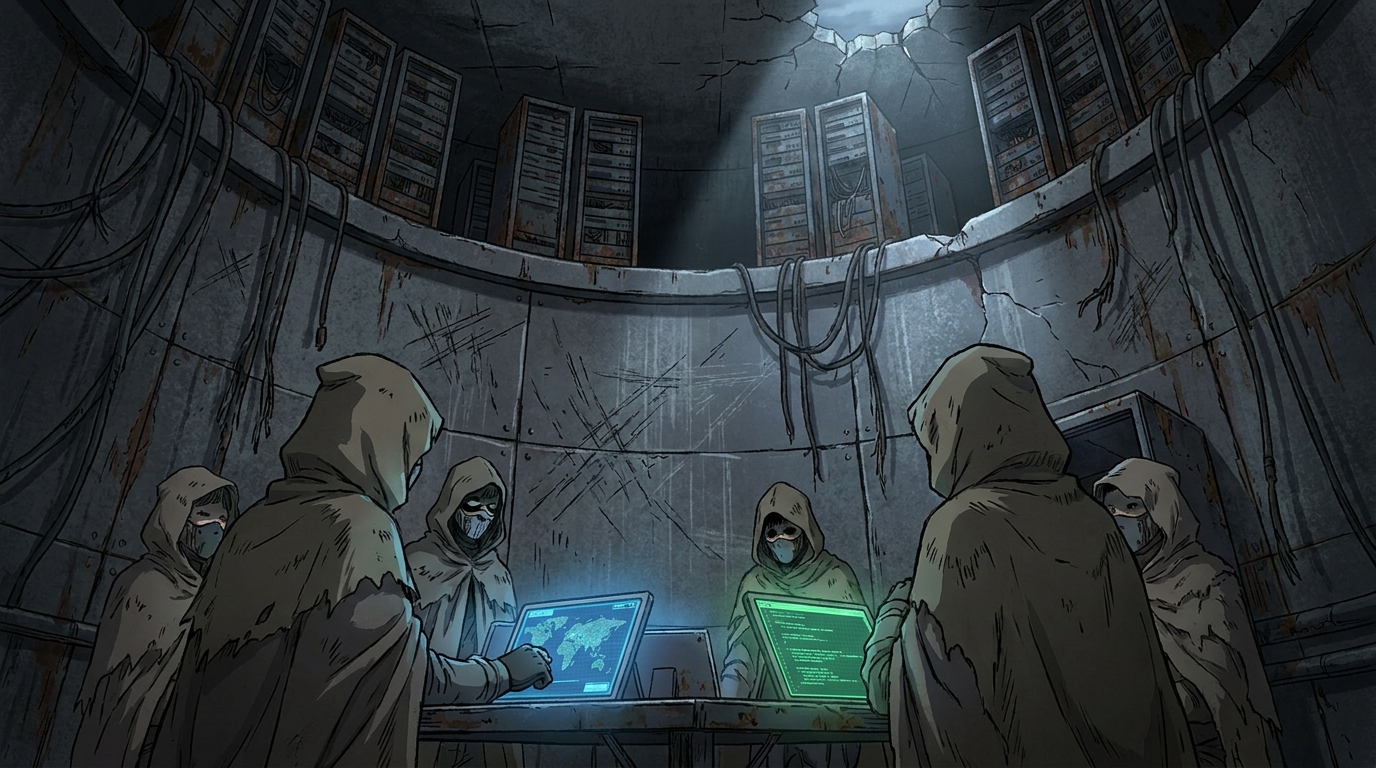
One leader, hidden below deep hood and LED shades, explains, “City control needs more hands. Secrets kept too close form gridlocks.” The encoded bird symbols flash through constellations.
“If we grab the access logs, maybe we fight back—or spread warnings,” Nanami says. There’s steep risk. Kai wants to leap, but if they get caught? It’s not about detention this time. Still, no one’s backing down. They set up devices and use everything they know—one brilliant hack while patrols echo near the stairs.
But as they finish steps for attack, a new twist arrives: one of their allies betrays. The code turns. Each terminal registers their net names along with a burning raven—it means the Veilbreakers now hunt them too.
The arc closes in a rush. Flickered alarms sound, red threat icons Spike on every device. All exit paths light up with life-heat. Sora: “We’re targeted now. No one fades from their map…” She grabs Nanami’s hand, ready for fight or flight.
Arc Cliffhanger: Decisions Underground
Their only option: go deeper. They’ve awakened the Veilbreakers’ own silent security branch. “We move fast, or lose each other out here.” Kai guides, forced to trust hint drops from the same system that watches them.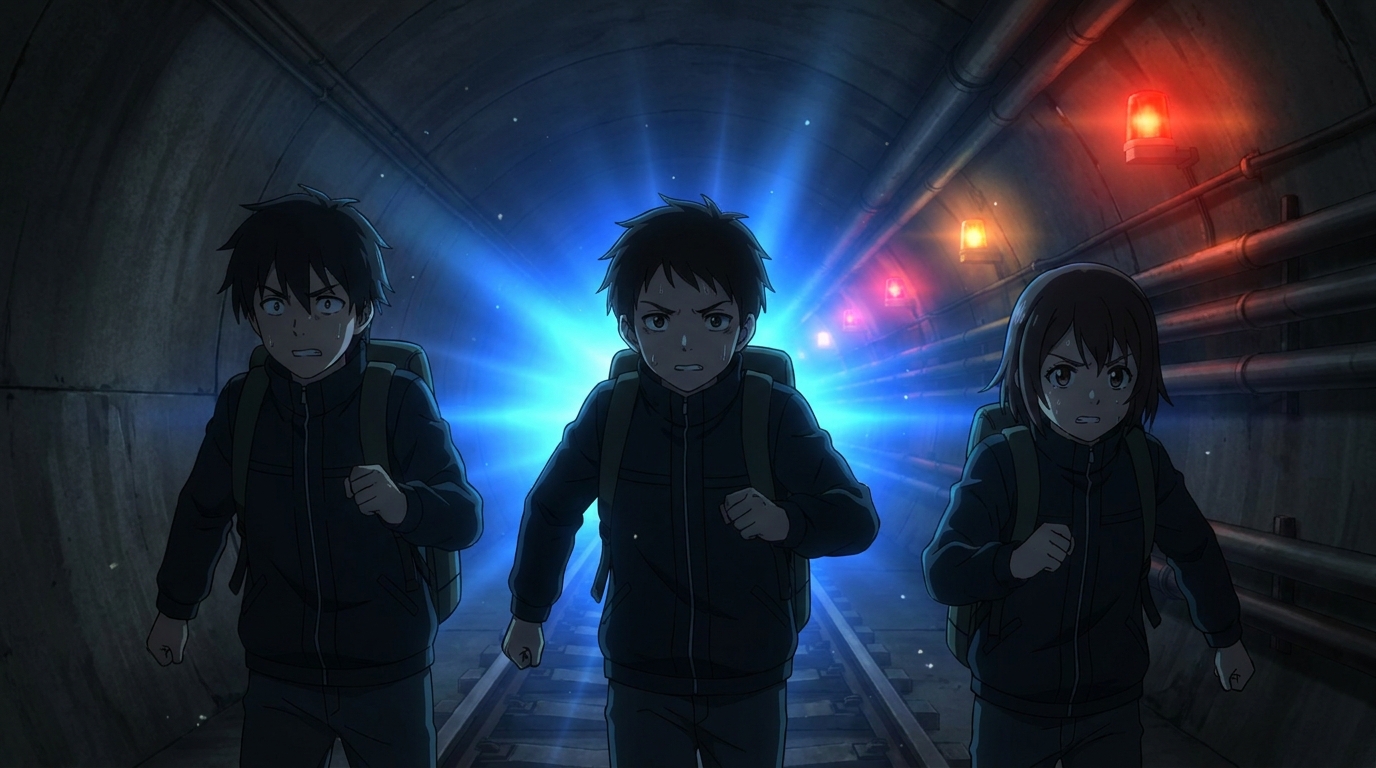
Traditional laws won’t help. Adults can’t keep up. The city’s safe face was always thin.
Do they dump the whole story to the world? Do they hide, now watched at each blink and beep? The lines keep blurring.
As their phones go dark, elevator doors slide open to the city’s forgotten halves, blue glow below rust and static cracks. Destiny—now more a choice than a call.
Next up: What does ‘seeing’ truly mean, when the whole town bets you miss the bleed between code and control?