
Wisp: Shadows on the Crosswalk
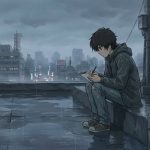
It’s July, and city nights are hot. Tokyo’s neon catches every drop of rain, making ghosts flicker on concrete. Miharu Sato has never seen one, though. She’s seventeen and good at not being noticed, not when she doesn’t want to. Lately, she’s found herself searching for odd stories in closed livestream chats, old message boards, the kind that talk about vanished girls, cursed sidewalks, and unlit roads where the fog runs past your legs. You ever wonder why some places in your town make you uneasy? Miharu did, enough to drag her best friend Taichi into her obsession.
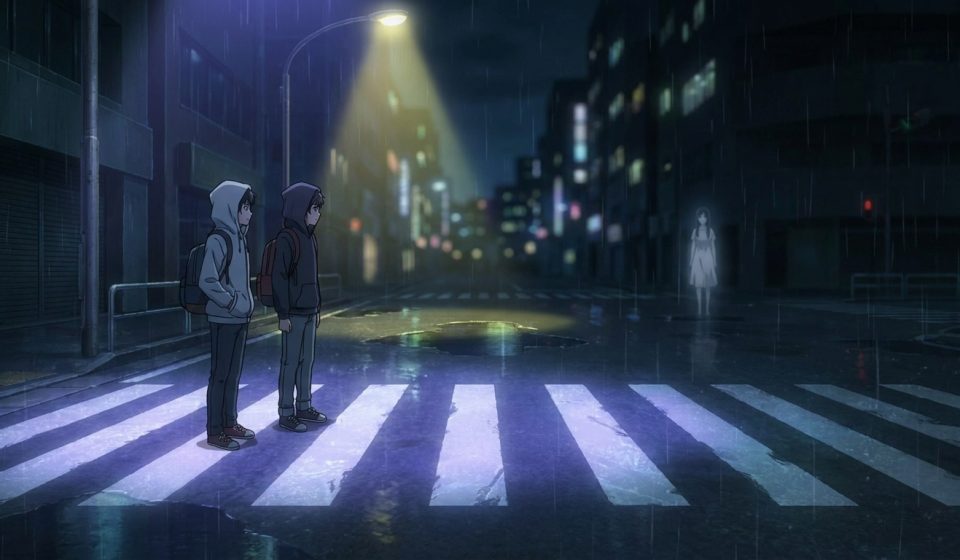
Rumors flow late at night about the Shiodome Crosswalk. They say if you walk through alone, just past 1:11 a.m., a shape will fall into step beside you, matching your stride, pausing when you do. Only, there’s never a sound. Then, two streets over, you’ll be gone. Thing is—folks always smile about it come noon as if it’s a story told to scare those who work too late.
“Taichi, let’s go try it,” Miharu says one night after their rant about student council troubles and dirt-flavored sports drinks. Her dark hair hangs by tired eyes, gives her a lost look. Taichi whistles low. Will this just be another waste, like last week’s ghost vending machine?
It’s set. She brings flashlights, her old charm, and that camcorder she got from her father on her seventeenth birthday. They slip outside at midnight when her family finally sleeps. They dodge cab headlights and late salarymen, and soon the city grows quiet. There’s only the clock ticking, and rain on empty bags blowing by the corner store.
Miharu twirls the old phone strap in her palm. “Do you think she’s real?” Taichi asks. He doesn’t love this stuff. Says he doesn’t believe in signs on city streets. But why did he come, then? The air here carries something neither kid can put a name to. You get that in big cities late at night, don’t you?
The crosswalk looks normal, patches of oil shining under yellow lamplight. But at 1:05 the city drops into stillness. Not so much as a breeze stirs bags or the litter around the square. They check everything: shadow angles, light bounce, even patterns of the stripes, because old threads claim odd gaps between paint is how this urban spirit picks her next victim.
Right at 1:10 a chill cuts Aichi, not Miharu. She says she saw the white figure across the street, not a girl, but like someone underwater. Stories slip between what’s seen and what we expect to see at night, you know? Out comes the camera. Taichi stands still; Miharu smiles at the lens. The clock climbs. 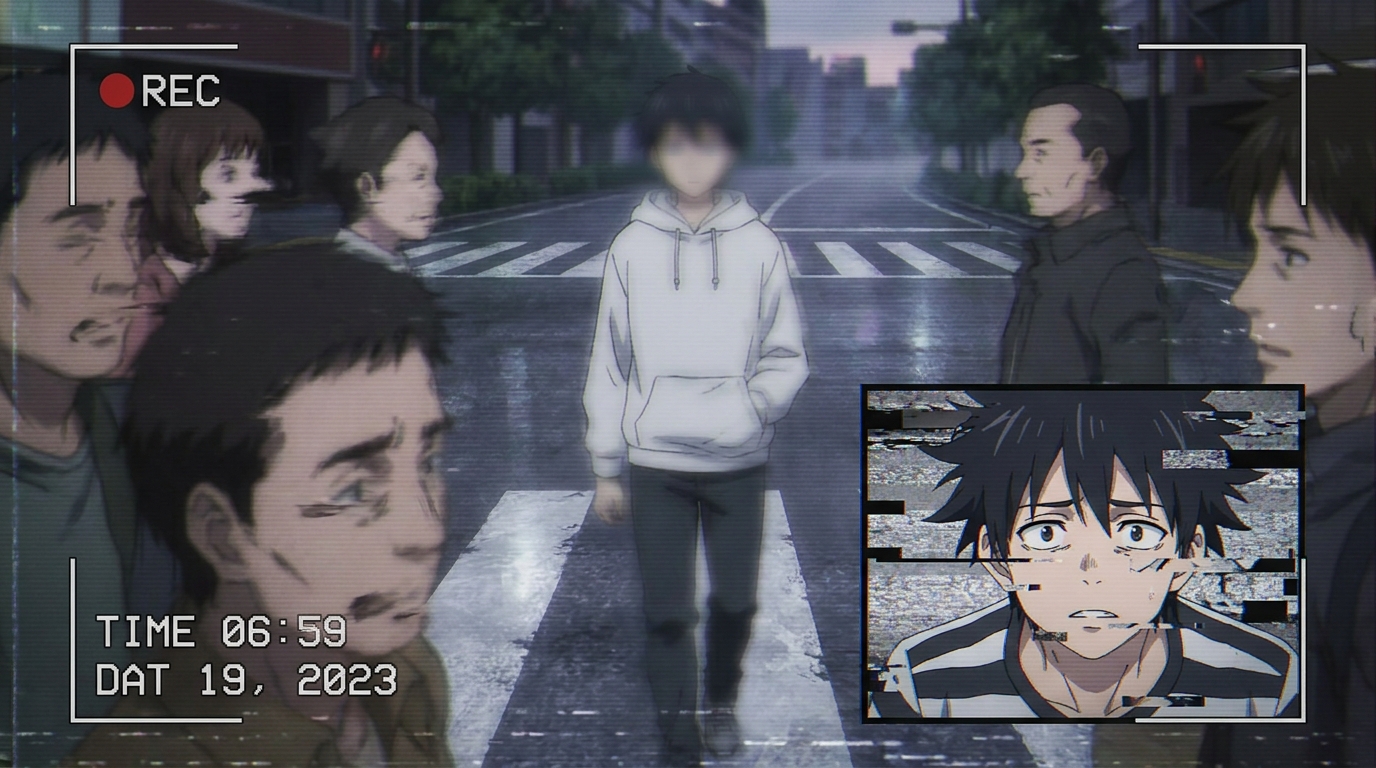
Step by step, the two kids move onto the crosswalk. For eight, maybe ten seconds, there’s nothing but shoe taps and grain behind Miharu’s lenses. Her grip softens. Then—fifty feet off—there’s something where before was nothing. It walks exactly as she does: limp, hair loose, eyes down, waiting at each broken segment. Kawai, right?
Taichi stops. Breath gone. Miharu raises her phone and its screen glitches. The figure’s face doesn’t sort itself—it’s fluid, shifting. Their own voices echo back, tin and sharp. Someone whispers; it isn’t either of them. Taichi says he’s out, grabs Miharu hard enough her arm will bruise. They dash across, nearly stumble over the uneven last paint mark, and spin behind the pillar just as a cold wind nearly sweeps Miharu off her feet.
No steps follow. Their shadows tangle behind them, stretched by the sudden pop of their only flashlight cutting out. Miharu takes out the camera—you ever checked low-light footage shot by a trembling teenager? Smudge blurs, flashes where shouldn’t be, the tilt in static. Slow motion, piece by piece, something crawls into clarity: there’s a girl in white, mouth open as though to scream, eyes blank,-inches off the crosswalk, with shadows bent around her knees. Did all that happen, or was it that warped paint hushing their nerves?
They hurry home without words. Miharu can’t sleep. She puts the recording on loop, freezing at frames where shapes appear, but each time something is different. Was the ghost playing with them long before they showed up?
It gets deeper, because someone anonymous drops Miharu a night text: “Did you get my smile? Come back. Tomorrow.” Her chills don’t fade. Next day, rumors spread that the ghost chooses someone new each summer. Miharu sees ‘new’ threads talking about the duo on ghost forums. Even hard proofs don’t help; it feels like both are being dragged toward another crosswalk she’s never seen drawn on a street map.
Miharu confronts Taichi. “Someone’s watching. We never left, did we?” Taichi, pale and distant, just checks his phone like he expects to see someone else’s shadow falling across their texts. End of episode, hint of laughter on the wind, new camera glitch playing on repeat above their beds. The legend’s grown now. Reader, would you cross late at night, knowing the city watches your every footstep?