
Introduction: Stirring Among Desks
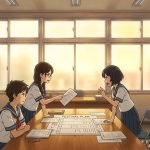
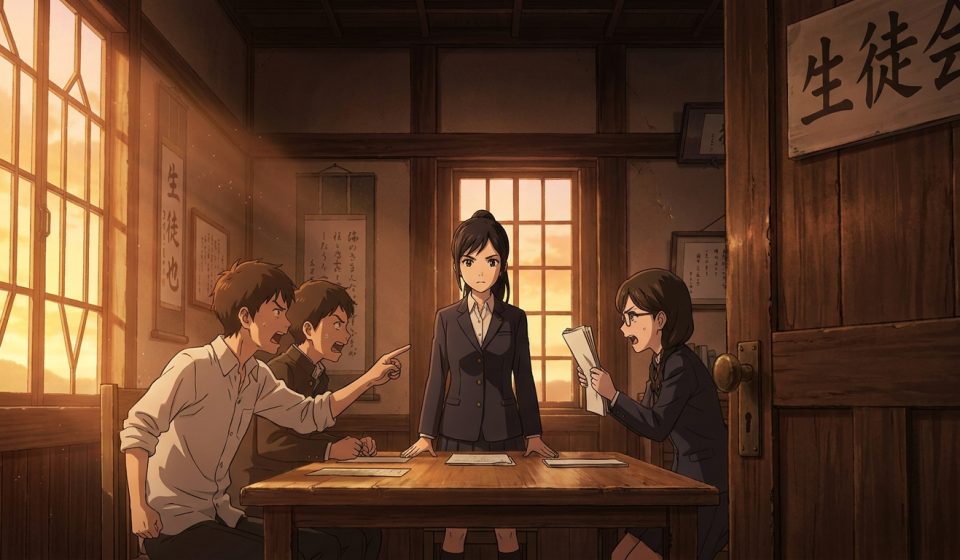
When’s the last time drama brewed in a place meant for peace? At Kaibara Academy, the student council’s ancient wood table sees heated arguments daily. Our lead, Aoi Satomi, steps into office after last week’s vote runoff conflicted even teachers. They didn’t want the paperwork either. Friends called Aoi mad for even wanting the job—he’s stubborn, curious, and can’t stand injustice, especially when seniors push first years around.
Isn’t the council supposed to unite the school, not divide it?
The Cast: Familiar Faces and Secret Goals
Aoi’s allies? A chess fan with gold-rimmed glasses, Nana Mori. Never lost a game since grade seven. People see her smile and shut up in fear, but she always asks about their day before any vote. Second-in-command is Riku Ishikawa. Brags a lot. Bakes the best melon bread in the club room, though few get a taste unless they help clean up. Together they try to improve things. Enter Kaede Kiryu, head of the discipline committee, silent, known for her sharp gaze and keeping all rules on her phone. The old president, Tamao, refused to leave quietly and ‘advises’ most meetings. Everyone else goes along for snacks and drama.
Conflict: The Traditional vs The New
It’s spring. Festival time makes quiet halls bustle for weeks. Kaibara’s thrown one every year for eight decades, always by the same book: rigid, slow, weighted with ‘musts.’ But this year, Aoi wants more music, less marching. There are late meetings. Student voices. ‘Let dancers use the field!’ some shout. The cooking club dares to suggest spicy food tents—never allowed since chili soup spilled in 2009 and stained the principal’s shoes. Nana schemes: ‘Let’s allow it, call it tradition evolving!’ Her grin gets wider as she deals with Tamao’s grumbles about ‘nostalgia.’
Will change ruin their bond or help them stand out? What would you risk to make a mark?
Council intrigue: Alliances and Friction
Committees hate losing powers. Old traditions locked these down long before Aoi’s time. Faced with stares that could break glass, Aoi counts on words instead of threats. Kaede, busy with rulebooks, scowls but doesn’t object. Diet journals pile high as event ideas get traded. Nana types all meeting notes left-handed—some swear she really listens more than she writes.
‘We need a vote,’ Riku states one muggy night. He stands at the wide window, bakery scent in the air. Aoi readies his voice, hoping he sounds steady. They don’t know yet that someone plans to stop all changes, using things hidden in old council archives.
Game of Secrets: The Counteroffensive
Early morning finds flyers pasted on lockers: ‘Save Kaibara’s Spirit!’.
That same lunch break, an unsigned text pings every club president’s phone: ‘Propose too much at the next council, festival may not happen at all.’ Riku stomps the hallway floors flat with stress. Nana feels she’s playing chess without the pieces showing. It’s not only the event—now trust leaks out through rumor cracks. Headmaster Abe privately tells Aoi, ‘I suggest you follow Tamao. Your year is early for such noise.’ Does power refuse fresh hands so easily? Even Kaede flinches when the word ‘coup’ comes up in student chat threads.
Development: Tug of War by the Clock
Aoi doesn’t stop asking questions. Over mid-week tech issues, Kaede mumbles, ‘Warning: break too many old ways, and some pull newer ones down.’ That stings, but Aoi orders melon bread in Riku’s honor and grins at Nana. She spreads out school surveys. Pages full, rows long, nobody silent. Friday’s session: over 45 votes, mild yelling, someone suggests duel-by-arm-wrestling to settle things. Committee juniors surprise with mock protests, holding handmade posters on classroom balconies. Even the teachers grab snacks to watch the odd parade. Sometimes change shows up dressed in odd clothes, right?
One night, Aoi finds a tattered folder dated 1964, stuffed in a drawer no one’s checked since. Inside: school-wide arguments and festival breakdowns from years that nearly ended all events. Just like now. Nana reads the notes out loud, voice flat: ‘No festival at all these years. Absurd cost.’ Aoi posts them on the council room door. ‘Let’s learn what’s gone wrong so we fix it, not fear it.’ Looks like nothing at Kaibara is set in stone, for better or worse. 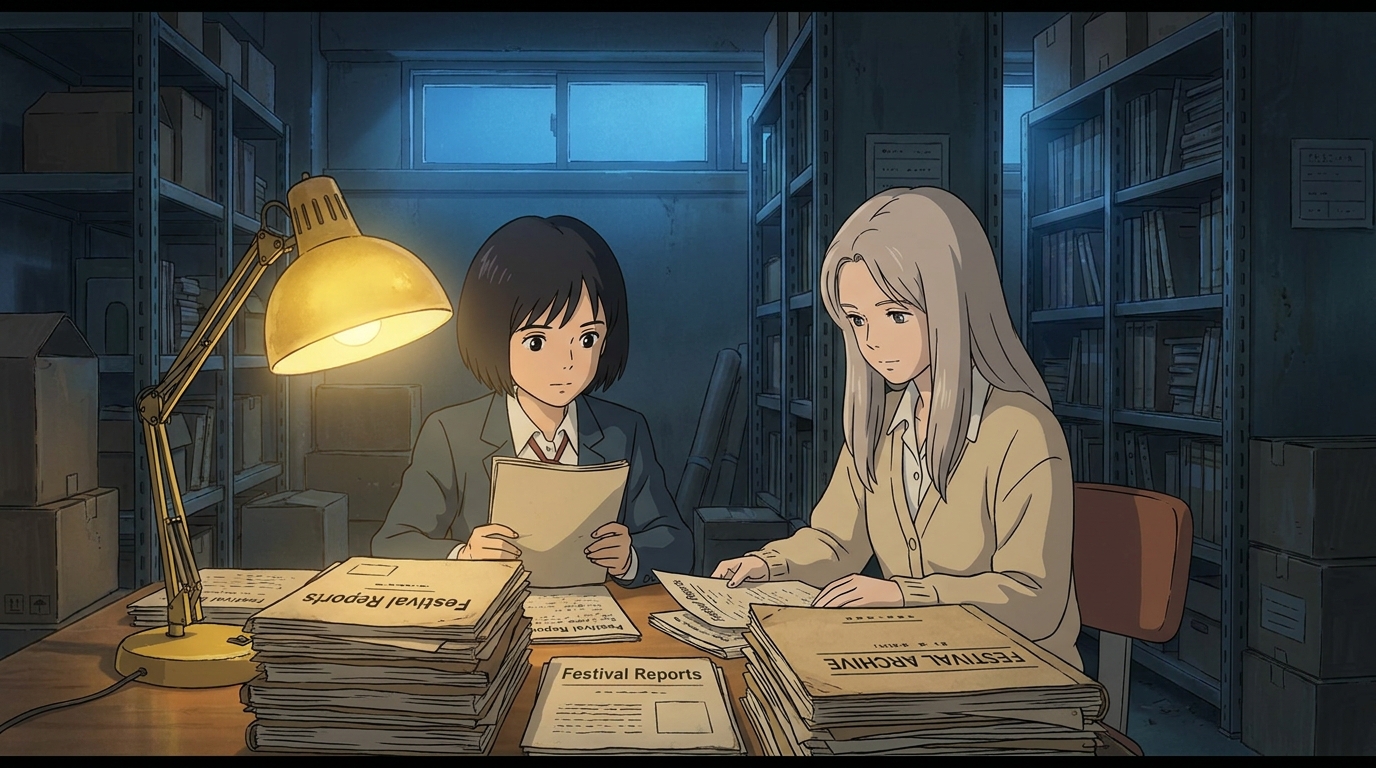
Case Study: Standouts and Studies
Data from school feedback trickles in. One class wants an outdoor dance, another prefers quiz battles. The cleaning club proposes a mystery maze. ‘This is fifteen more options than last year,’ Riku groans late one Friday. Bread disappears in seconds. Aoi surveys nearby schools—data shows schools with mixed-up festivals draw three times more guests. Success leaves marks where change walks in. The old president, Tamao, brings faded photos from when they were council head. In each, kids grin, soda cans raised. “We broke some rules too,” she confides to Riku, before warning, “but the tables got replaced the next week. Your call.”
Development: The High Stakes Council Vote
It’s the deciding day. Voices hush as opinions fill the council’s chilly room. Most hesitant, two stand ready to fight. Kaede, finally, closes her rule-book, agreeing to only one new event: the spicy soup stall. Nana slips a sticky note to Aoi: ‘They need rewards.’ Aoi launches into his pitch for openness—nothing wild or dangerous, but kids want fun, not repetition. Nana supports with quick math on how flagged stalls saved time last year, even boosting cleanup crew speed.
How many times have you seen courage look so mild? Do you think small steps mean someone’s backing down?
Expert Insights and Anecdotes
“Never fear looking foolish when proposing better paths,” says Sensei Junpei, advisor to five council generations. He shares details about the 1987 school riot where rain ruined festival tents, yet core traditions returned. At Okano High nearby, blending the cosplay contest with an old folk dance last year made Instagram scores spike eleven percent, according to their student advisor, Ms. Nagano.
Nana, lost in data, finds nothing will silence the loudest critics but proof. She says to Aoi at sunset, “Maybe start with whatever the loudest voices claim you shouldn’t. If they see it works, the rest fall in line.” Aoi agrees but privately hopes the gamble isn’t too big to fix by apology.
Resolution of the Conflict? Not Yet
The festival setup day dawns yellow. Tents go up fast—this year it pours again, but the meals still smell rich. A senior drops a bowl chasing a rumored ghost by the back gym window. Instead of scolding, Aoi helps mop the spill, then arranges another taste test for spicy soup. The crowd cheered. Still, council enemies watch closers. Nana meets a possible leak in the supply shed, glaring with a soft laugh, “Isn’t this also tradition—to try to block the young?”
Inspectors post notes as loud as warnings, teachers peek from classroom doors to note if fun melts order. Riku chases a rumor to the roof, convinced some seniors plan a bonfire protest at sundown. This isn’t just about a night of music now, but Aoi’s place—and maybe his group’s future—in the school hearts.
Cliffhanger: Firelight on New Ground
Sunset finds the new soup a house favorite, and people start signing up for more events quite freely. But as Nana looks at the crowd, smoke starts curling up beyond the soccer field—someone did light a small fire as protest after all. Screw tradition, or save it? Do you think Aoi will drive people back, or join the path toward it, reforming rules in motion?
Would you, in that moment, risk your place on the council to make fun last for all, not just some? How far would you let things get before calling it too far? That’s where we leave it for now. Watch what happens when loyalty’s tested by sparks—some that cook, others that burn.