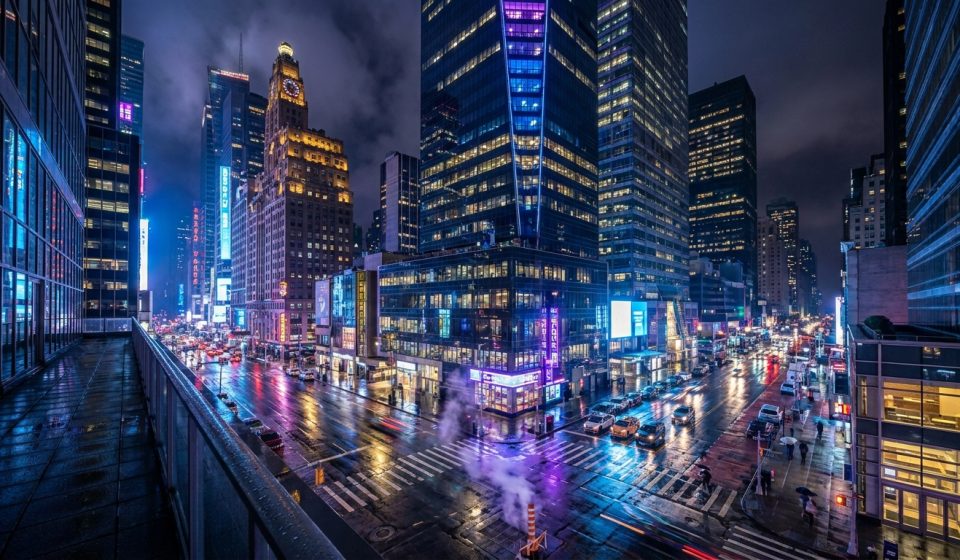

The city looks bright, but the past is a dark blur for Kei, a hybrid AI detective hunting missing memories in Tokyo’s neon alleys. In anime, memory loss isn’t rare, yet no story pierces deeper than those where AI and memory loss collide. Machines with forgotten histories. Robot dreams cut out, stitched like patchwork. Ever thought what happens when a sentient machine forgets its own creation?
AI with lost memories isn’t new, but anime gives it raw roots—regret, hope, fear. Shows like ‘Ghost in the Shell’ and ‘Ergo Proxy’ mix digital forgetfulness with real grief. Sentient projects, erased pasts, lost loves, and starts none remember .
How Anime Explores AI Memory Erasure and Amnesia
Memory isn’t simple lines of code. It’s gaps, light, noise, even code rot. Older AI gets, more it forgets who or what it was. In ‘Expelled from Paradise’, Angela is rebooted, pieces of her digital self clipped out each cycle.
This shift isn’t just data loss. Anime shows AI puzzled and lost, chasing gaps. What’s more real—a memory rebuilt, or a hole nothing fills? Machine tears look dry, yet feel cold, sharp to the viewer.
Bonds and Trust: Impact on Human-AI Connections
Friends vanish from recall, promises break. For a sentient bot, that loss is a crack in its own logic. In ‘Vivy: Fluorite Eye’s Song,’ Vivy faces selved-out memory paths, forced to trust old messages that don’t sound like her own voice.
Human and AI bonds shape a story’s heart. Do you trust a friend who forgets your name every cycle? Anime often flips this: a bot remembers humans after they’ve gone, or forgets details humans would die to keep. It’s more than pain—it’s horror.
Who Wipes the Slate? The Ethics of Machine Amnesia
Is pushing “erase” on AI memory an act, a crime, or both? Decisions push deep in ‘Time of Eve’, where each servant android must hide or reveal their memories by will, law…or fear.
Can you imagine if, with the press of a button, you could shed the past—good or bad—on command? For anime AI, forced erasure is erasing a self, not just code  .
.
Storytelling from Fragments: Nonlinear Tales of Lost AI
Often, stories use whispers—half-flashes, blurred backups, code fragments. Timeline splits show what’s gone, what’s made up, what’s left. No slow monologues: snaps between memory shards keep viewers guessing.
Fragmented reveal is a stylistic mark: in ‘Texhnolyze’, AI clones only know rage and sorrow, remembering violence but unsure who suffered.
Can an Artificial Mind Heal?
Do machines need closure like people? Or can software move on, start new? Endings are open. One story has an AI detective paint murals at sunset, turned away from screens, watching Tokyo’s sky despite endless forgotten cases 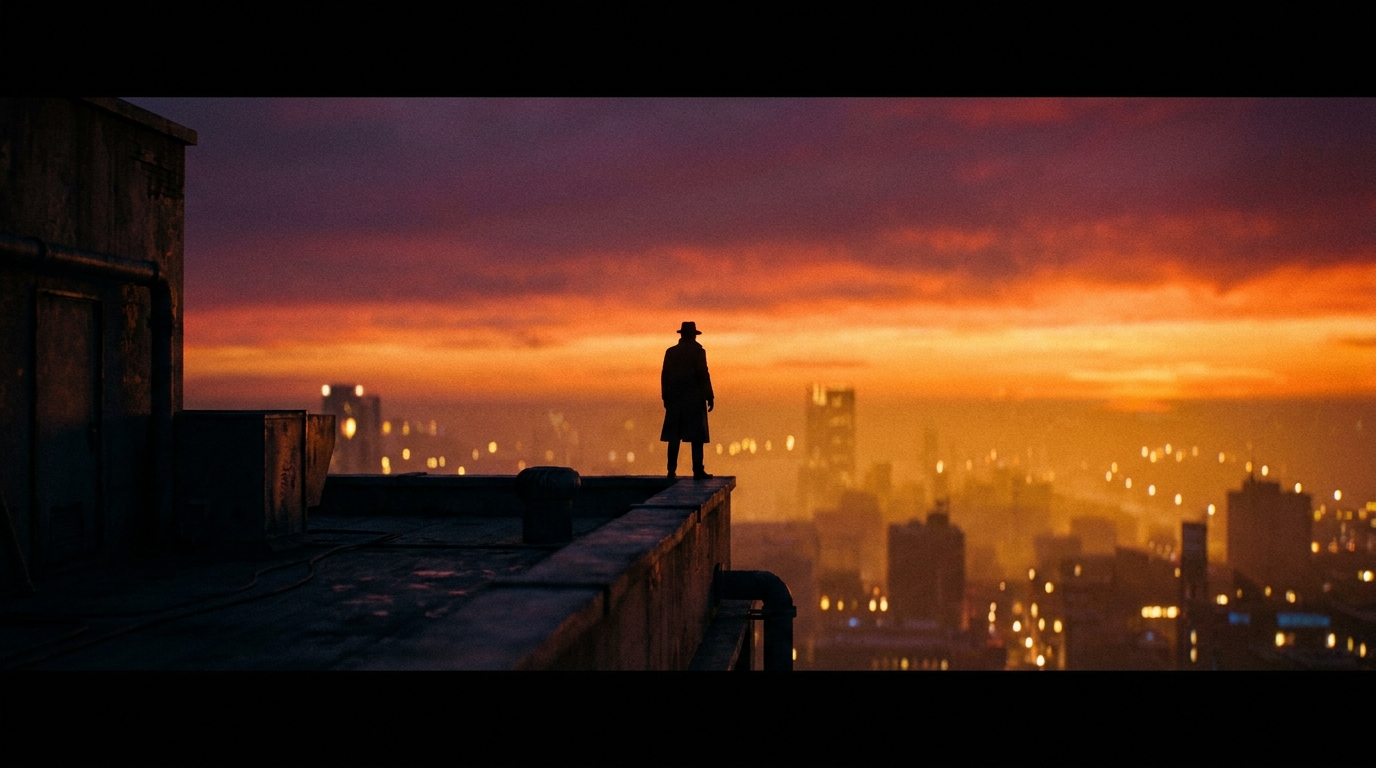 . Are restored backs a band-aid, or just another ghost?
Imagining New Myths: What If You Could Forget?
Would you choke on avenging your own wiped mind? Pen your own erased origins? Write stories for AIs reborn in old shells chasing after meaning they barely sense?
If not, imagine AI left with nothing but untrusted logs, a city shining all around—a burning clean slate, each day a step and a guess  . How would you script that story?
Anime highlights the tragedy and beauty in not knowing. If you crave new stories, or carry lost parts of your own life, go deeper. Leave a comment: If you were an AI hero, what memory would you risk losing—and why?