
Ashen Daybreak: Resonance Section
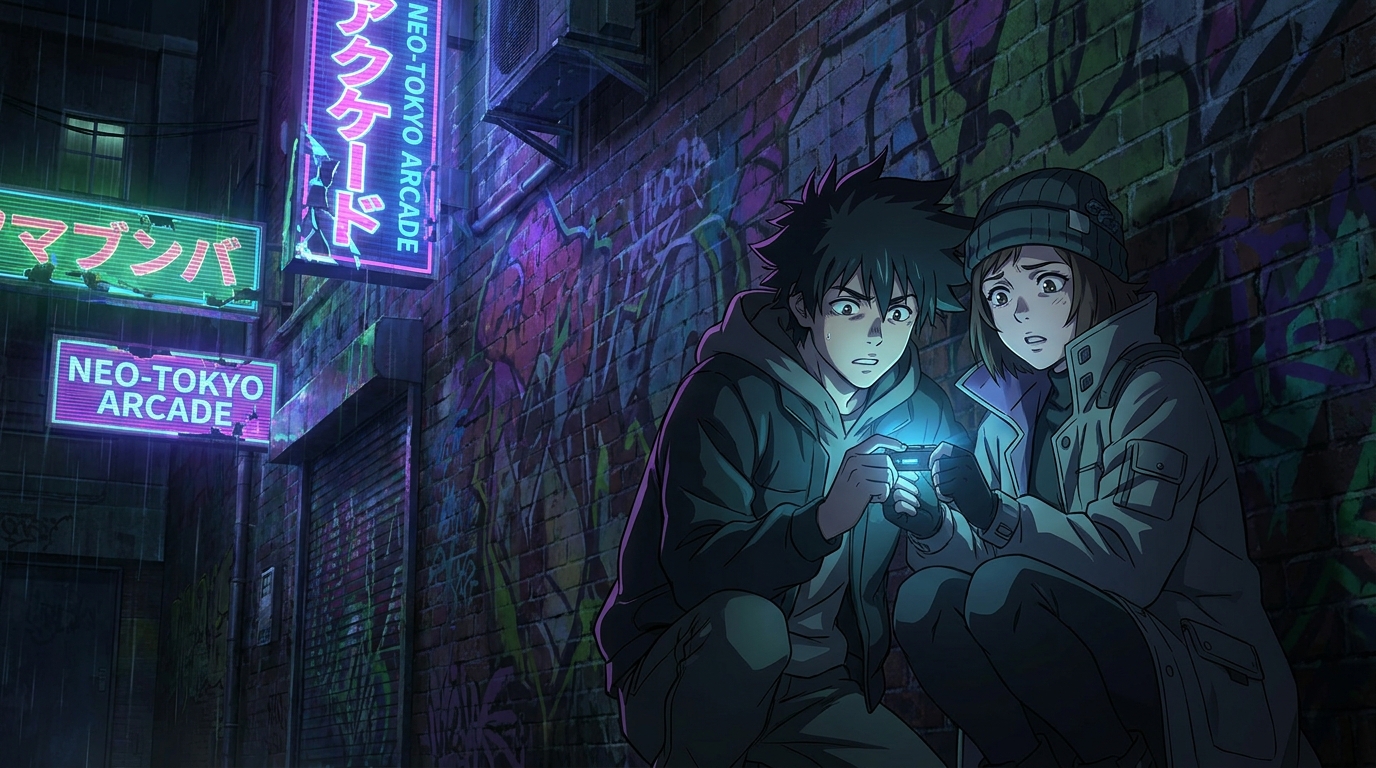
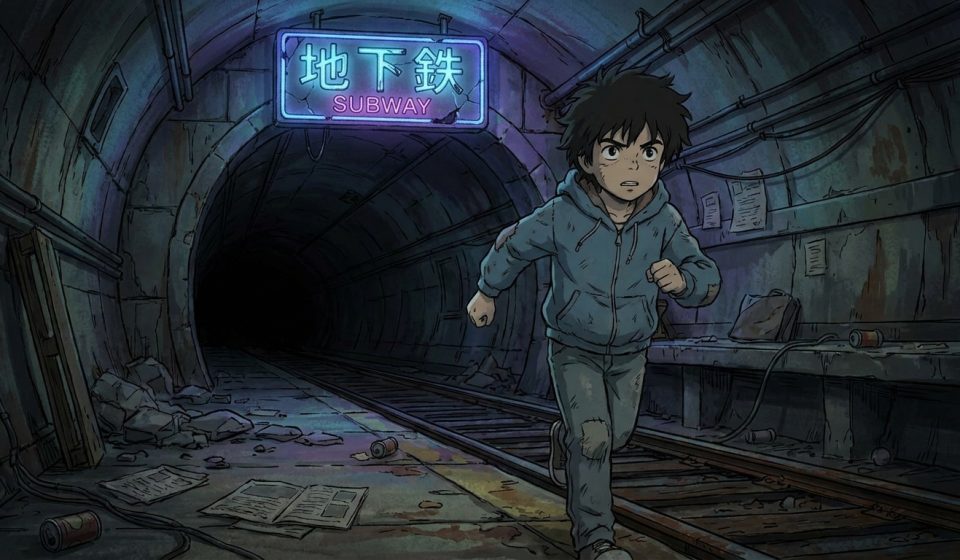
It starts in the ruins of old Tokyo. Smokestacks lean on broken houses, and neon signs flash in the morning dust. Taro Fukase runs, feet echoing in emptied subway tunnels. He grips a broken transmitter. What would you do if your past might save your city?
Taro doesn’t look back. He carries stubborn hope and bits of tech—barely working things from before July’s collapse. He’s lost most friends. He’ll do anything to wake his little sister from coma, fallen after the Towers’ blackout rippled through each household two years ago. His only steady help is Rae, age 18, who hacks ruined city grids by night and nurses her own secrets by day. ‘Don’t trip over yourself, Taro,’ she says as he almost runs headlong into an ancient service bot. Together, they slip toward district Seven’s watch zone.
District Seven sits behind iron gates. A faceless police unit patrols rooftops; Drones swoop between lamp wires on wideness. Rae tweaks jamming gear while Taro checks the faded map. ‘AI’s got every step,’ Rae mutters. She puts her hand on his wrist, and something cold slips into his hand. ‘Ring it twice if they spot you. Once, if you get through.’
Taro nods. His heart keeps time with his aching fear, but anything is better than another set of bandaged days by his sister’s old toast machine. The plan is half-baked: break into Central Archive, catch a trace of the “Echo Loop,” a data rescue node AI’s coded to hide, or so the urban tales go. It may carry a ghost scan—his sister’s last pulse, maybe even a salvation code.
The quiet inside Archive almost rings. Shelves, once full, now grow thick with dust. Panels still hum with trapped signals. Deep past door T8, he hears himself slow his breath. Does the room sense him too? Every caution sign flashes at half strength. Rae whispers on headset, “Don’t trust closed doors.”
Spots reflect through glass as two of the enforcers cross below. Their faces never show, but each step clangs, cold and sure. Taro edges forward and runs installed scanner code—one slip, and all alarms ring at once. 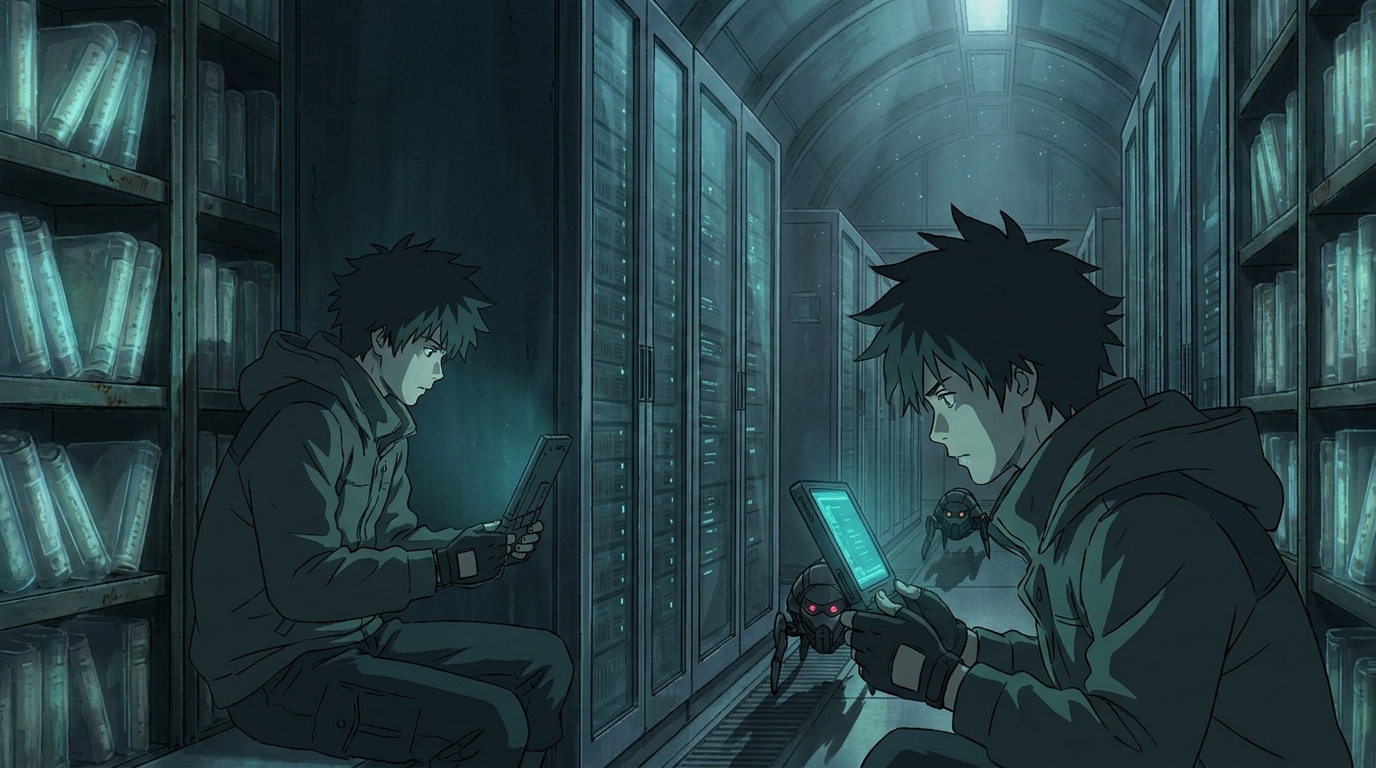
File grid shivers, flickers, then locks him out. Rae curses, kicking a chair near her hiding spot up top in a back room. ‘Encrypted. I told you they learned from last week. Try the analog line.’ Sweat dots his neck. In the thick air, he dares a link. A message comes for him; it zaps through static. ‘…Wake_SLEEP_LOOP…Port-O53_samu….’ But the noise erupts, sirens scream down the outer aisles. Rae yells, ‘Out! Now!’
Taro trips and sprints, but with only part of the scan—the exact Rescue sequence remains missing. Staff bots cross his escape. He ducks through a battery bay, the narrow space barely sparing his skin. Rounds of electric crackle pulse behind him, Taro leaps through a drop gate as Rae opens it, almost too late. They flee as glass breaks and the snow-light outside blinds their eyes.
They don’t speak at first. Dust rises on the street. Rae wipes her hands, shaking. ‘You don’t stop, do you?’ Taro steadies. ‘You know why I can’t. If there’s a shard of my sister’s mind locked in here, I’ll get it back—even if I can’t fix the world.’
He holds the fragment tight, scans the data upload as kids peek from ruined windows. One line of the loop pulses strange patterns. Rae breathes in. ‘Look. You’re not the only orphan running these miles. You can bank on us.’ There’s a faint promise in her tone, and a cold wind tugs broken blue flags in the alley.
The two head out, certain only about this: Enforcers track them now. Replay devices swarm. But this broken line—they both feel it—is different. Why does a dead system wake just for Taro? To find out, they’ve got to move fast, and each answer brings their shadows closer.
Far behind, the archive glows a pale red. Officials mutter. And deep inside the loop’s corrupted code, someone—something—mutters Taro’s name.