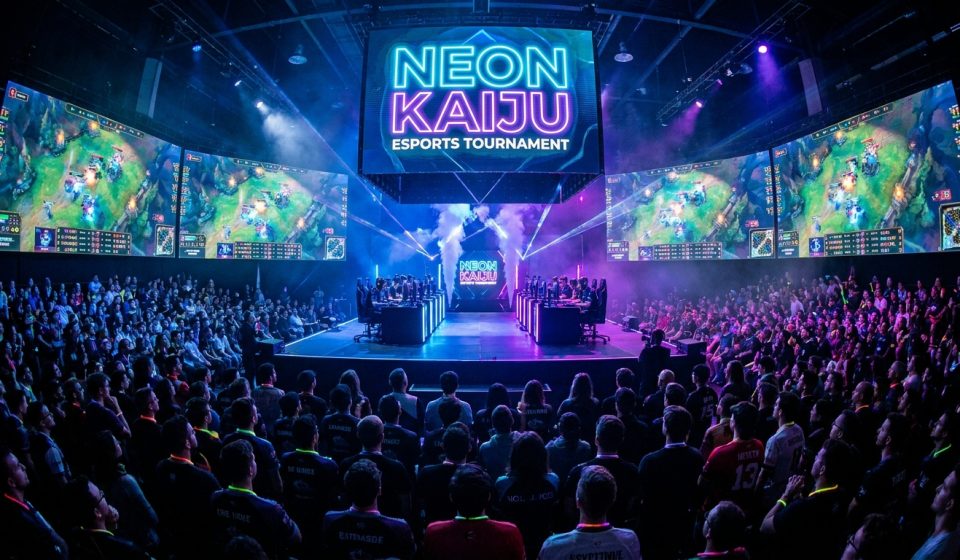

Anime and esports: two scenes, worlds apart, now blend into one wild rush. Both build heroes, sure. But rivalries and esports villains? That’s where the real spark comes in. ‘Pro Rivalries: The Rise of Esports Villains in Anime Worlds’ dives straight away into those icons driving up tension, not for the spotlight, but for pride or revenge. Sometimes, it isn’t the showdown for a cup that pulls you in. It’s the sharp feud brewing with every sly play.
Let’s set the mood with an example. Remember the 2021 summer batch, when ‘Godcode Rebellion’ aired? The way the cold sniper Hoshino baited the whole server, episode after episode, changed how fans value skill versus style. Sharp lines, steely looks, game lore smoking from every stare. When did being a “bad guy” become so cool in competitive anime scenes?
The Anatomy of a Digital Esports Villain
What makes esports villains from anime stick in the mind? It’s that mix—a toxic cool neither all evil nor all good. Maybe ambition shrouds each risky move. Maybe they bend rules. Fans call out hacks or ego, but the field shifts whenever they’re in the zone. Suddenly group chats light up with memes and scorn. Why root for their loss? Because watching them win stings a bit.
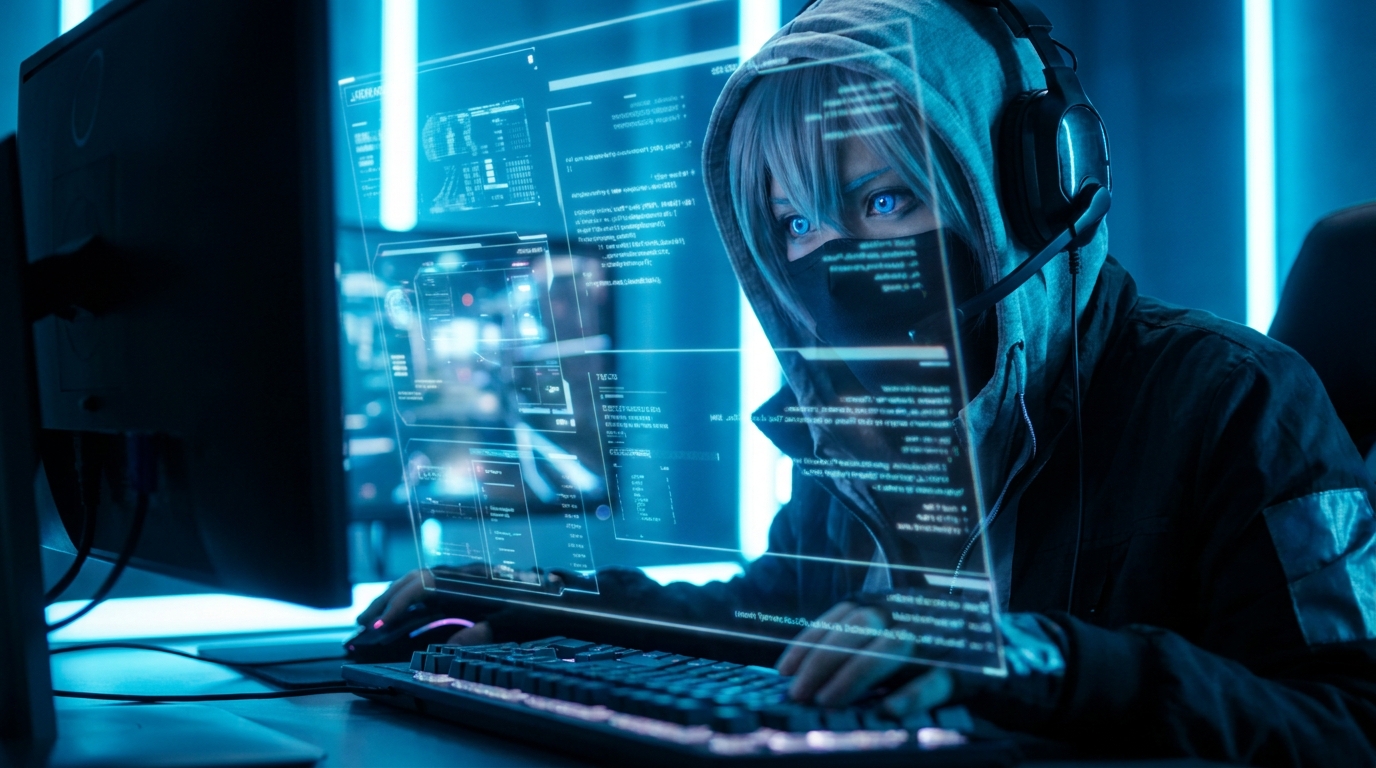
Battling the Hero: How Rivalries Build Whole Leagues
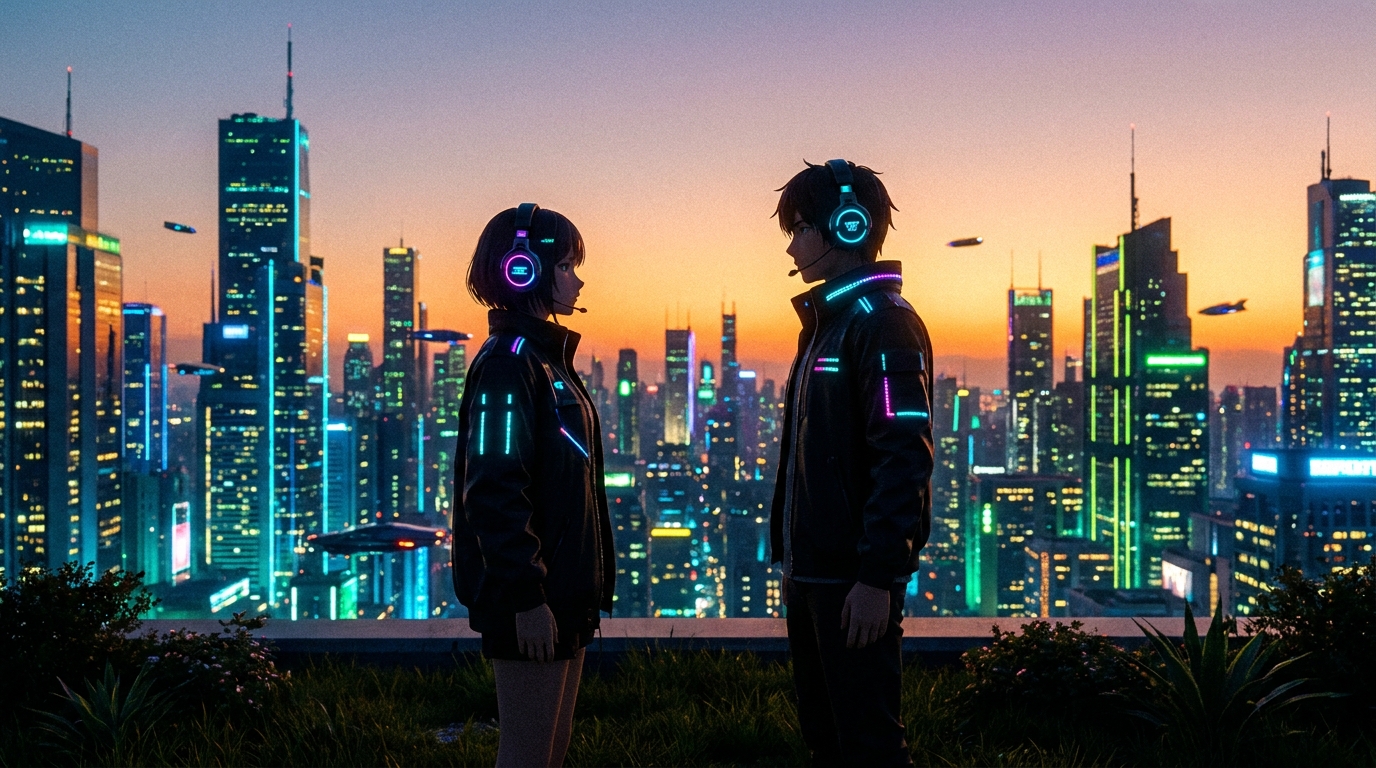
The clean captain finds a foil in these flashy, cruel, or calculating foes. Two leads— Yuito and Alan wingmark from ‘Signal Overdrive’ season one never needed screaming drama. They held the arena with silent glares and a race on the leaderboard. Tight matches cut in with real showdowns after screens fade, fans rewrite matches on forums minute by minute. Ever argued track records with friends until 3 AM?
Cultural Impact: From Merchandise to Memes
Villain gamers never stay inside small plot arcs anymore. Last year, I caught that ‘Galaxy Requiem’ cosplay contest in Kyoto. Four out of five winners walked out in “enemy” persona gear! Hoodies crowned with holographic brands, mirrored glasses, light-up mice as pendants—who needs protagonists? Fanart sprints past official posters across Discord and Twitter. Friction, it seems, fuels new digital culture around these outlaws.
Behind the Studio: Why Writers Make Villains Steal the Show
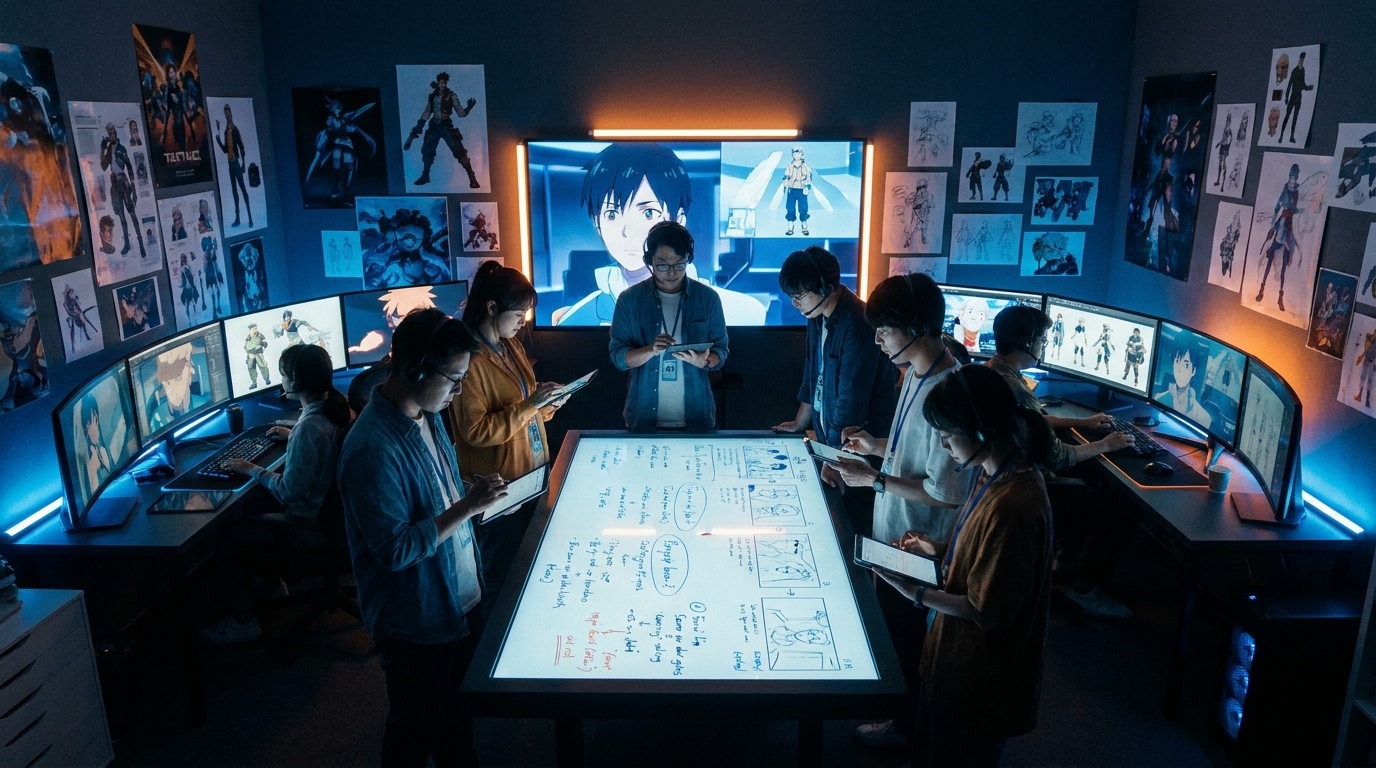
Studios know. Good conflict makes a league memorable. So why are writers focusing harder on making these villains feel so raw, even likable at times? It’s about mood and doubt. Maybe the league king falls—who rises? Sometimes studios tease redemption arcs, showing obscure origin stories or stoking rumors, just for drama’s sake. Some hate it. Yet, who hasn’t replayed a tense midnight clutch pulled off by the show-off main rival?
Are Esports Villains Emerging As Digital Icons?
Mainstream anime doesn’t shy away from showing how ruthless esports can get. Villains feel real because fans crave spice and debate. If you’ve rooted for a legend until the very last map, you get the shake-up these digital anti-heroes bring. Imagine a future tournament without a single grudge—seems lifeless, right?
The next streaming hit? Count on at least one persona who breaks the mold. Tell us: which rivalry kept you up all night last season, and would you rock the enemy team shirt? Dive into more match recaps and culture debates—fandom never sleeps on a good feud.