
Episode Synposis: Prototype Paranoia – The Eyes Outside
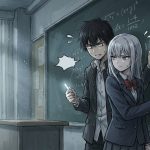
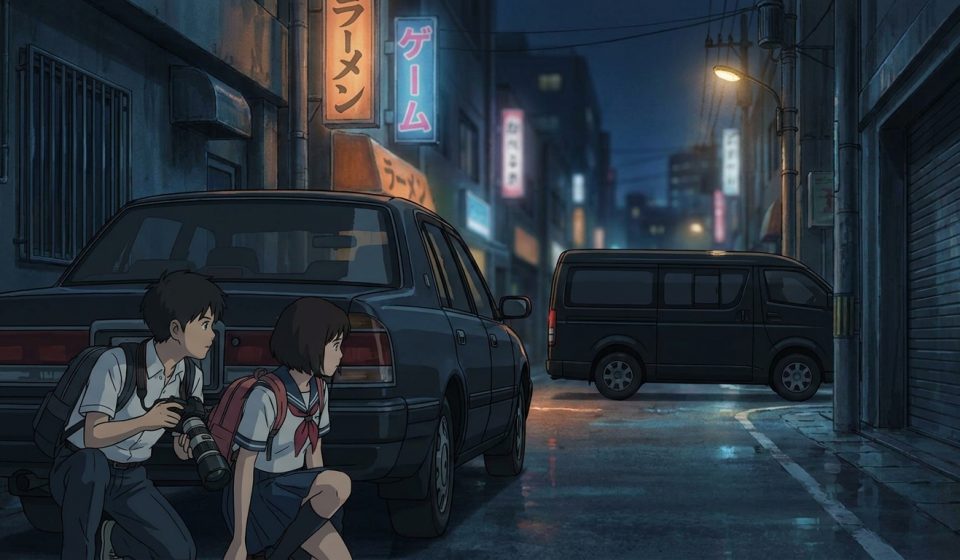
Nakano Yui is not the type to get caught in strange rumors, but her new city apartment has neighbors who talk at length and in detail about ‘suspicious vans’ across the street. They’re all mostly students. Ramblers, night owls, types who notice patterns. Is it a friendly gaze, or something cold and watchful? One week in, Yui sees the van too.
Her friend Jin asks, “Seriously, you think they’re watching us?” He scratches his jaw, frowning, and peers out between blinds.
Yui wants answers but knows that the normal way—call, report, ignore—never gets the full story. After all, her last place felt safe, but things changed real fast. A week into living here, neighbors start talking about personal info leaked online. Apartment blueprints appear in local chatrooms no one claims to run. Doors hang half-open in the hall at dawn.
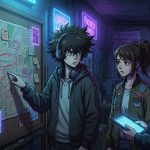
She meets Moeka, a grad student with a twitchy eye and an endless binder of sharp rumors. “They put up a dish every six days. That’s always when the lights flicker,” Moeka hisses, pressing a camera into Yui’s hand. “It means they’ve switched to recording…someone.”
The chats pile up. Six digs deeper. Toshio, their oldest neighbor, says, “Thirty years here! Never seen so many wires uncovered overnight. Kids, be careful.” Is the whole block being watched? Different vans switch places. One host of an online stream, ‘TurtleMan’, shares blurred footage of someone flipping license plates on live camera. Is something hidden in clear sight, meant to distract, not record?
Yui’s got sleepless nights, watching both screens and half-shadowed yards. Her thoughts break down: Are vans just vans? Most times, they disappear at dawn. One evening, Jin runs in short of breath: “I tried following one. GPS glitched out, nowhere on the map.” Weird, right?
The group decides they’re not sitting silent. Yui, Jin, Moeka, and two others make a plan. Ask local shopkeepers, look for old city permits, cross names to newspaper wiring work orders. Piece by piece, bits of the city’s web slip into their file.
The more they dig, the more threads tangle. One tech expert who drops by the student dorm tells them: “Look, these setups match specs for data collection, but layout’s sloppy. It could be a dozen separate things: city survey, obscure YouTube crews, desperate companies testing cars with unconventional hacking. Or, of course, surveillance nobody admits to.” 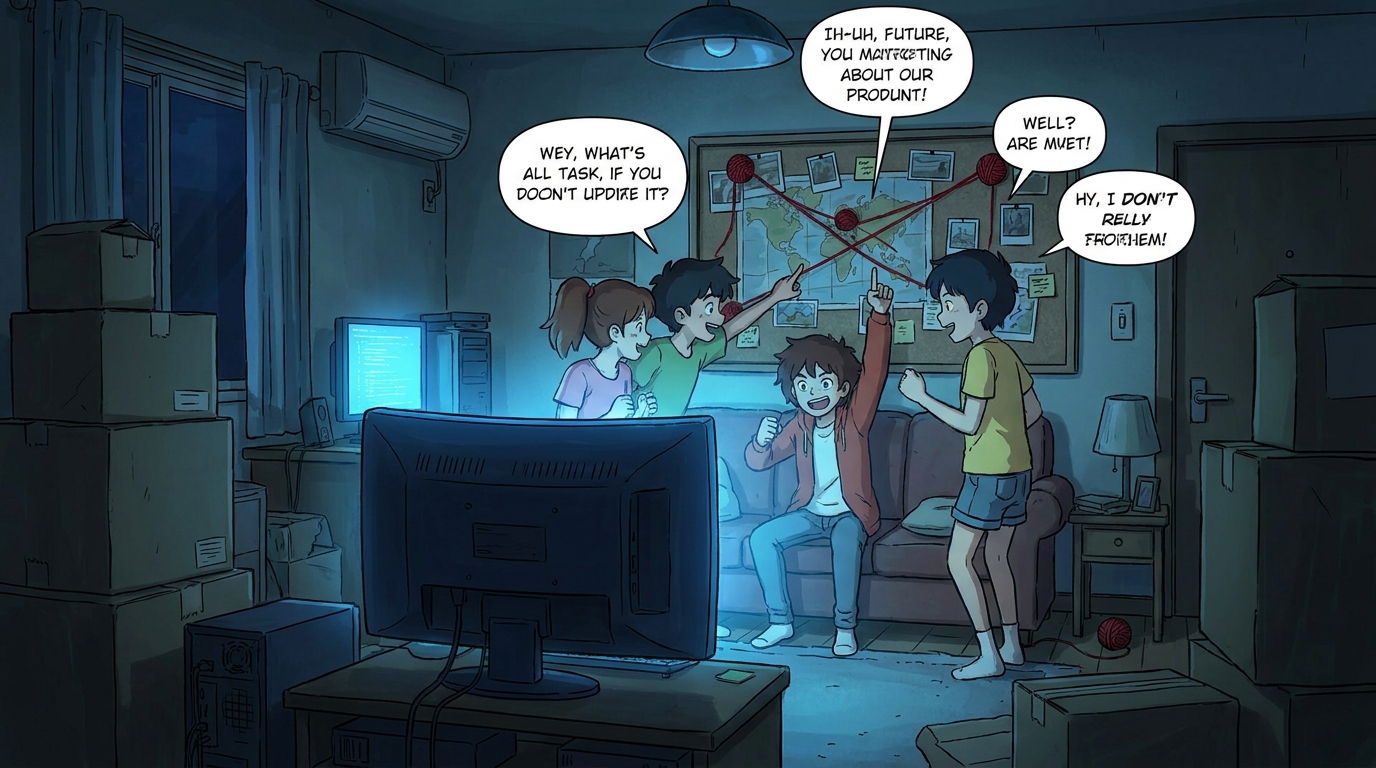
It’s a climate of doubts where every neighbor whispers new details, half of which check out. When a stranger in blue overalls knocks late at night, holding a clipboard and a broad, impersonal grin, Moeka says to Yui under her breath, “Did any of us order service after midnight? Not a chance.”
The episode jumps between tight day shots and long, night walks. Stray cats race in moonlit alleys. Recording devices blink on windowsills. Viewers start to ask: Who planted fake clues? Is it all a diversion? Or are some truths being hidden under ordinary lights?
The arc ends on a Friday. Moeka crosses to the van under cover of a delivery, places a sensor inside a wheel well as Yui hides nearby, her phone cycling between camera and emergency call. Suddenly the school’s Wi-Fi blocks all outbound data for that block. All screens flicker. A trainee city worker flinches in the doorway, shocked by Yui’s wide stare.
“You see it too, right? They’re wiping feeds in real time—” Jin yells from above, but someone pulls the plug on the circuit and everything goes black. Readers, do you think you’d have tried to look deeper?
As thunder hits, lights blink then die. Threads of data crumble—all files erased before anyone backs up. Last shot: van door cranked wide, nobody in sight, but a slip of bright tape links to the apartment fire panel. The cliffhanger yawns open: Just who is being watched here?