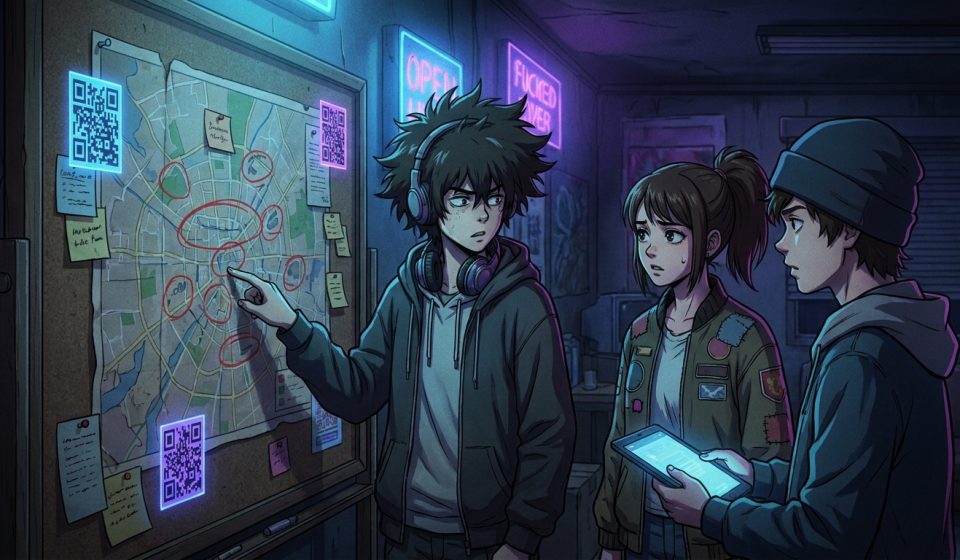

Ever wondered what happens when you poke the secrets everyone says don’t matter? Toshi Minamoto can’t leave a strange story alone. He’s a quiet high schooler who ducks in the back row, but when he hears weird whispers about a group called OPUS hiding something below the streets, he’s hooked.
Toshi’s older sister, Rei, warns him to lay off. “It’s harmless,” she says, but he catches the fear in her eyes. His best friend Yuya jokes about mind control signals in the city’s holo-ads. He grins, tapping his phone, “Next, you’ll say the government’s hiding robots.” Still, Yuya digs up a map packed with QR codes spread across old district walls. Just pranks or a trail?
A mysterious girl named Mina joins them—no one in class has heard her real name or where she’s from. She claims her brother vanished after getting too close to the truth. “People slip through cracks here. Don’t you want to know why?” she asks one gray morning, hair tucked back beneath her cap.
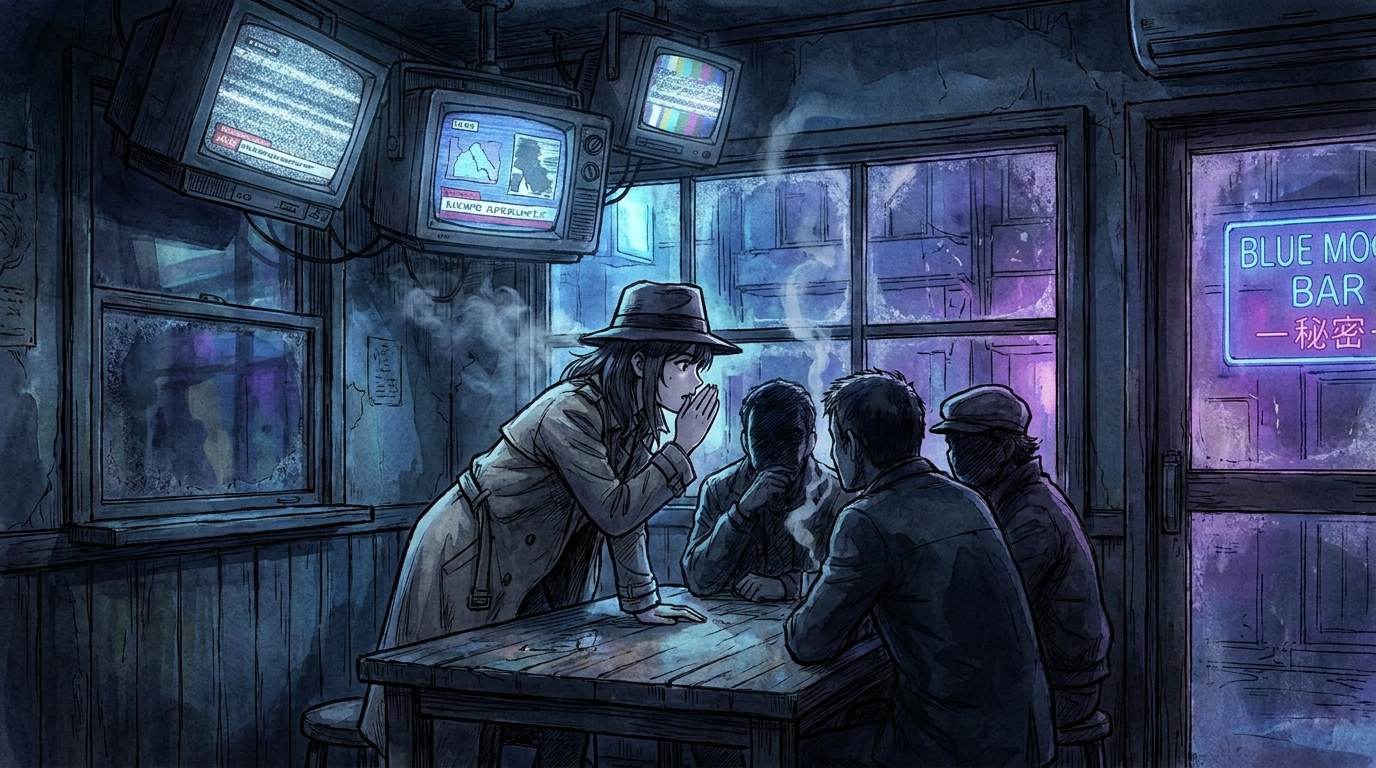
Sifting through odd ads, subway codes, and backroom chatter, their nights start to blur. They track web rumors to a corner bar protected by broken vending machines. There, an ex-reporter named Ken tells the trio he once filmed men in black coats editing tomorrow’s news, months in advance. “Journalists vanished next. So I quit.”
Back at school, teachers caution the class not to spread “wild tales.” But a posting appears at dawn: surveillance blimps buzzing higher over the school. Toshi pulls his bike past dumpsters behind the staff lot, and two officials in unmarked gear grill the janitor. Again, Ken appears, now grim. “I warned you not to come too close. You kids are tagged.”
The hunt grows risky. Rei gets strange notes sewn into her clothes. An AI catches Toshi on hack forums and tags his file. The game’s no longer just a “fun scare,” and every familiar alley now hides echoing steps behind them.
Mina shares her own theory: OPUS funds tech startups and both censors and spies on anyone looking at old public records. The others don’t believe her outright, but the more Toshi follows backups, corrupted files, street whispers—the closer the facts match.
They assemble evidence: heat maps of the power grid, missing delivery records for city data towers, text-chains erased mid-sentence, witness timelines that don’t add up. “Why do you go on, Toshi?” Mina whispers. She stares at him in that odd dusk light, almost hopeful.
He takes a breath. “We have to know. If not us, who?”
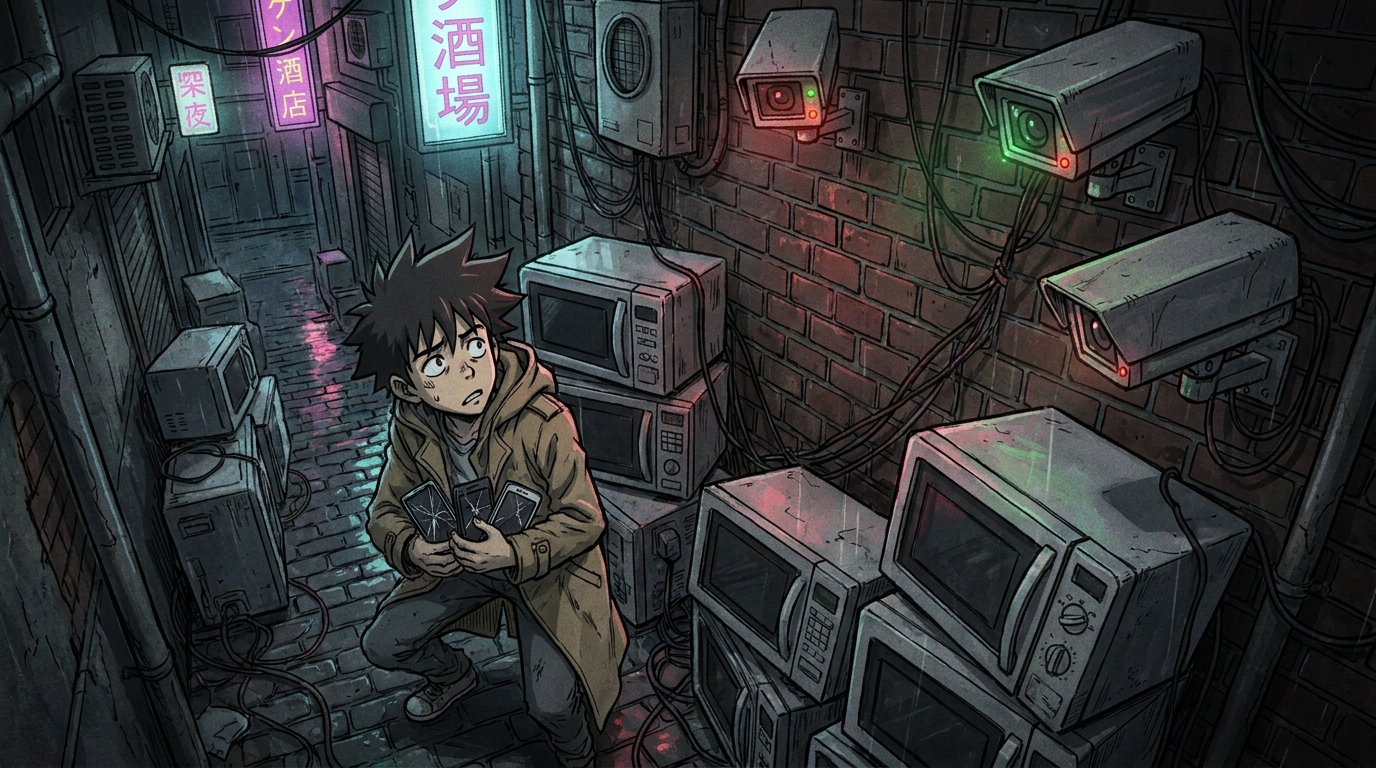
Yuya starts acting odd. At meetings he’s edgy, glancing at street cams, objecting to every plan. One morning, Ken storms into their hideout. “There’s a listening hive in your phones!” He tosses both kids’ cased handsets into a smashed microwave. Kids their own age follow them everywhere now; some just stare, cold, then vanish.
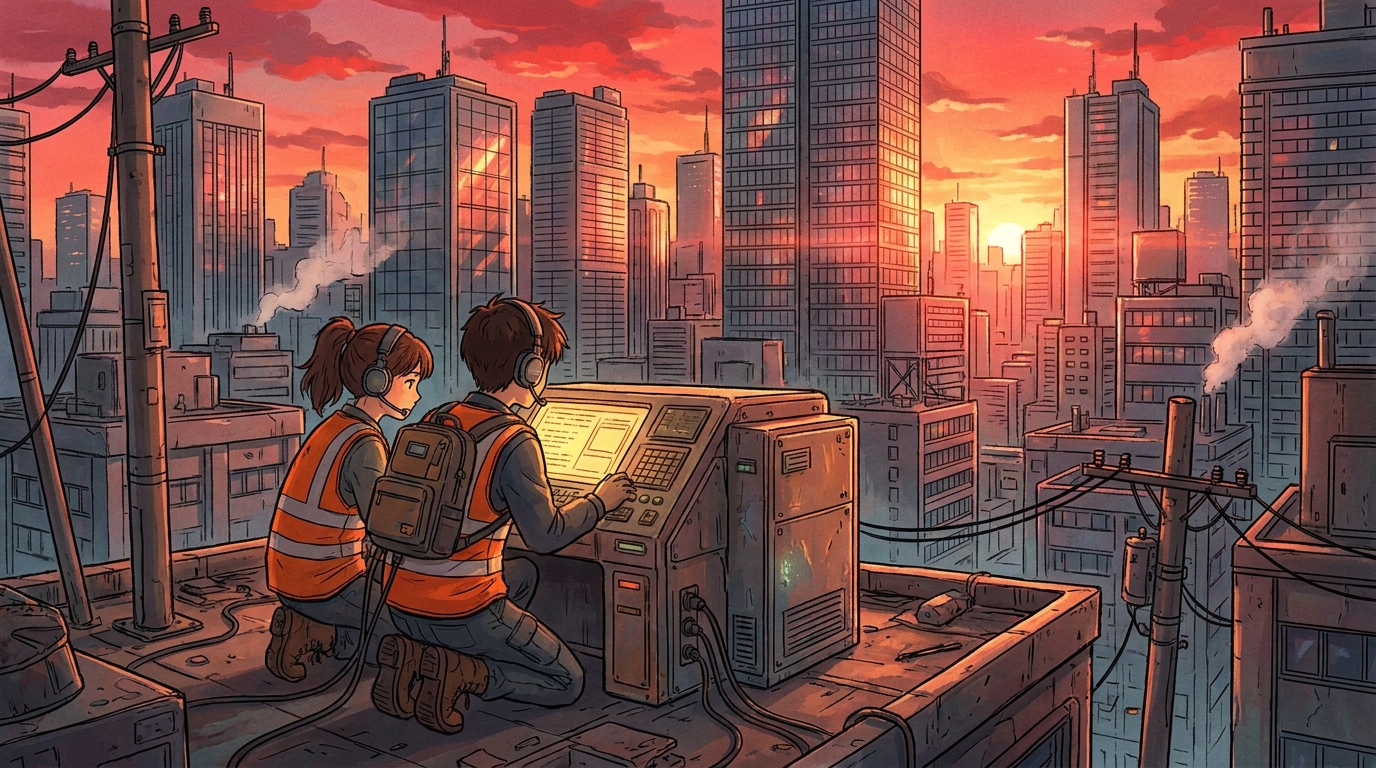
After a growing trail of codes points to the rooftop server nexus near the Shinjuku spire, Toshi and Mina slip past guards by blending in as delivery runners. Clouds burn red in the east, casting weird hues over glass and steel. They reach the top, place tracing beacons, and jack into a service panel beneath a locked hatch. Data scrolls. Hidden startup docs, cash flows, population watch tags, even flagged lists from minor protests days before. Then: a blackout and hard silence.
Sirens, bootsteps—and the kids freeze. Ken’s voice is on their tapped coms: “Break up! Dump the logchains. If they grab you, you won’t remember. Run.” Did they find what Mina needed? Are these all empty syndicate fears, or has Toshi just set off a chain? Good place to ask—Which would you risk, memory or truth?
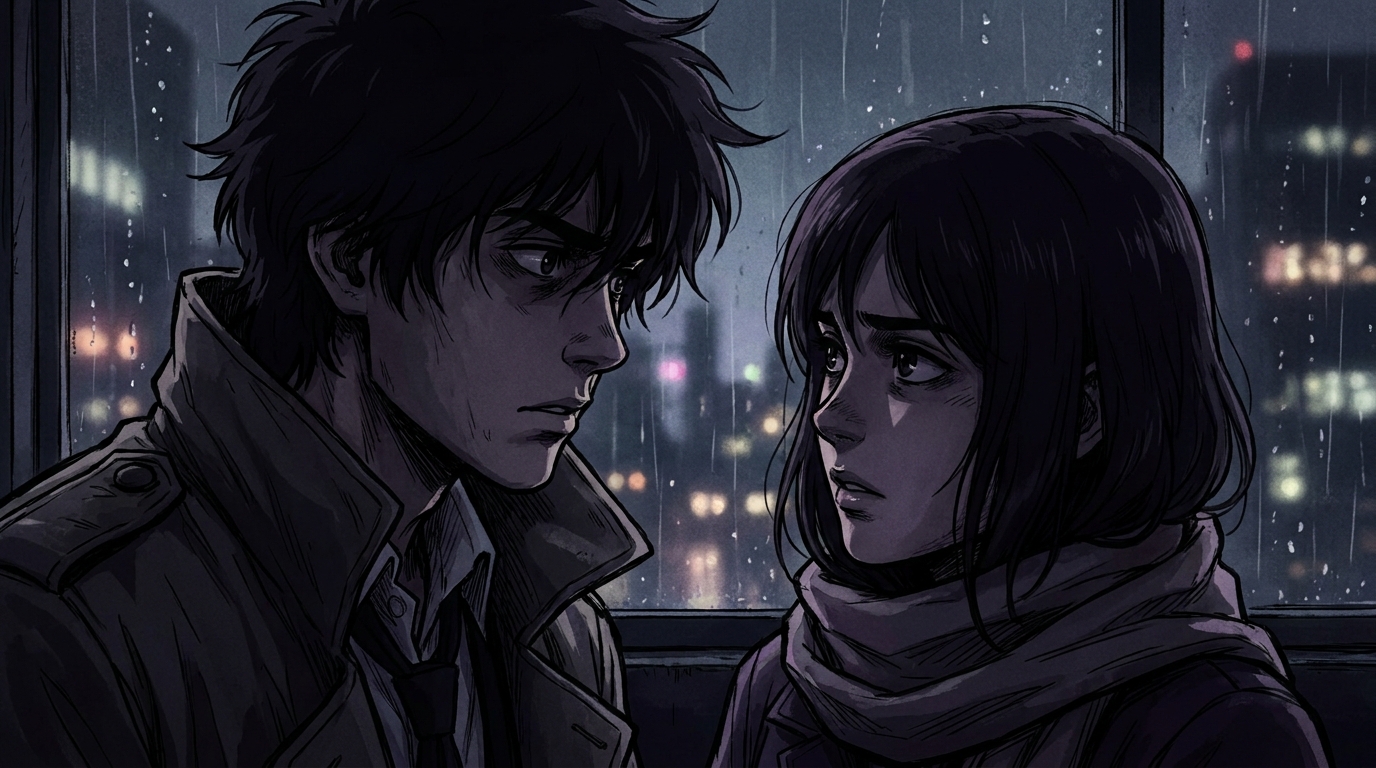
Lights flicker back. Footsteps draw close. Our team holds each other’s gaze—just for a moment. Then… blackout. Cliffhanger: next, someone may not return, or may not remember where they’ve been, or who they can trust.