
Do you ever think back on your memories and question what’s real? In this arc, ‘Rooms Without Walls: The Infinite Class’, I’m going to pull you into a mystery that’s unlike any school story you know. Welcome to the strange world behind Class 2-F, where time bends and minds break. This is about secrets your friends can keep from you… and even from themselves.
Our protagonist, Jun Misora, watches a clock in a dusty schoolroom as rain taps the window. Jun wants to forget something, but no one can remember what happened that last winter. His main drive? He fights to reveal the meaning behind gaps in the class’s memory. Famous around the school for sharp logic and his way of sensing hidden truths, Jun doesn’t trust easy answers.
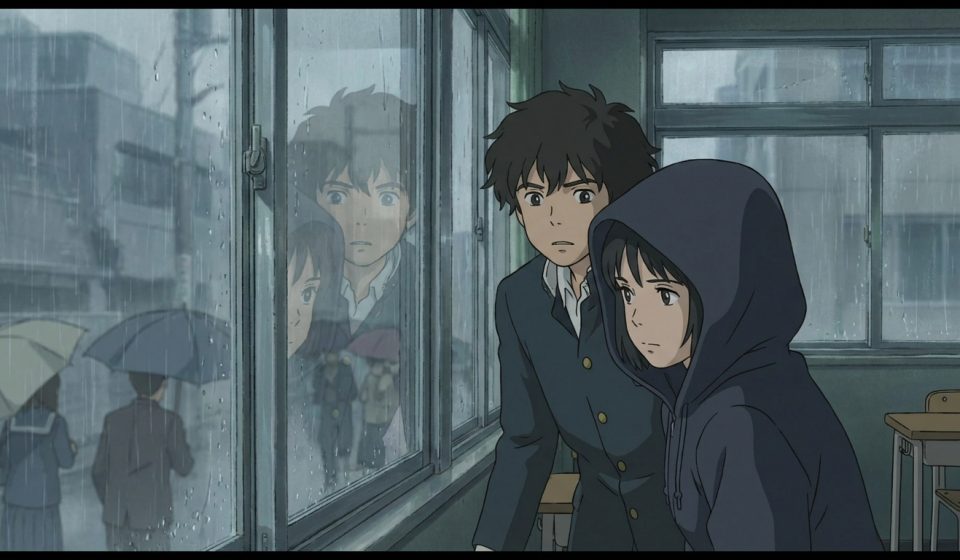
Next to him sits sidekick Aoi, a soft-voiced girl with too big a hoodie and a knack for drawing what she dreams. ‘Do you really see it too?’ Aoi asks on the first day this starts. Their history teacher, Mr. Ena, is strict, but slips. Jun stays after class, picking at a tiny line of dust on the old wood floor. He sees someone, or something, outside. Imagined? Dreamed? Or did you ever have a moment that pulled you right into a story others don’t want to tell?
The first real event hits. Student Akira stands during roll call, staring through the rain-black glass at a blurred figure outside. Jun’s mind shudders—he also sees it. Jun keeps strict notes. Why can’t anyone describe what they remember about entering or leaving this classroom?
Is it time loops? Collective dream? Jun and Aoi run test after test on their classmates. They mark lines with chalk, move items, set traps for logic. Every new day, items are reset. ‘We sit, the bell rings, someone counts heads, but we don’t know how we got here,’ Aoi says, pen tapping behind her ear. ‘That consistent gap—do you get that weird blank, too?’
Charlie’s hallway tales stir the pot. She’s sharp, fast talker, likes riddles and notices hints others miss. ‘Memory isn’t a story, it’s a box. We fill it up, shake—sometimes the lid goes missing,’ she tells Jun, not looking him in the eye.
Each episode peels back classroom layers. Objects in the lost and found, ticking like a second heart. Teachers sharing stories that stop halfway. You wonder, is the school haunted, or is this proof nobody can trust even their own mind?
Case log shock: two students claim to see new classmates, but the rest remember nobody new. Seats shift between days. The number of desks doesn’t stay the same twice. A window won’t open on Tuesdays, but swings wide on Thursday, with details inside changing by morning. Suspense builds. People see what isn’t there and forget what matters most. Have you ever tried to change something, but the world warps it back by morning?
Friendships fray. Stories split. Aoi sketches the ‘Lost Other’—a shadow figure peeking around corners. Jun feels growing pressure—clashes with Mr. Ena, who warns to stop digging. Sirens wail in the gym out back, though no one knows why. Still, every class ends at the same hour. Where are the rules?
Mid-arc, Jun calls for a group trial. It’s raw, sudden: students recount nightmares in groups. The bravest, Miki, tells of waking up each night in a nameless corridor. There’s one door that’s marked only by quiet weeping on the other side. Girls shudder—one whispers she didn’t really come in this morning, but drifted from some in-between. Trust crumbles.
‘If you break a memory, what’s left to share?’ Aoi draws eyes in the margin. Jun finds writing under an old poster: ‘WINTER WILL COME AGAIN’. Evidence piles high. Someone wants the class to forget, but why? All traces lead back to that unseen figure in the rain and dreams no one can name. Every episode leaves you wondering—can they agree on what’s real?
The art subtly shifts: colors dull, shadows stretch longer, detail fades on background scenes when confusion is highest. Every new vignette builds the winding tension. Psychological stakes, not just school ones, rise. Has everyday life in this classroom trapped them all, or was the world changing shape to hide the biggest pain? 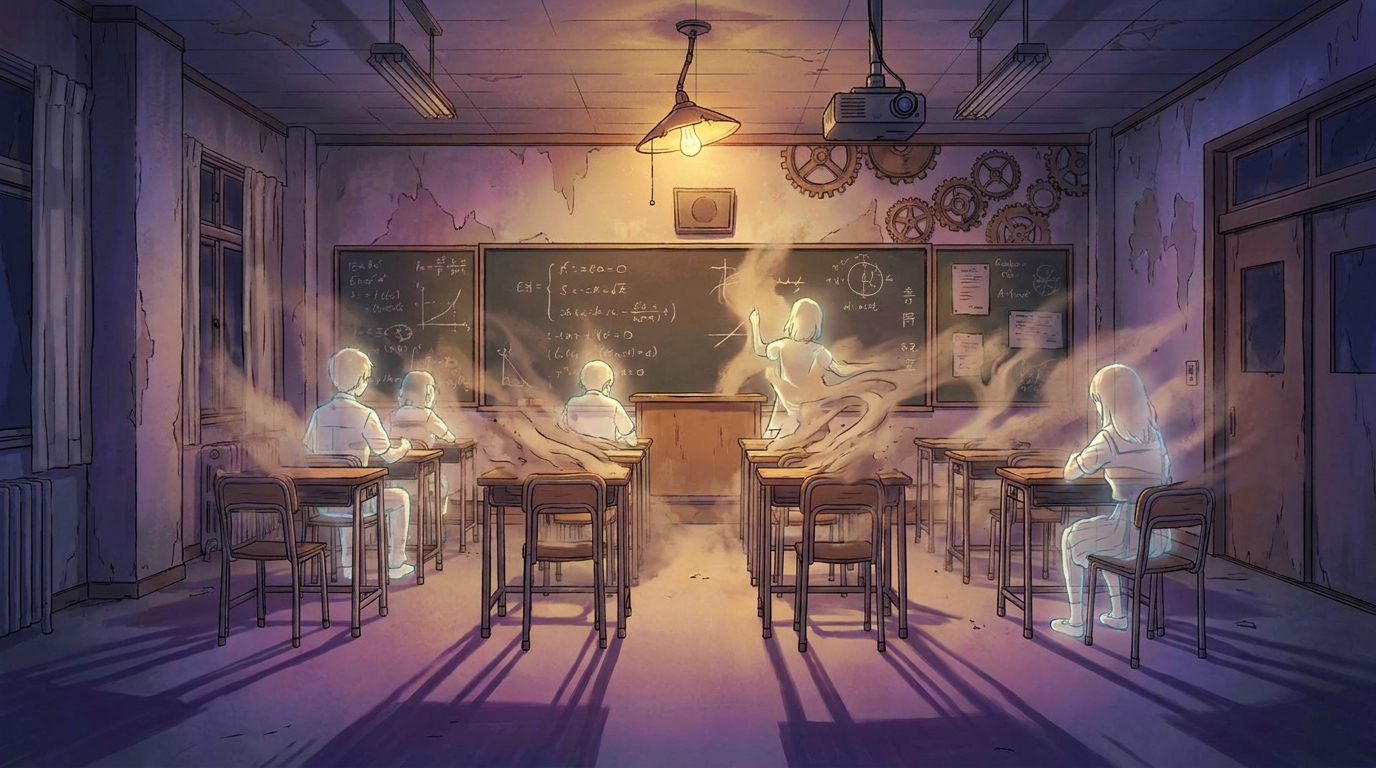
Dialog breaks scenes, letting viewers feel the raw edges:
‘You’re sure we’ve all met?!’ Jun asks tight, heart racing.
Aoi does not look up: ‘I’m sure I don’t even know me.’ Their eyes meet, silent question floating: how do you solve a riddle when you might just vanish?
Hairline cracks reach through each student’s sense of self. And then—a memory seems to burst out one morning. A photograph, impossible, shows two desks side by side, on a snowy day, yet behind their school it is spring. Who took it? Miki denies being there. Aoi feels sick.
Jun finally snaps at Mr. Ena in the staff room. ‘What are we? Why don’t things stay?’ The teacher closes his book—carefully. ‘This isn’t punishment, Jun. It’s a lesson. If we remembered everything, we wouldn’t sleep.’
Probably now, as a reader, you’re wondering: do you think you’d like to be free if freedom meant losing your memories? Or would you behave different? Be honest. Floodlights behind the school stage blaze out. A bell rings—yet there’s still thirty-eight minutes left. Warped, twisted time. 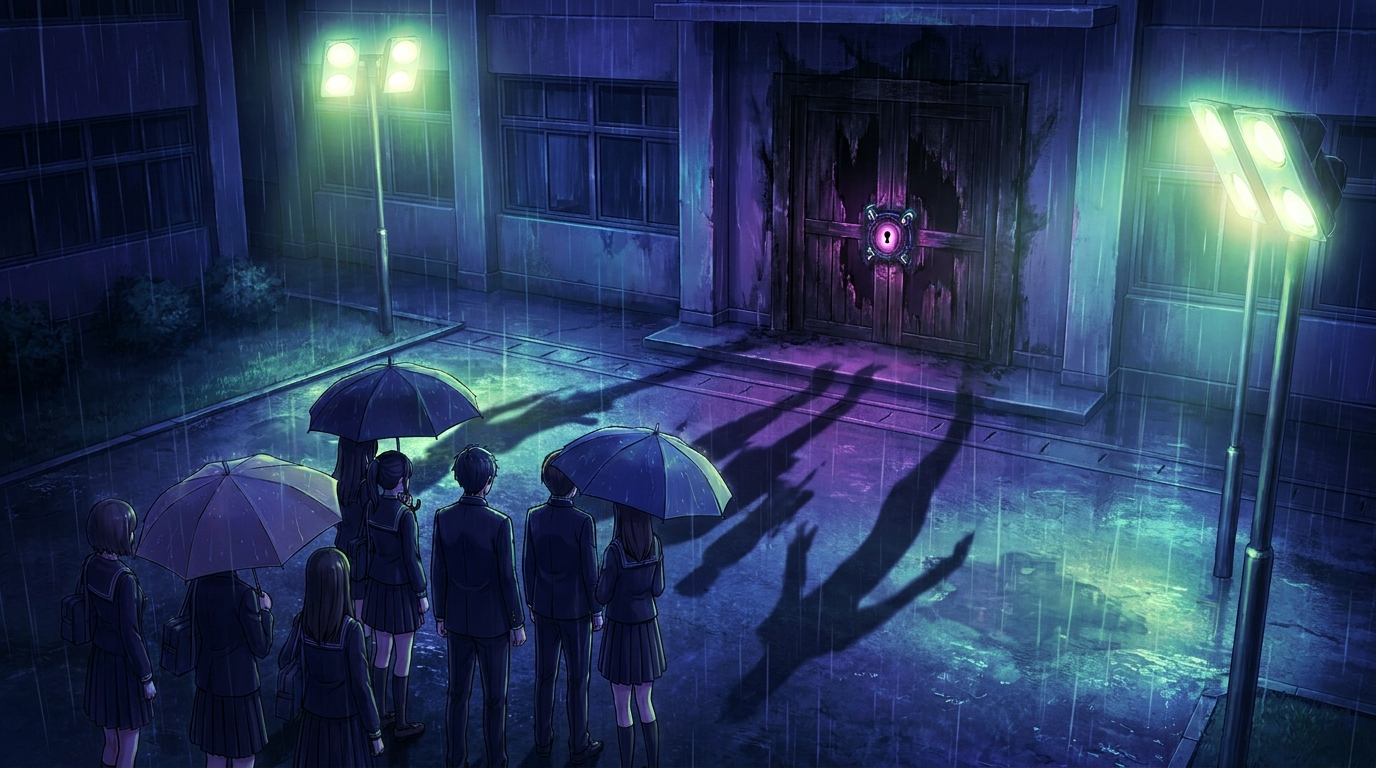
Everything points, at last, to the legend of Raw Glass Hall—a burnt wing left since a fire five years back. No one names who died. The class makes a plan to break in after sunset. Each student scrawls a note, ties it to an old school charm. A key goes missing. Footsteps echo. Will you be waiting for the secret on the other side of midnight?
As students open that dark, chilled door, the episode cuts out. The rain picks up, hiding who laughed—or maybe cried—just out of thin earshot. Cliffhanger: Wide shot of every face frozen as light flashes—what’s behind that door?
To be continued.