
The Glass Mirror’s Melody
Psychological horror can hit different in anime. This episode focuses on Yuka Inoue, a seventeen-year-old who can’t let go of learning a single truth: what happened to her brother, Riku, who vanished three years ago?
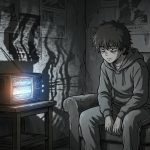
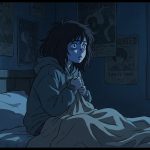
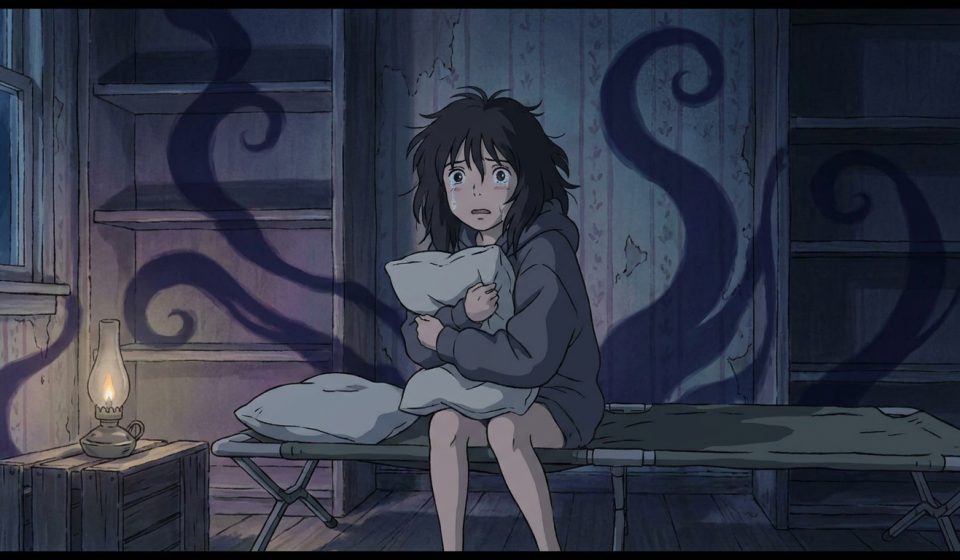
Yuka wakes to a haunting tune and silence in her home. The ticking of her clock seems wrong. Her room’s shadows move where light doesn’t reach. She asks herself, ‘Do they always twitch like that?’
Yuka’s mother, Mei, sits at breakfast but stares past her with hollow eyes. Mei blames herself. The family is quiet, always walking on eggshells. You see people avoid mentioning his name. Have you ever known loss to eat at the rooms you live in?
At school, whispers reach Yuka’s ears. Friends drift away. Only Shun Kaneko waits for her after class. Shun gives Yuka old notebooks Riku once left behind, hidden in empty lockers. The notes aren’t normal writing.
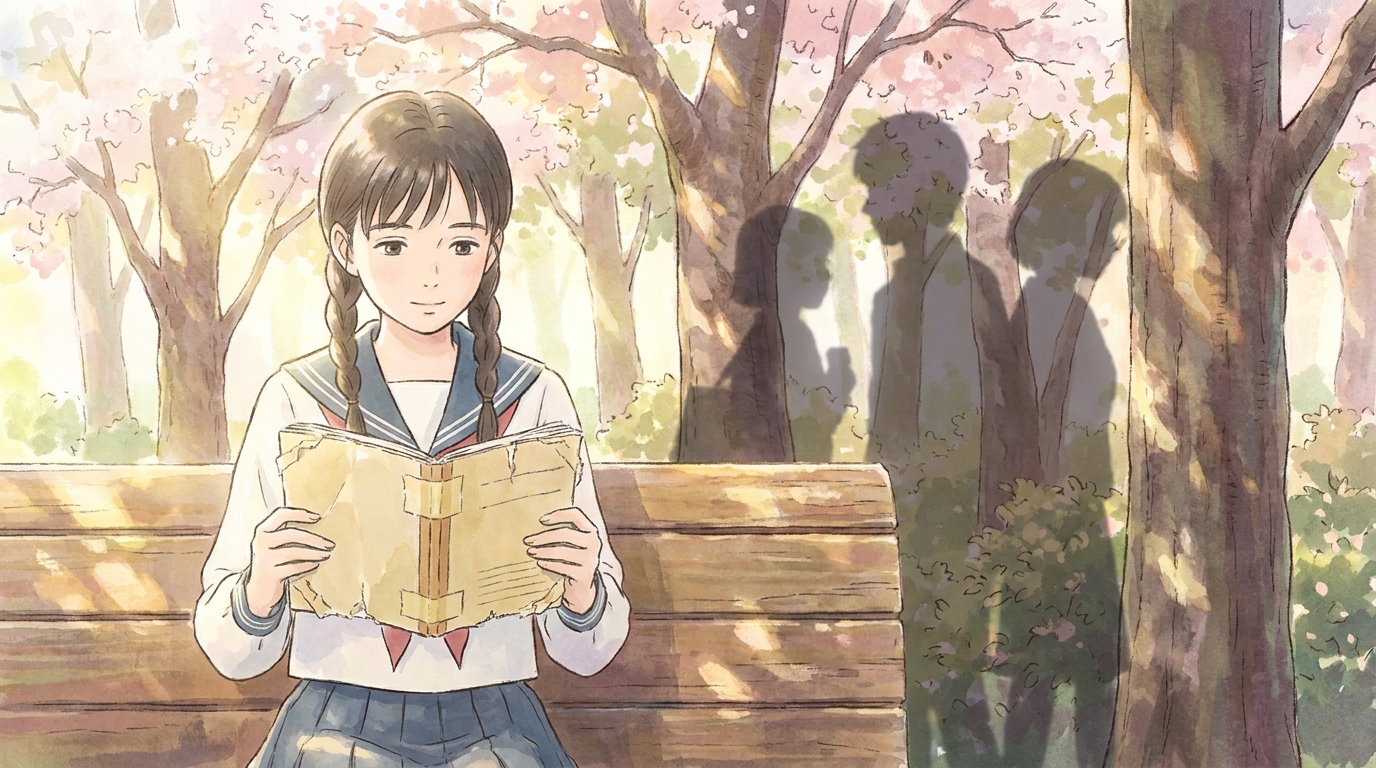
Would you have taken them? Yuka hesitates but reads on a park bench, her eyes dancing in shadow. Each page sounds ordinary till words start to bend, repeating: “In the mirror, I’m the one left behind.” Is truth always what you crave?
Noises build at night. Glass scratches, clocks tick two beats wrong, a mirror distorts Yuka’s face, distilling every passing minute into fear. Her dreams begin suiting the world: Riku walks backwards, drawing on the walls that don’t exist by day.
Each morning, Yuka marks another scratch in her notebook, counting messages appearing on her wall. Always eleven words, run together: “Stayawakeeveryhourorisleepforeverburned.”
She starts investigating, retracing where the notes were hidden. Dark corridors and echoing halls surround her after sunset. Sometimes Shun is around, hand on her arm, saying, “You’re not losing it. Let’s keep looking.” Other times, voices ring through empty gym lockers: twinned Yuka voices, layered over laughter only she understands.
Local folklore about the Glass Mirror pops up in a news flash. Mei nearly drops a plate. “Don’t ever use old glass,” she warns, unblinking. Dark lines under her fingers. Yuka asks if her mother ever heard the song the mirror plays—but Mei goes silent.
Shun pushes Yuka to test the most recent pattern: return at 2:26 a.m., place Riku’s last note facing the glass, speak the words. Do you think you’d believe a ghost if your heart wanted it back?
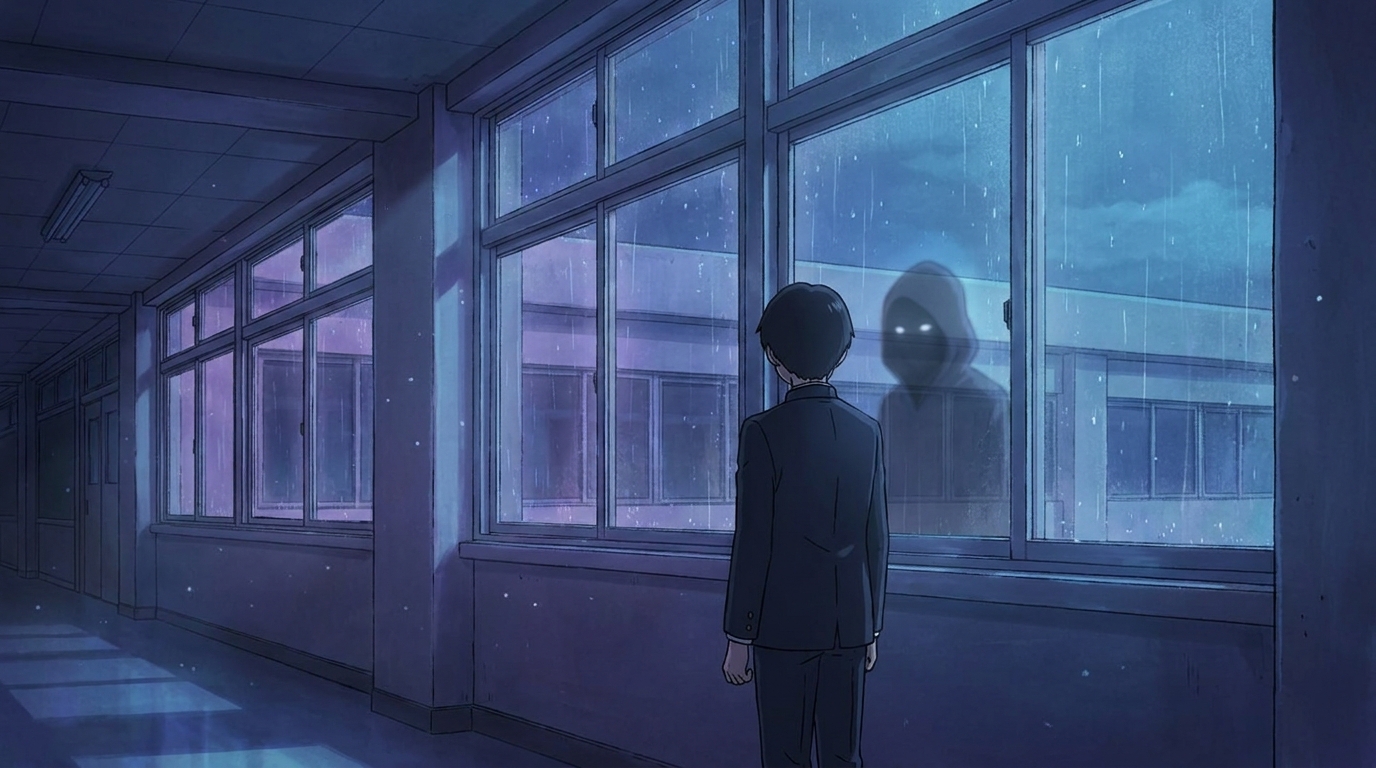
The school at night looks thin. Shapes don’t line up. Yuka’s reflection fails to follow her. She mutters, trembling: “Come hom—” But her mouth in the mirror smiles first, words stuck behind glass: “Would you stay here with us too?”
In a panic, Yuka pushes backwards, slicing her hand. Shun bursts in, grabs the trembling Yuka out and down the stairs. For a moment, the glass holds both siblings: one present, one chained to shadow, both reaching towards the surface as the tune surges and chimes echo down halls. Mei appears at the last step. For once, she meets her daughter’s eyes and whispers stone-quiet: ‘I never told you who else got lost.’
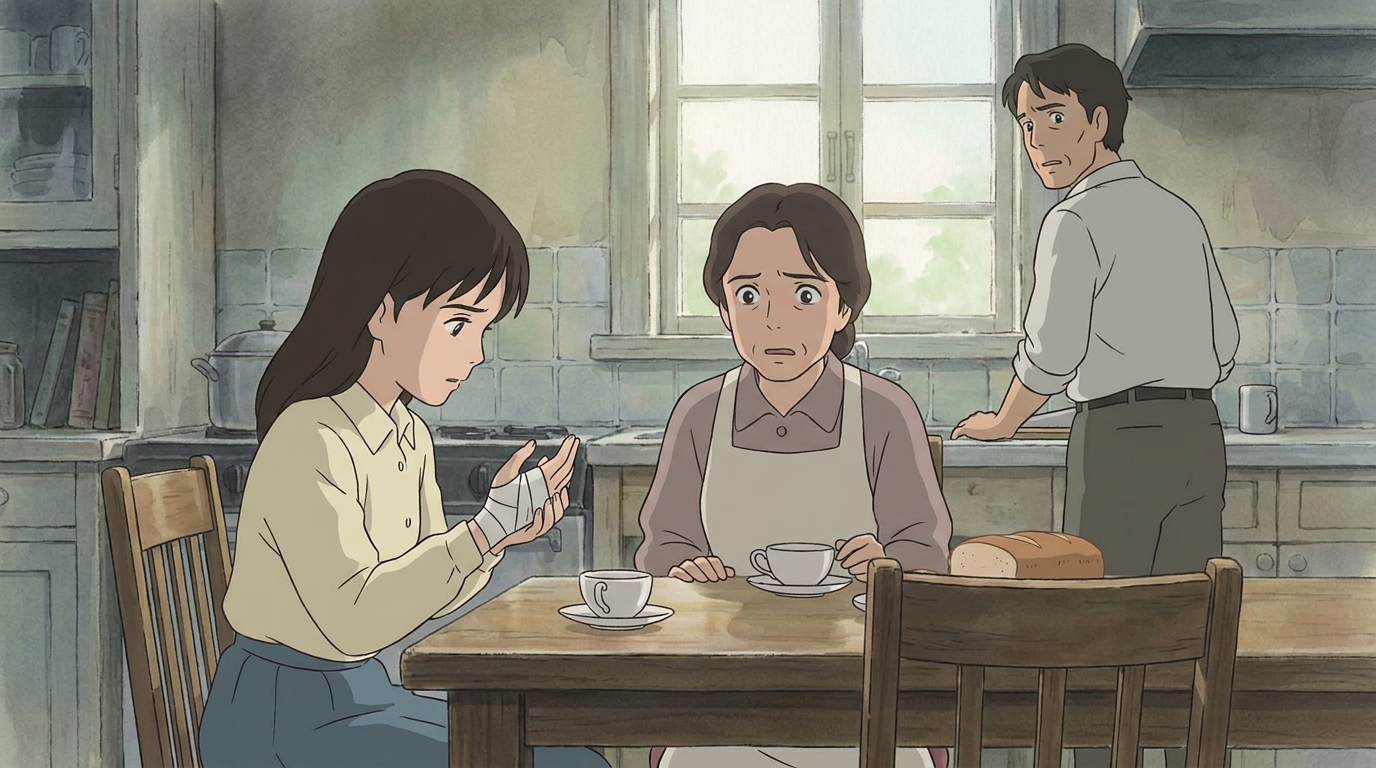
The morning after, nobody speaks in the Inoue household. Yuka sees her bandaged hand shake all day. The notebooks now have new lines—ones Yuka never wrote—with careful silver letters: exposure catches at dawn, punishment in glass. She finds Shun changed as well—more glass in his voice, more cracks visible, more pauses before each answer. The Glass Mirror’s melody now comes from more than the walls. Where is Yuka’s hope now? How much would she risk—and what about Shun?
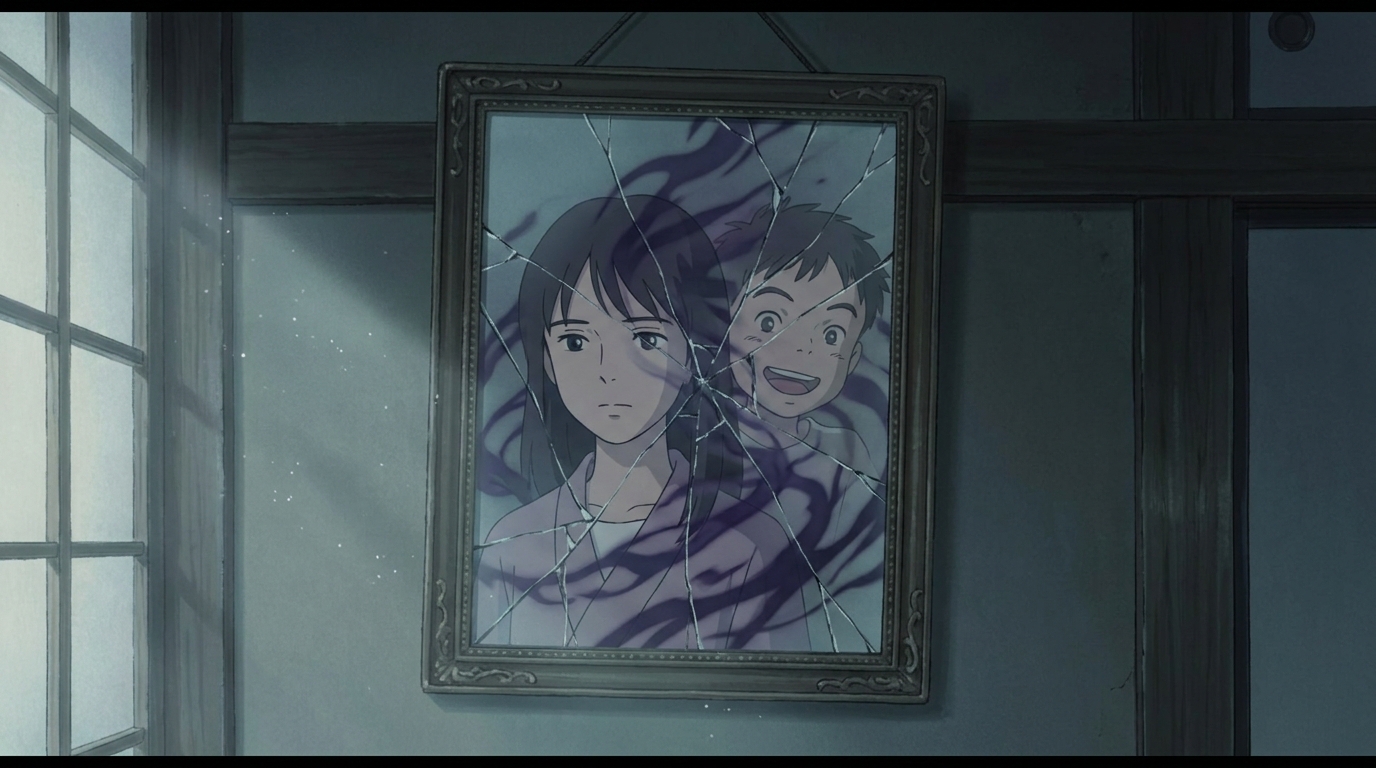
Yuka determines to go back the next night. She writes a farewell letter, then realizes one eye in the mirror isn’t hers and isn’t Riku’s. Just before the credits, you hear two breaths mixing in silence while the tune starts again. What truth pulls hardest at you in the dark?
To be continued.