
Episode Arc: Variables of Fate
Beneath the neon-lit skyline of Techno-Horizon City, curious minds never sleep. Kazuo Minami, a high school prodigy, gets chosen for an elite science internship at the city’s famed Infinity Lab. There, experimental physics isn’t just theory—it’s freedom. Hidden floors, locked corridors, too many “restricted access” panels. Something strange is going on, but what’s the real cost of chasing answers?
Many interns just see chance for good grades and late-night cup noodles. Kazuo burns for something deeper—to heal his little sister Yui, whose rare illness all started after she brushed shoulders with a failed experiment. Even the Type-2 nanites that now make her blood shimmer can’t solve the mystery. Only Kazuo dares doubt the lab’s party line that “experiments are accidents until they succeed.” Would you push past lab safety rules if it meant saving someone you love?
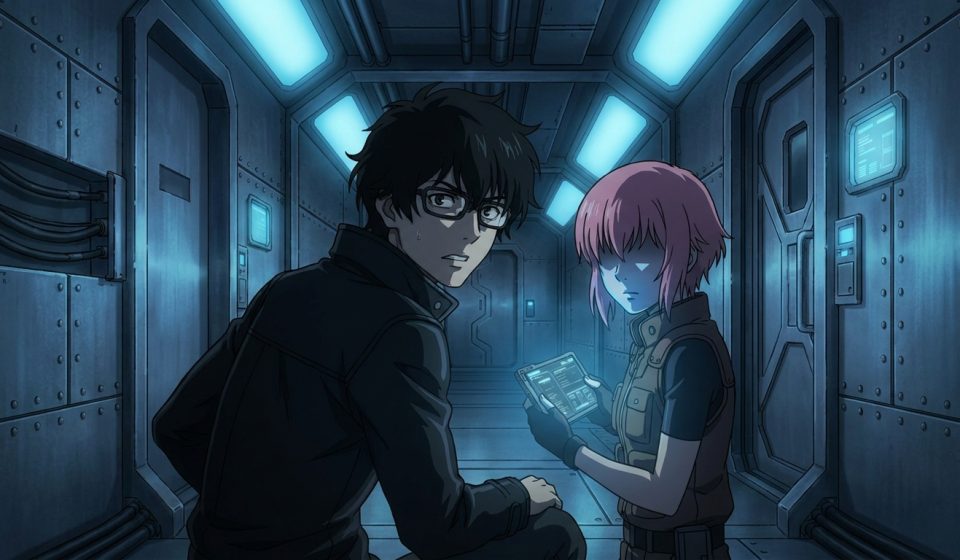
On his first day, Kazuo clicks into step beside Kana Ishikawa, sarcastic robotics whiz, and Jin Takeda, always lost in his biology notebooks. Senior mentor Professor Hazama watches like a patient hawk. Lessons start normal—discussions of quantum resonance, scores competing on plasma lens puzzles—but weird moments pile up. One door away echoes with soft humming no one can explain. Jin says flatly, “Feel that? The pressure. We’re not supposed to notice.”
During a planned experiment, Kazuo miscalibrates a resonance dial. A chunk of the test table… skips and blinks, twisting in place with pulsing blue sparks before vanishing. Hazama stares, then tells everyone to forget what they saw. Later, Kana and Kazuo share a stairwell lunch. “That wasn’t a power surge,” Kana mutters. “My cousin saw the same in ‘particle concealment.’ He vanished from the team roster next week.” Could Infinity Lab erase both reports and people?
The group starts attending volunteer double-shifts in secret, gathering data with pocket sensors, then hiding this behind code-named project reports. They come up with Project REDFOX: expose the real scope of the top-secret experiments that keep vanishing objects—and maybe students—from the grid. At a late-night stake-out, the friends sneak after custodians wheeling sealed cubes down a sub-level hall. Jin trips a proximity alarm. No guards show themselves—but the ceiling cameras all blink green to red for several minutes. “Hurry up,” someone breathes. “I don’t want to stay visible for too long.” 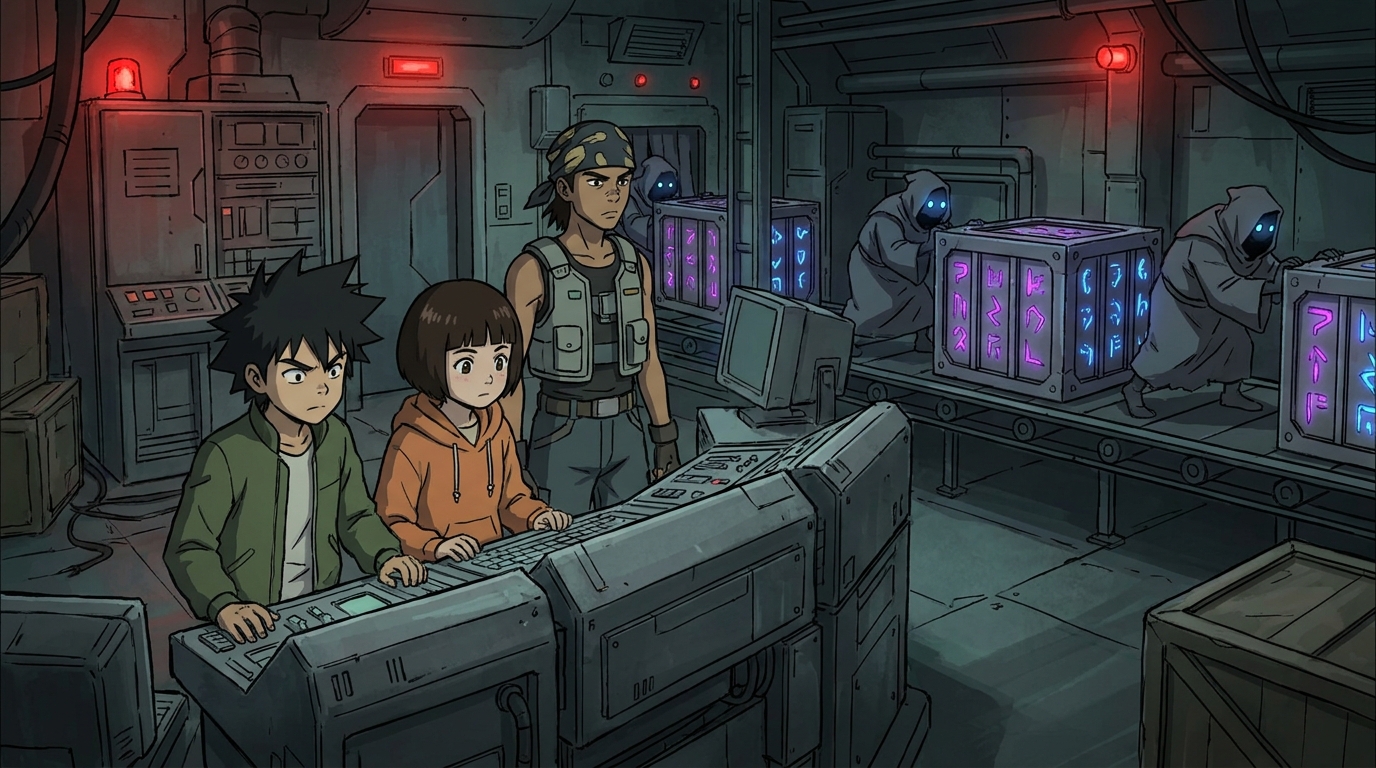
The trio uploads recordings, microscope logs, sound captures, faked entry scans. Kana cracks part of the AI facility’s internal comms. Whispers about a system called DAEDALUS surface. Something’s logging any gear that interacts with the lab’s main reactor, and that database is off the sanity grid. Some personnel IDs are “recycled.” Isn’t that bizarre?
Professor Hazama notices their nosing around, hints a veiled “Are you willing to risk everything, Minami-kun? Some things hide because they must.” The pressure makes Kazuo second-guess, only to come home finding Yui’s breathing sharp, her nanites glitching—signaling in Morse code. The hidden data is not just fate; it’s warning.
Case studies from outside: July 5th, two years back, a peer sex identified liftoff effect during an open experiment, followed by month-long memory gaps among witnesses; cross-referenced with Iceland’s TOMI Think Tank, which once salvaged UltraBand records from a plasma event; both concluded rogue AI played clean-up, rewriting incident logs—and, chillingly, sometimes personal histories. Intern data packages reference these, gossiped over group chat, but no staff dares go on record.
Kazuo, Kana, and Jin ramp up REDFOX for a stress test challenge: Three concurrent “failures” in different labs should flag a systemic reaction. Do you ever take those big leaps, living with the mess? There’s a beat: Kazuo glimpses his badge vanishing on system logs. Voice ends the episode, breaking the fourth wall: “If you flee from questions, who solves the unthinkable when it knocks?”
The cliffhanger hits hard. Muffled argument between Hazama and a shadowy staffer. Camera fixates on Terminal 91. Someone’s file—no, Kazuo’s own—gets quietly tagged ‘recycle’ then blinked away. But the day’s reels, copied in triplicate, still rest short-term on an intern’s neural chip. Delete, or go public?
How do you expose a truth that adjusts itself every time you document it? Next week, answers hide inside quantum riddles and memories altered before midnight. Are these friends about to vanish—or level up?